
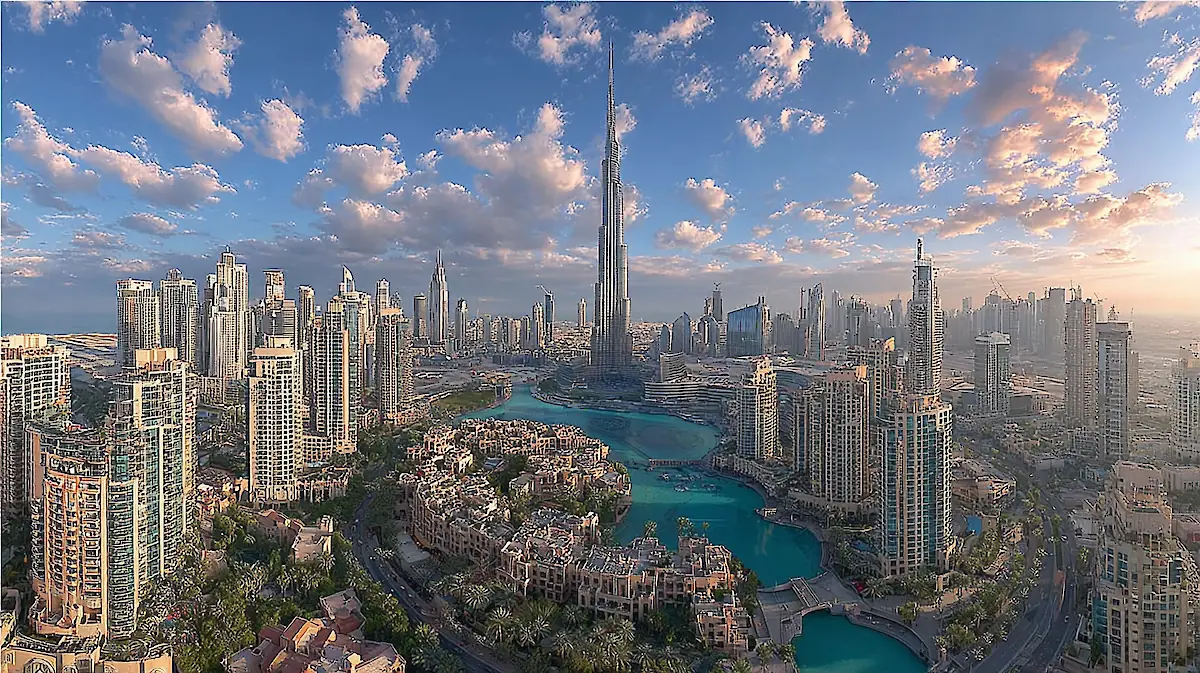
How to avoid queues, financial traps, and get the most out of a city where anything is possible. Dubai is an amusement park of a city where the usual laws of physics and economics seem to work differently. Every week, a new world record is set here; artificial islands rise from the sea, and you can ski in the middle of the desert. It’s no surprise that millions of tourists (17.15 million in 2023 and already 18.72 million in 2024) fly here in search of a miracle. But behind the dazzling facade lie nuances whose ignorance can turn a dream vacation into a series of unjustified expenses and disappointments. This guide is your personal navigator through Dubai. We’ve compiled not just tips but the experience of thousands of tourists who have stepped on the same “rakes”: from unfavorable currency exchange to overpaying for transportation. By following these simple steps, you can save up to 30–40% of your budget, not by giving up pleasures, but by smartly planning your finances, logistics, and leisure activities. Let’s discover the real Dubai-comfortable, affordable, and incredibly exciting.
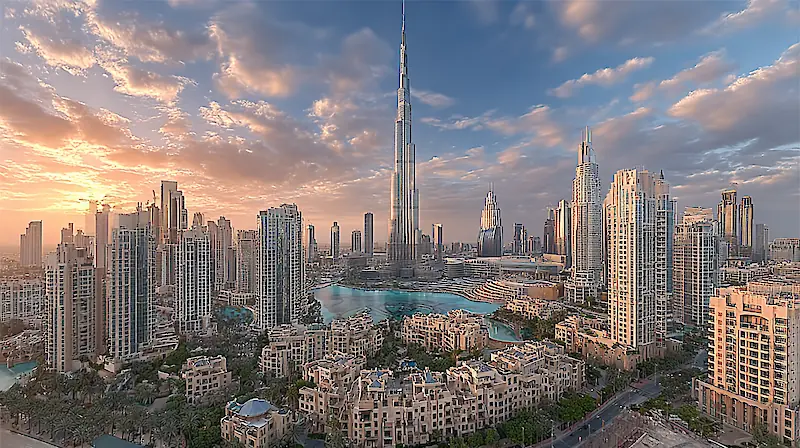
Financial traps: How not to overpay in Dubai
Where is it more profitable to exchange currency and withdraw cash?
The main financial rule for tourists in Dubai: never exchange your entire amount at the airport. The exchange rate there is always 3–5% less favorable than in the city. When exchanging $500, you could lose $15–25—enough to cover a decent lunch. The most advantageous strategy is to exchange a small amount for immediate needs and then exchange the bulk of your money once you’re in the city. Look for chain exchange offices, such as Al Ansari, in any major shopping mall, they offer one of the best exchange rates. An alternative option is to withdraw cash from an ATM. Choose ADCB or HSBC banks, as they do not charge their own commission on foreign cards. You will definitely need cash dirhams to pay for taxis, make purchases at traditional markets (souks), and dine at small, authentic cafés.
What is DCC and why you should always choose dirhams (AED) at the terminal
When paying by card in a store or restaurant, you may encounter the option of Dynamic Currency Conversion (DCC). The terminal will offer you the chance to pay for your purchase in your home currency (rubles, euros, dollars), displaying the final amount. This seems very convenient-the brain appreciates a familiar currency and a clear amount. However, this financial trap is built precisely on that psychological comfort.
Critical mistake: agreeing to pay in your home currency: See an amount in rubles or dollars on the terminal? Always select 'No' or 'Pay in AED.' This simple action will save you 3–5% on every purchase. The conversion should be handled by your bank, not the local terminal.
By agreeing to DCC, you accept an exchange rate set not by your bank but by the terminal operator, which is always highly unfavorable. Therefore, remember a simple rule: always choose to pay in the local currency-UAE dirhams (AED).
What to do with leftover dirhams and the balance on your Nol card?
Your trip is coming to an end, and you still have cash dirhams and money left on your Nol transport card? Here's how to manage these leftovers wisely before you depart. The balance on your Nol card can be refunded at ticket counters at major metro stations or directly at the airport. Additionally, the funds on the card remain valid for 5 years, so you can keep them for your next trip. It’s most advantageous to exchange any remaining cash dirhams back into your home currency here in Dubai, before going through passport control. The exchange rate for dirhams outside the UAE will be significantly worse.
A city on the move: How to get around Dubai affordably and stress-free
The Nol card - your key to the city, if you know the rules
The Nol card is your all-in-one pass for the metro, buses, trams, and even parking payments. But to make it work for you rather than against you, you need to know one key rule: "Tap in when you enter - tap out when you exit."
The golden rule of Nol: check-in and check-out: The system always charges the maximum fare for the journey (about 7.5 AED) and refunds the difference only after you tap your card upon exiting. Forgot to check out – the metro gifted you the cost of the longest possible trip.
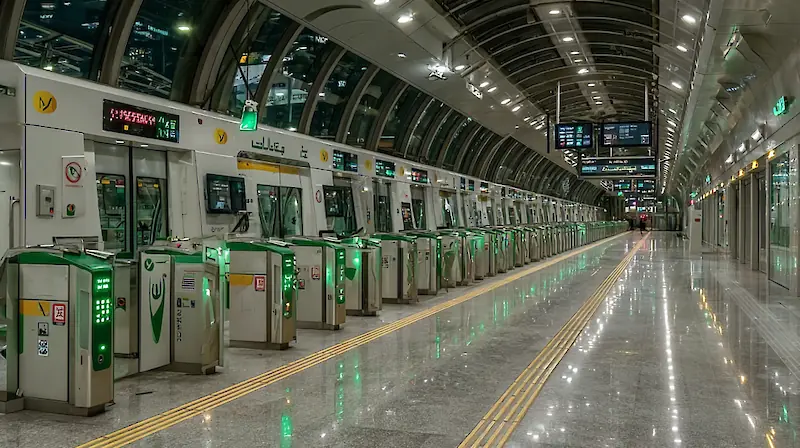
Failure to comply with this rule is the most common mistake that leads to overcharging. Also, keep in mind that traveling with an insufficient balance (the minimum balance required for entry is 7.5 AED) or using a regular card in a Gold Class carriage incurs a fine of 200 AED. As for the “gold” carriages, their use is justified only during peak hours (7:30–9:30 and 17:00–19:30); at other times, when regular carriages are half-empty, using them amounts to paying twice as much for slightly softer seats and a sense of exclusivity.
Metro, Taxi, or Uber: which is best for your trip?
The choice of transportation in Dubai depends on three factors: distance, time, and the number of people.
- For one or two people: For medium- and long-distance travel, the metro offers the best balance of price and travel time. For example, a trip from Dubai Marina to Dubai Mall costs just 7.5 AED.
- For a group of three to four people: An official city taxi (RTA) becomes more cost-effective. The same trip from Dubai Marina to Dubai Mall will cost 50–65 AED, which is comparable to the cost of three to four metro tickets, but significantly faster and more comfortable.
- For short trips or convenience: Ride-sharing services (Uber/Careem) are convenient for booking and cashless payment, but they are usually slightly more expensive than RTA taxis.
Car rental: why the daily rate is just the tip of the iceberg
Renting a car offers freedom of movement, but it often comes with unexpected costs. The daily rate is just the tip of the iceberg.
Attention, renters: hidden costs: The daily rate is only the beginning. Add to it Salik toll roads (4 AED per passage under the toll gate), parking (from 2 AED/hour), and very high speeding fines (from 600 AED). The final cost may come as an unpleasant surprise.
Pay special attention to parking. The most convenient way to pay is via SMS, but it’s important to follow the correct format.
Checklist for paying for parking via SMS:
Key detail: To pay for parking via SMS, you must have a local SIM card (du or Etisalat) with a positive balance. This method will not work with a foreign SIM card! Next, follow these instructions:
- Find the parking zone code on the sign (e.g., 365F).
- Send an SMS to number 7275 (PARK).
- Message text: `[License plate number] [space] [Zone code] [space] [Number of hours]`. Example: `A 12345 365F 2`.
- Wait for an SMS confirmation.
How to avoid missing your flight when driving to the airport
Traffic jams in Dubai are no myth. Miscalculating your travel time to the airport can cost you both nerves and money. During peak hours (from 7:30 to 9:30 a.m. and from 5:00 to 7:30 p.m. on weekdays), travel time can double. For example, a trip from the Dubai Marina area to DXB Airport typically takes 30-40 minutes under normal conditions, but during peak hours it can take as long as 60–80 minutes. Be sure to add the standard 3 hours for check-in, security checks, and other pre-flight formalities to this travel time.
Culture, connectivity, and safety: Important details for comfort
How to stay connected without exorbitant roaming charges
Using roaming with your home operator in Dubai virtually guarantees a huge bill upon your return. It’s much more cost-effective to purchase a local tourist SIM card (from operators such as du or Etisalat) or use an eSIM. An important detail: voice and video calls via popular messengers like WhatsApp and FaceTime are blocked within the UAE. To stay in touch with home, you’ll need to use certified apps such as BOTIM or GoChat, which require a paid subscription.
Climate, culture, and laws: unwritten rules for a comfortable stay
A comfortable and safe stay in Dubai is built on a few simple rules:
- Drink water and wear a hat: Underestimating the local climate, especially in summer, can be dangerous. Drink at least 3–4 liters of water per day, always wear a hat, and plan outdoor activities for the morning or evening.
- Outside the beach and pool, cover your shoulders and knees: Dubai is a modern metropolis, but it operates according to Muslim traditions. Show respect: Avoid overly revealing clothing in public places (malls, the metro, the old city).
- Alcohol-only available at “licensed outlets”: Remember: in Dubai, alcohol is legally sold and consumed only in establishments with a special license (mainly bars and restaurants, often located in hotels). You cannot buy alcohol in a regular supermarket as you can in Europe. Most importantly, appearing in public even slightly intoxicated is a serious offense that could lead to significant trouble.
- Rules of conduct during Ramadan: If your trip coincides with the holy month of Ramadan, out of respect for those who are fasting, refrain from eating, drinking, or smoking in public places during daylight hours.
Food, shopping, and entertainment: Where real savings lie
Food in Dubai: from street food for 25 dirhams to business lunches
Eating in Dubai does not mean breaking the bank at mall restaurants. The real gastronomic discoveries, and shockingly low prices, are hidden in small, unassuming establishments labeled “Cafeteria” in the Deira and Bur Dubai areas. Don’t be put off by the simple interiors-this is where the most authentic and delicious street food is prepared: Indian, Pakistani, and Lebanese cuisine. Forget the tourist menus: for 25–35 AED, you can enjoy a huge plate of steaming chicken biryani, a freshly baked flatbread straight from the oven, and a glass of freshly squeezed mango juice. This is the true taste of Dubai. Here are two more life hacks: look for business lunches at restaurants on weekdays (priced between 30–60 AED) and use the free drinking fountains operated by Dubai Can to refill your reusable bottle.
Tickets and lines: plan your leisure, not your wait
Buying tickets to major attractions (Burj Khalifa, Museum of the Future) on-site is almost a guaranteed way to pay more and spend a significant part of your day in line. So the main life hack here is simple: buy all tickets online in advance. Not only are they 15–20% cheaper, but they also ensure you gain entry at your chosen time, as tickets for the most popular slots often sell out several days in advance.
Free Dubai: top 5 experiences that don’t cost a dirham
Dubai knows how to impress without charging a fee. The city offers plenty of free activities that can provide unforgettable experiences:
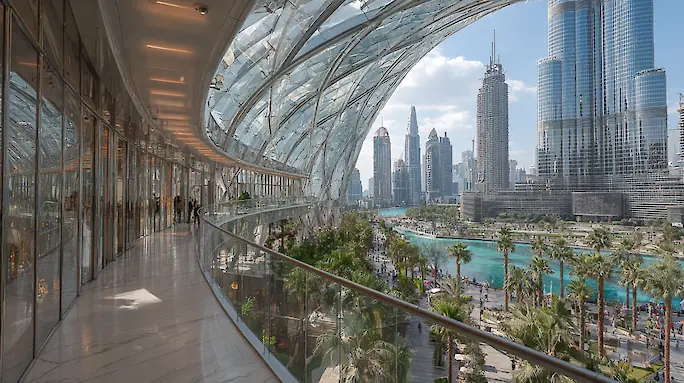
- Dubai fountain show: A spectacular display of water, light, and music at the base of Burj Khalifa. The best view is from the promenade by Dubai Mall.
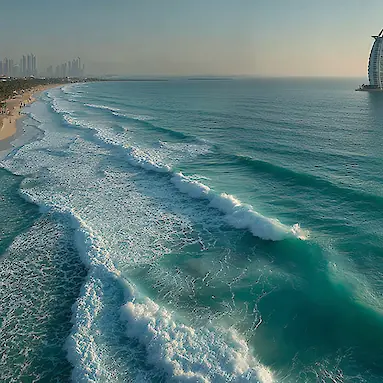
- Public beaches: Relax, sunbathe, and take photos with the sail-shaped hotel in the background at JBR Beach or Kite Beach.
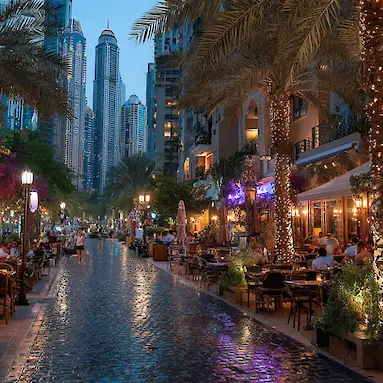
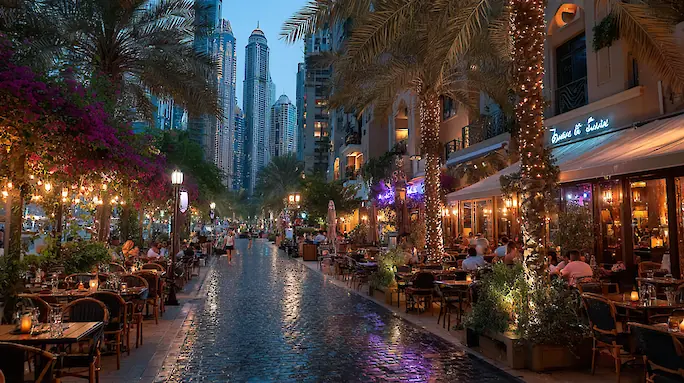
- Walking promenades: Enjoy views of skyscrapers in Dubai Marina, soak up the atmosphere of the old town in the Al Seef area, or stroll along the JBR Walk promenade.
- Alserkal Avenue Art District: Visit contemporary art galleries and discover the creative side of Dubai.
- Ras Al Khor Wildlife Sanctuary: A unique opportunity to see thousands of pink flamingos in their natural habitat right within the city limits.
Smart shopping and tax free refunds
To ensure that shopping in Dubai brings you joy rather than disappointment, approach it strategically. For past-season brand-name items with huge discounts (50–90%), head to the Dubai Outlet Mall. For gold, spices, and authentic souvenirs, visit the souks in the Deira area, where bargaining is a must.
Don’t forget about the option to get a VAT refund (Tax Free) on your purchases. This allows you to reclaim around 8–12% of the amount spent.
Tax free refund checklist:
- Make sure the purchase amount in a single store is at least 250 AED.
- Present your passport at the checkout and ask for a Tax Free form to be issued (the operator is Planet).
- Keep the goods in their original, unopened packaging until departure.
- At the airport, before checking in your luggage and passing through passport control, find a Planet kiosk and have your receipts validated.
Travel without mistakes: Your personal access code to Dubai
As you can see, the notion of “expensive” Dubai is largely a myth that can easily be dispelled with knowledge and proper planning. Most mistakes that cause tourists to waste money and time can be avoided by understanding the simple rules of the game in this city. Remember the main secret: smart savings in Dubai are not about giving up pleasures, but about unlocking even greater experiences. The dirhams you save on a reliable taxi or a favorable currency exchange are your ticket to another adventure: your dinner at an authentic café in the old town, that unplanned souvenir from the market.
Now you hold all the cards. Set off on your journey, put this knowledge to use, and discover your very own Dubai, not just dazzling and luxurious, but also surprisingly friendly, affordable, and comfortable-a city that will undoubtedly exceed your expectations.















Comments