
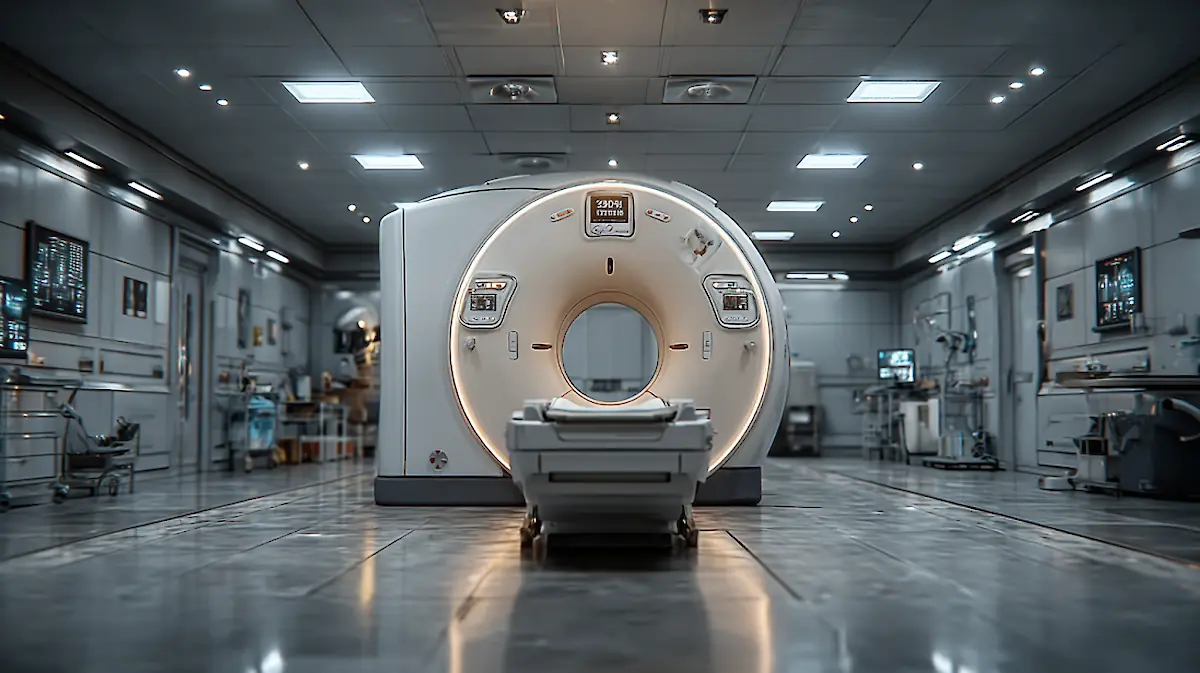
Medical tourism in Dubai is rarely a spontaneous decision. People don’t come here on a whim. Most arrive after comparing options - Europe, Turkey, Israel, sometimes South Korea - and eventually reaching a practical conclusion: when it comes to speed, service, and control over the process, Dubai often comes out ahead.
People don’t choose treatment here because it’s cheaper at any cost. The logic is different. In one place, it’s possible to complete a complex check-up, see a doctor with an internationally recognized license, get a second opinion, and stay in a hotel rather than spending days in clinic corridors. Dubai has long integrated medicine into its tourism infrastructure - pragmatically, without unnecessary spectacle.
Why Dubai instead of traditional medical destinations in Europe
European medicine remains strong in terms of clinical schools and protocols. That isn’t disputed. The issue lies elsewhere, in how the system works for a patient who doesn’t live inside it for years. Waiting lists, fragmented specialists, lab tests in one facility, imaging in another, consultations stretched over weeks. Even in the private sector, much still operates by inertia inherited from public healthcare models.
Dubai works differently. Patients almost always arrive for a limited period, and clinics are built around that reality. Time is treated as a concrete resource and taken into account when planning diagnostics. A check-up is structured like a project: there is a starting point, a defined route, and a result.
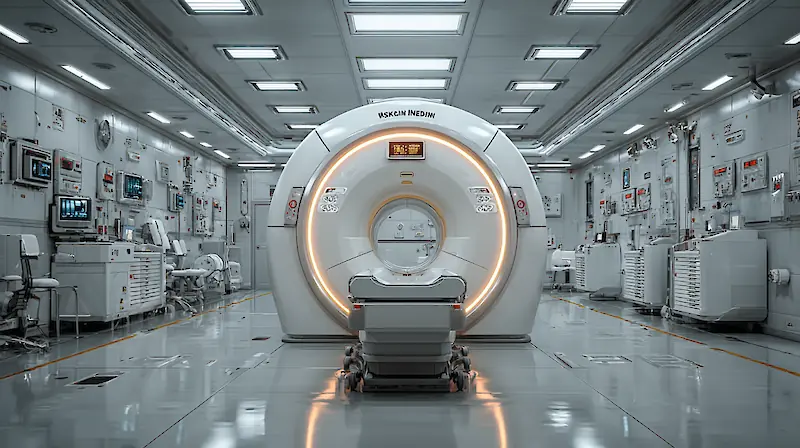
Most private medical centers operate on a “one-stop” principle. Blood tests, MRI, CT scans, functional diagnostics, and specialist consultations are either located within the same facility or arranged in a pre-coordinated sequence without gaps. If it becomes clear during the process that another specialist is needed, they are brought in quickly sometimes the same day. For diagnostic programs, this is critical: the picture forms immediately, not in fragments.
There is also a less obvious factor - centralized responsibility. In Europe, patients often find themselves alone within the system: one doctor does their part, then comes another clinic, another referral, another waiting cycle. In Dubai, responsibility is more often consolidated. The clinic doesn’t simply run tests; it follows the patient through to the logical end of the stage, with conclusions and recommendations that can actually be used afterward.
A separate issue is the attitude toward errors. Dubai has an extremely low tolerance for medical negligence. Licensing, professional liability insurance, and regular audits are taken very seriously. The market is small, reputations travel fast, and the legal consequences for a physician or a clinic can be severe. This enforces discipline more effectively than any claims about quality.
Who treats patients and why it matters
Dubai’s private medical sector is largely built around international specialists. Many physicians trained and practiced in the UK, Germany, France, Canada, or Australia. This isn’t just about diplomas, but about real clinical experience within systems that maintain high standards of oversight.
Licensing through the Dubai Health Authority (DHA) is a multi-stage process. Experience, specialization, and professional history are verified. Formal education alone isn’t enough. Doctors who don’t meet the criteria simply don’t receive a license to practice.
This is noticeable during consultations. Communication is calm, without pressure or attempts to sell services. Appointments aren’t rushed, but they aren’t stretched out to create a sense of importance either. The discussion stays practical: what is being checked, why it matters, what the risks are, and what comes next.
For medical tourists, coordination is another key factor. In many clinics, physicians work alongside a patient coordinator from the outset. This person gathers results, manages timing, organizes additional consultations, and explains how everything fits together. As a result, patients aren’t left navigating between offices or trying to piece together disconnected reports on their own.
Check-up in Dubai: How it works in practice

Check-ups are the core product of medical tourism in Dubai. They’re used by both visitors and residents who are accustomed to reviewing their health comprehensively once a year.
Basic programs typically include:
-
extended blood tests and hormonal panels
-
ultrasound of internal organs
-
ECG, sometimes with stress testing
-
consultation with a general physician
Extended packages may add:
-
MRI or CT scans (by indication or included in the package)
-
cardiology assessments with echocardiography
-
gastroscopy / colonoscopy (often under sedation)
-
tumor markers
-
consultations with specialized physicians
Timelines range from one to three days, depending on scope. Results are either provided on-site or delivered digitally, accompanied by detailed physician commentary.
It’s important to understand that a check-up in Dubai is not a formality. If abnormalities are found, a clear action plan is offered immediately not a vague suggestion to “monitor it for another year.”
Key treatment areas that draw patients to Dubai
Cardiology and vascular medicine
Advanced diagnostics, catheterization, minimally invasive procedures. Many patients come for second opinions or diagnostic clarification.
Orthopedics and sports medicine
Injuries, joint issues, post-surgical rehabilitation. A significant number of patients are active athletes or recreational sports enthusiasts.
Oncology (diagnostics and care planning)
An important nuance: Dubai is often chosen for diagnosis, staging, and treatment planning. Long-term therapy may continue elsewhere, but the starting point is frequently here.
Reproductive medicine
IVF, egg freezing, hormonal correction. Regulations are more flexible than in many countries across the region.
Aesthetic medicine and plastic surgery
One of Dubai’s strongest areas. The reason is simple: high demand and intense competition. There are very few “average” surgeons operating in this space.
Where patients receive treatment

Among the most well-known private medical institutions are:
-
Cleveland Clinic Abu Dhabi — a large international hospital, often chosen for complex cases
-
Mediclinic Middle East — convenient for check-ups and planned care
-
American Hospital Dubai — strong diagnostic departments
-
King’s College Hospital Dubai — British clinical standards and protocols
Alongside these are smaller, highly specialized clinics focusing on specific areas,from hormone therapy to anti-aging medicine.
Costs and budget planning
Dubai isn’t a low-cost destination, but it’s not disproportionately expensive when compared with private healthcare in Western Europe or the US.
Approximate ranges:
-
basic check-up: USD 600–900
-
extended check-up: USD 1,500–3,500
-
MRI (single region): USD 400–700
-
specialist consultation: USD 150–300
Accommodation and flights are additional. Many clinics assist with logistics, from transfers to hotel selection nearby.
Practical points worth knowing in advance
Language. English is sufficient. Russian-speaking coordinators are available in some clinics, but not everywhere.
Insurance. Travel insurance rarely covers planned check-ups. Payment is usually out of pocket.
Documents. Bringing previous test results and imaging can save time and money.
Timing. Allowing 4–6 days is optimal, even if the check-up itself takes less.
Who medical tourism in Dubai suits and who it doesn’t
It suits those who value control, speed, and clear communication. People who don’t want to decipher an unfamiliar healthcare system on the ground and are willing to pay for a well-structured process.
It’s less suitable for those seeking the lowest possible price or willing to wait months to save money.
A conclusion without embellishment
Dubai doesn’t sell medicine as a miracle. It sells manageability. Timelines are clear, responsibilities are defined, and next steps are spelled out. In medical tourism, that often matters more than famous names or centuries-old traditions.
If the goal is not blind treatment but a fast, adult understanding of one’s health, Dubai meets that need.














Comments