
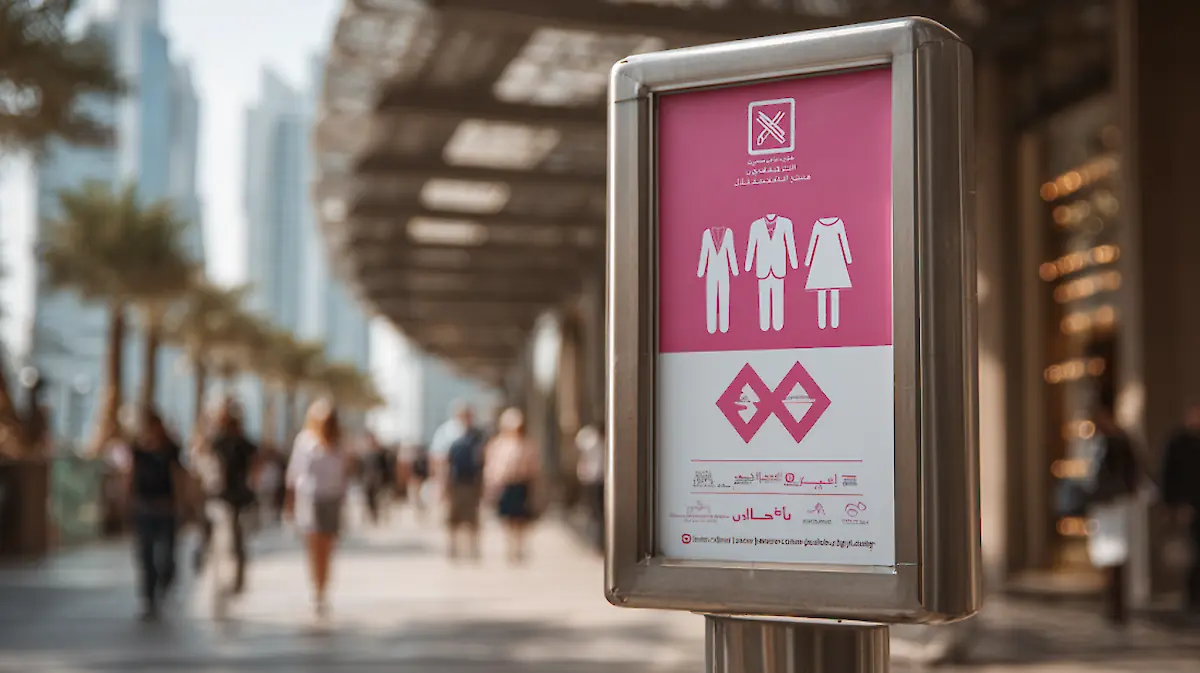
Dubai is a city where the future seems to have already arrived. Yet behind the gleam of futuristic skyscrapers and the luxury of its hotels lies perhaps its greatest asset: an almost legendary level of safety. And this is not just a perception: according to the authoritative Numbeo ranking (as of early 2023), Dubai ranks among the top five safest cities in the world, and the tourist influx that exceeded 17 million visitors in 2023 speaks volumes about its appeal. However, this near-perfect safety comes with a downside that every tourist should be aware of. Comfort and protection here are underpinned by strict rules based on local traditions and laws. The lower the risk of encountering a robber on the street, the greater your personal responsibility to respect these rules. This guide is your reliable navigator through the world of Dubai’s laws and cultural norms. We’ll break down every nuance, from which medications you can pack in your first-aid kit to how to behave on social media so that your trip leaves you with nothing but brilliant memories.
Planning a safe trip: A practical guide
Thorough preparation is the key to a peaceful and comfortable vacation. This section contains all the essential information you’ll need even before your plane lands in Dubai.
Always check the primary source!: The world is changing, and so are the rules. The information in this guide is current as of the date of publication, but we strongly recommend checking key details (visa requirements, customs limits, driving regulations) on the official websites of embassies and UAE government agencies before your trip. It will take 10 minutes, but it will save you nerves and money.
At the border: Visa, customs, and your first-aid kit
The UAE's visa policy is quite lenient. Citizens of Russia, Belarus, Kazakhstan, Ukraine, EU countries, and the United States can enter the country without a pre-arranged visa for up to 90 days. However, it is important to remember that each child must have their own foreign passport valid for at least 6 months from the date of entry. These rules are currently in effect, but visa policies are dynamic. The golden rule before any trip is to check the official website of the UAE embassy in your country for the latest updates.
When going through customs, there are clear limits on duty-free imports (per adult over 18 years old):
- Alcohol: up to 4 liters.
- Cigarettes: up to 400 pieces.
- Cash: amounts exceeding 60,000 AED (or the equivalent) must be declared.
Pay special attention to your personal first-aid kit. Many medications that are freely available in other countries (such as certain painkillers containing codeine or antidepressants) are considered controlled substances in the UAE. To avoid serious problems, proceed step by step: 1. Check the active ingredients in your medications. 2. Compare them with the official list of controlled substances in the UAE. 3. If the medication is on the list, obtain an online import permit in advance through the UAE Ministry of Health and Prevention (MoHAP) website, attaching a prescription from your doctor.
Importing medications: double-check!: Before every trip, be sure to compare the contents of your first-aid kit with the list of controlled substances on the official website of the UAE Ministry of Health and Prevention (MoHAP). Ignorance of the law does not exempt you from liability, which can be very severe.

Finance and transportation: how to get around the city smartly
Navigating money and transportation in Dubai is easier than it seems. Here are the key points:
- Currency and exchange rate: The official currency is the dirham (AED). The exchange rate is fixed against the US dollar (1 USD ≈ 3.67 AED), making transactions predictable.
- Saving with Tax Free: When making purchases of at least 250 AED in a single receipt, don’t forget to claim Tax Free. You can reclaim 5% VAT at the airport through the Planet operator.
- Tipping and bargaining: In restaurants, it is customary to leave a tip of 10–15% (it is often already included in the bill—check). However, on traditional souks, bargaining is not only acceptable but also expected—it’s part of the culture! In malls, prices are, of course, fixed.
For getting around the city, the modern and safe metro is ideal. To pay for your ride, purchase a rechargeable Nol Silver card (costing 25 AED). Taxis operate strictly by meter, and apps like Uber and Careem are also popular. If you plan to rent a car, Russian citizens will need an International Driving Permit (IDP), while tourists from EU and U.S. countries can use their national driver’s licenses. Be sure to check the current requirements with your rental company. Parking in the city is paid, and it can be conveniently paid via parking meters or by SMS.

Health and emergency services
Medical services in Dubai are of the highest standard, but they are very expensive for tourists. Remember: medical insurance for a trip to Dubai is just as important as your passport. The cost of treatment here is astronomical, and a single visit to the doctor without insurance can cost more than your plane tickets. To protect yourself from the hot climate, always drink plenty of water, wear a hat, and use sunscreen with SPF 50+. On the beaches, pay attention to the lifeguard flags: a red flag means swimming is prohibited.
Unified emergency service numbers: Remember these numbers: 999 – Police, 998 – Ambulance, 997 – Fire Department. They are free and valid throughout the country.
Dealing with the police: what to do in an unexpected situation
Dubai’s police are highly professional and courteous in their interactions. If a law enforcement officer approaches you, stay calm, behave politely, and be prepared to present your documents. It is recommended to always carry a copy or a clear photo of your passport and visa on your phone. In the event of detention, you have the right to make one phone call and to notify your country’s consulate.
Rules for living in Dubai: How to behave for a perfect vacation
Respect for local culture and laws is the key to a comfortable and safe stay in the emirate.
Appearance and behavior in public
Dubai does not have strict legal requirements for tourists’ attire, but modesty in appearance is an important sign of respect for the local culture. Follow a simple rule: in public places such as shopping malls, government offices, or the city’s older districts, try to keep your shoulders and knees covered.
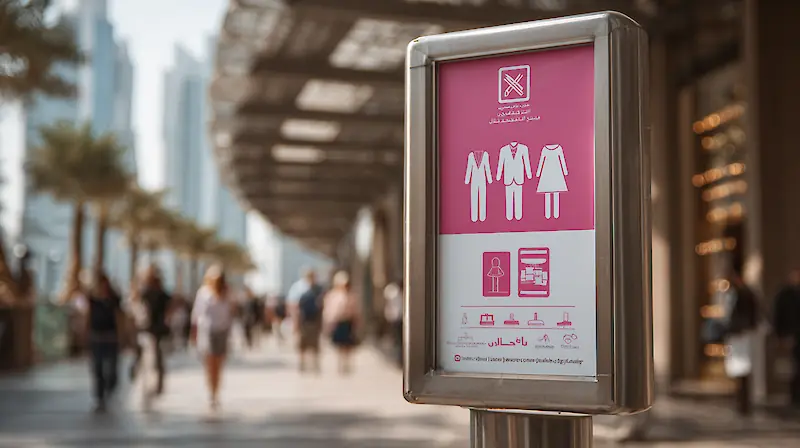
When it comes to displaying affection in public, a simple rule applies: what is normal for you may be unacceptable to the local culture. Holding hands is perfectly fine. However, passionate hugs and kisses are best reserved for your hotel room. This is not just a matter of etiquette, you can face real fines for excessively displaying your emotions.
Avoid loud conversations, arguments, and aggressive behavior. Exercise particular caution when taking photos or videos. It is strictly forbidden to photograph people, especially local women, without their prior and explicit consent. Photographing government buildings, military facilities, and palaces is also prohibited. Publishing such images online may result in hefty fines.
Alcohol and other substances: a zero-tolerance policy
The rules regarding alcohol consumption in Dubai are a classic case of “you can, but be careful.” Tourists over the age of 21 can purchase alcohol at specialized stores by presenting a passport. However, alcohol may only be consumed in licensed venues: bars, restaurants, and hotel clubs, as well as in your hotel room. Being visibly intoxicated or drinking alcohol in public places (on streets, beaches, or in parks) is strictly prohibited.
Driving under the influence is absolutely prohibited: The UAE has a zero-tolerance policy for alcohol while driving (0.0 blood alcohol content). Violations can result in imprisonment, substantial fines, and deportation without the right to appeal.
When it comes to drugs, the UAE’s legislation is among the strictest in the world. There is an absolute ban on the possession, use, and transportation of any narcotic substances. Liability arises even for the detection of trace amounts in blood, luggage, or personal belongings.
Personal relationships and online communication
Recent changes in legislation have significantly simplified life for tourists: cohabitation in the same room for unmarried couples has been decriminalized. Nevertheless, public displays of affection are still not encouraged. It is important to note that same-sex relationships remain illegal in the UAE.
Standards of decency also apply in the digital space. Cybercrime laws strictly penalize the publication on social media or messaging apps of insults, slander, rumors, or photos of other people without their consent. The use of a VPN itself is not prohibited, but using it to access illegal content or engage in unlawful activities is a criminal offense.
The holy month of Ramadan: a special time with special rules
If your trip coincides with the holy month of Ramadan, consider yourself fortunate. This is a chance to see a completely different Dubai. Yes, you will need to observe certain rules during the day, but in return, you will gain a unique opportunity to experience living traditions and feel the incredible atmosphere of evening iftars, when the city comes alive after sunset.
The main rule for tourists during daylight hours is to refrain from eating, drinking (including water), smoking, and chewing gum in all public places.
The golden rules for travelers in Dubai
Safety in Dubai is a two-way street. The city guarantees you comfort and protection, and in return expects only one thing from you: respect for its rules. Believe me, these are not restrictions that will spoil your vacation; rather, they are a roadmap that will make your journey truly smooth and carefree in one of the most amazing cities in the world.
To ensure your trip goes perfectly, simply follow these five "golden rules":
- Always carry a copy of your documents with you. A photo of your passport and visa on your phone is an excellent option.
- Observe the dress code: keep your shoulders and knees covered in public places.
- Refrain from public displays of affection.
- Consume alcohol only in permitted locations and never appear in public while intoxicated.
- Never photograph people without their permission.
Now you know everything you need to get off to a confident start in Dubai. Follow these simple rules, and the city will reveal itself to you at its best—as an incredibly comfortable, welcoming, and safe place. Enjoy its future, respect its past, and your journey will truly be unforgettable.




















Comments