
Planning a move to Dubai or looking for lucrative investments? Our analytical guide to Dubai’s real estate market will help you understand future trends, estimate your budget, and choose the right rental strategy. The rental market in Dubai is like a roller coaster: after the dizzying price surge of recent years, the inevitable question arises, what comes next? The year 2026 promises to be a defining moment. On one hand, the city continues to be fueled by ambitious development projects and thousands of new expats. On the other hand, the global economy is turbulent, and visa policies are changing. So what should those seeking a home here or a profitable investment expect: a lull, a correction, or a new round of price hikes? In this guide, we break down the key trends, take a look at the hottest neighborhoods, and calculate all hidden costs so you can make an informed decision.
Our forecast methodology: How do we see the future?
Any reliable forecast is not a game of chance, it’s based on rigorous analysis. To project the outlook for 2026, we rely on three pillars: data from leading consulting firms (Knight Frank, CBRE), official statistics from Dubai’s Land Department (DLD), and insights from key market players. Our model assumes that the influx of expats will remain high and that the global economy will avoid major disruptions. This guide provides you with a well-calibrated strategic benchmark, but remember: always check current market prices and consult your broker before signing a contract.
2026 market forecast: Key trends and driving factors
Forget the wild price spikes of previous years: in 2026, Dubai’s rental market will shift from a sprint to a marathon. We are not forecasting a crash, but rather stabilized growth, instead of double-digit annual growth rates, you should expect more sustainable figures that slightly outpace inflation. The key drivers will remain the Dubai 2040 Urban Master Plan megaproject and the ongoing influx of talent from around the world. The launch of new residential complexes will help cool landlords’ enthusiasm, though this effect will vary across different segments.
Price segments:
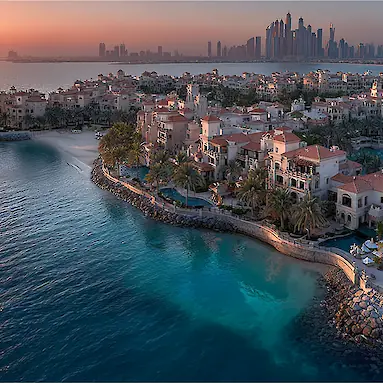
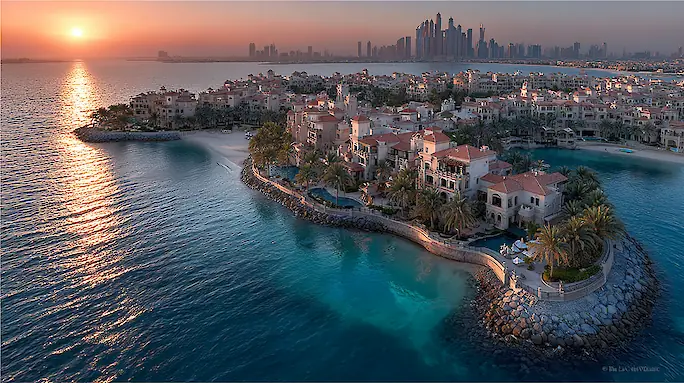
- Luxury segment: Rates for exclusive villas and penthouses on Palm Jumeirah or in Dubai Hills will continue to soar into the stratosphere. Demand for unique properties among ultra-wealthy expats remains inelastic—they are willing to pay a premium for exclusivity.
- Business class: Apartments in business hubs such as Downtown, Business Bay, and Dubai Marina are expected to see steady, predictable growth that won’t eat up your entire salary increase. This is a stable, liquid segment fueled by corporate relocations.
- Affordable housing: In emerging communities such as Jumeirah Village Circle (JVC) or Town Square, the price race will slow down most significantly. The large-scale introduction of new housing will balance demand from the middle class and young families, giving tenants more room to maneuver.
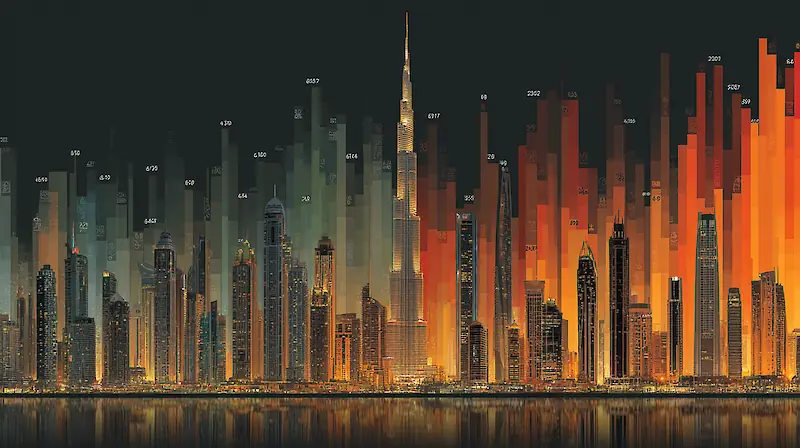
Analysts at Dubai’s Land Department predict that in 2026, family-oriented areas with established infrastructure, such as Dubai Hills Estate, will demonstrate the greatest resilience in growth, where demand consistently exceeds supply.
Where to live in Dubai? A detailed analysis of key districts
We have selected three iconic districts for detailed analysis, representing different lifestyles and budgets. However, Dubai is diverse, and when searching, it’s worth considering other communities as well:
- Palm Jumeirah – an iconic status and direct access to beaches for those who don’t mind the price tag.
- Dubai Hills – premium villas and townhouses in a green oasis for family idyll.
- Business Bay – a business-oriented alternative to Downtown with newer residential stock and canal views.
- Deira/Bur Dubai – for those who appreciate the authentic atmosphere of the old city and maximum affordability.
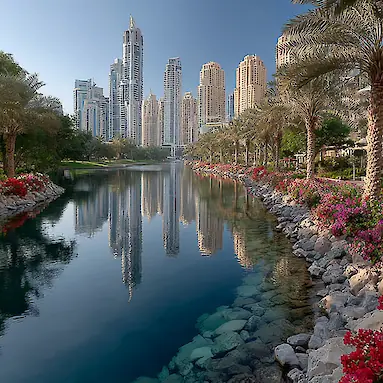
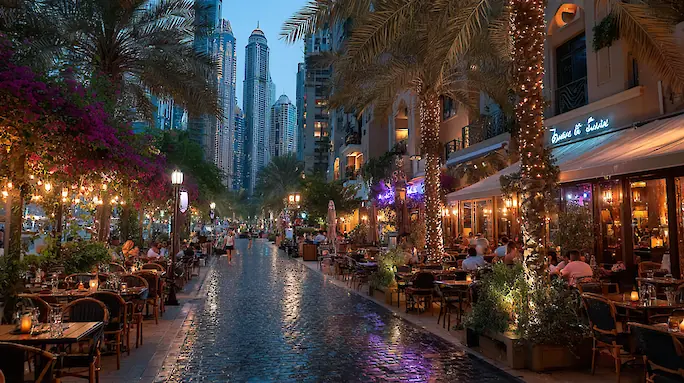
Dubai Marina & JBR: the energy of a megacity by the water
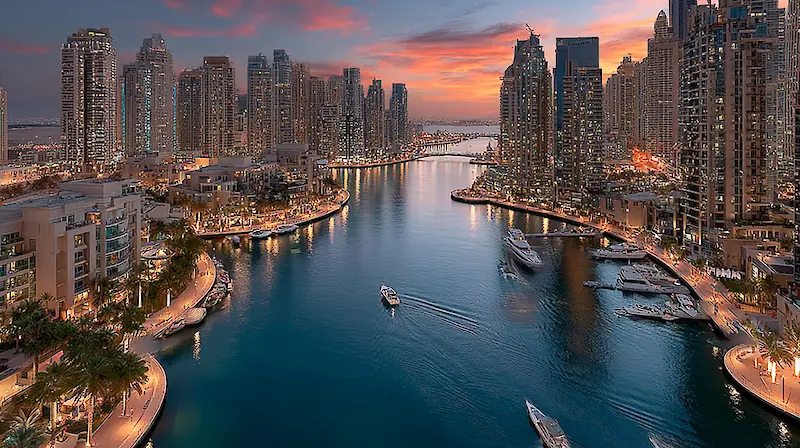
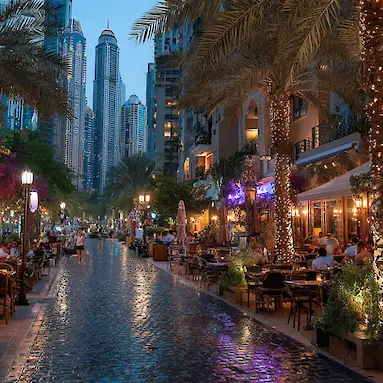
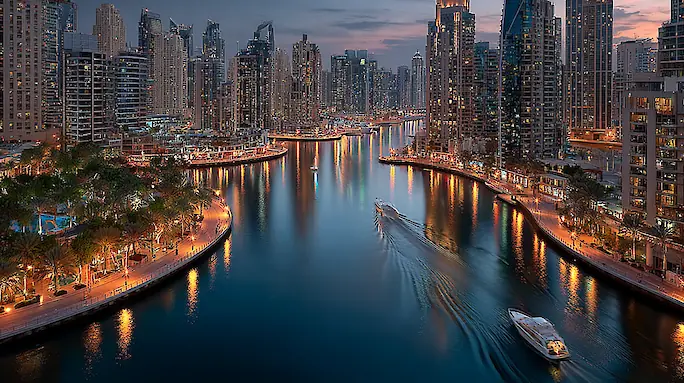
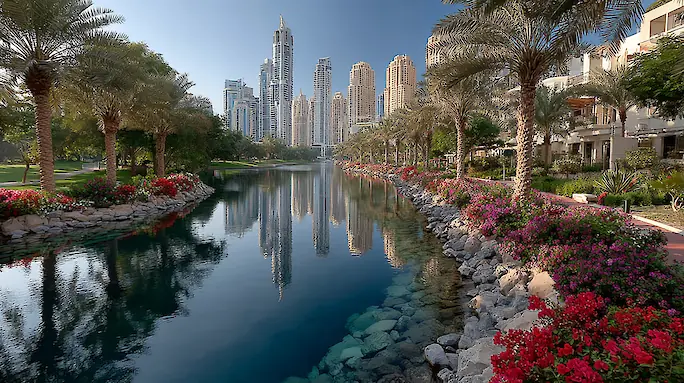
- Atmosphere: Imagine Manhattan deciding to move to the beach. It’s a dense forest of skyscrapers surrounding a canal, with pristine white yachts, an endless string of restaurants along The Walk promenade, and the buzz of a never-ending celebration.
- Who it’s for: Young professionals, couples without children, and anyone who wants to live at the epicenter of activity 24/7 and fall asleep to the lights of the big city.
- Projected price range for 2026: Don’t expect any pricing miracles here: the demand for a “postcard-perfect” lifestyle isn’t going anywhere. Prices for studios and one-bedroom apartments will rise faster than the city average, as there’s always a waiting list for this lifestyle.
- The main trade-off: The price you pay for this never-ending party is traffic congestion on entry and exit routes—enough time to watch an entire TV series—and constant noise that doesn’t die down even at night.
Look for buildings within a 5–10 minute walk from a metro or tram station. During rush hour, this will save you not only time but also a small fortune on taxi fares.
Downtown Dubai: life at the foot of the Burj Khalifa
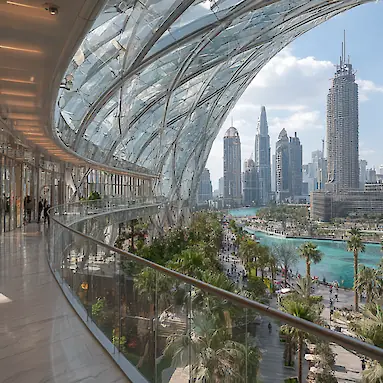
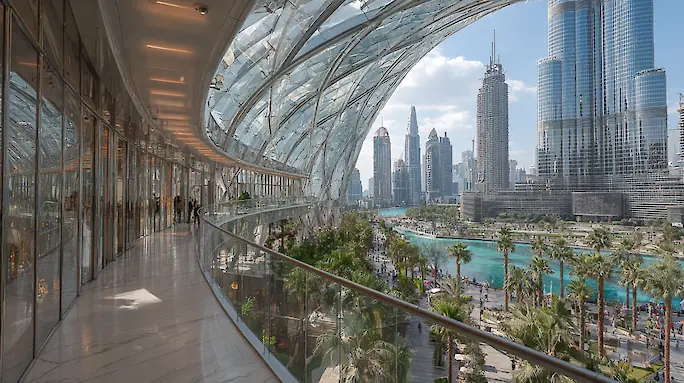
- Atmosphere: This is the VIP box of all Dubai. Living here means greeting the Burj Khalifa every morning, heading to Dubai Mall for shopping as if it were your local store, and watching the fountain show right from your window. Prestige literally hangs in the air here.
- Who it’s for: Those for whom status is more than just a word and who are willing to pay for maximum convenience and the opportunity to be at the center of both business and social life.
- Projected price range for 2026: Prices here will remain among the highest in the city. Rental costs aren’t just a fee for square meters—they’re a membership fee to Dubai’s most exclusive club.
- Hidden costs: The “location tax” isn’t baked only into the rent. Be prepared for the fact that a cup of coffee, a restaurant dinner, and even dry cleaning here will cost more than anywhere else.
A parking space here isn’t a luxury—it’s a necessity. Without one, you risk spending your evenings searching for an available spot instead of enjoying the views. Traffic on weekends and in the evenings can be downright monstrous.
Jumeirah Village Circle (JVC): an oasis for families and budget-conscious expats
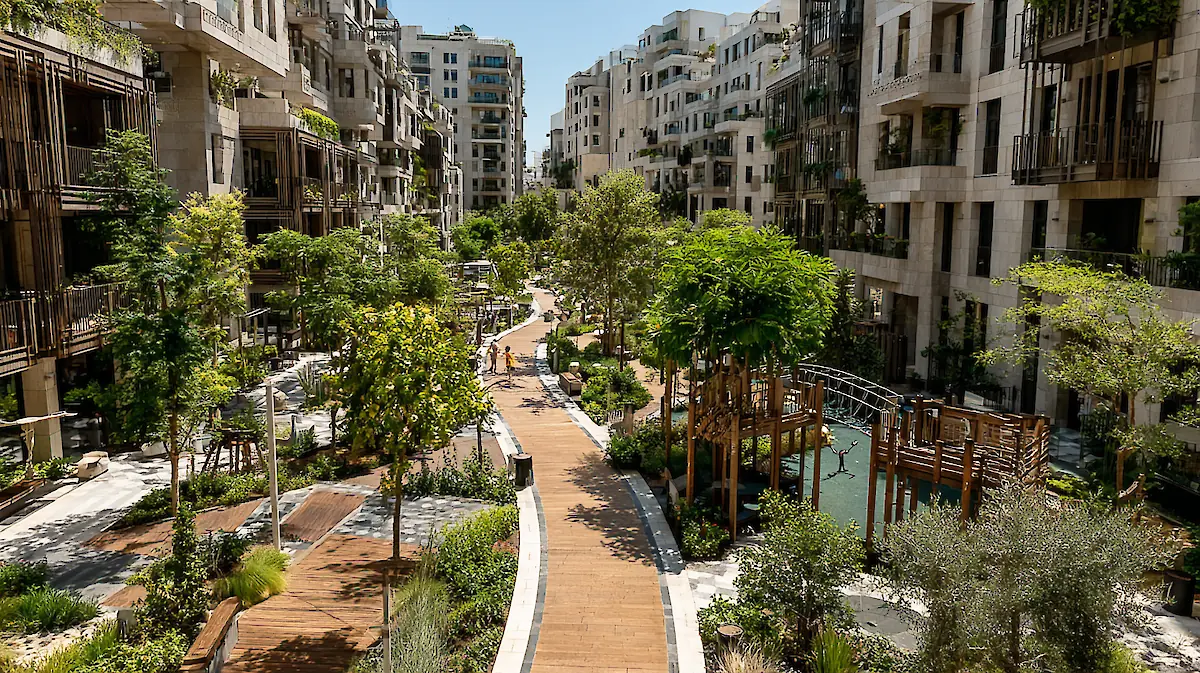
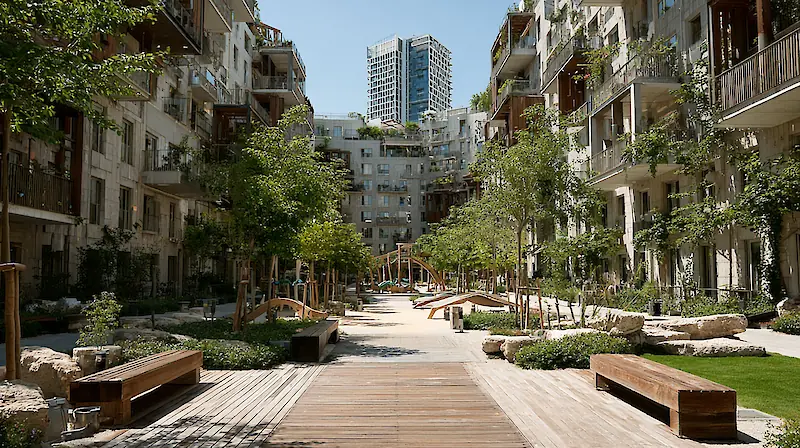
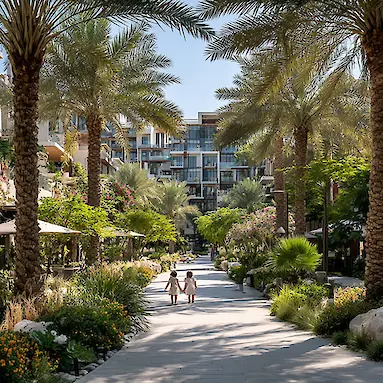
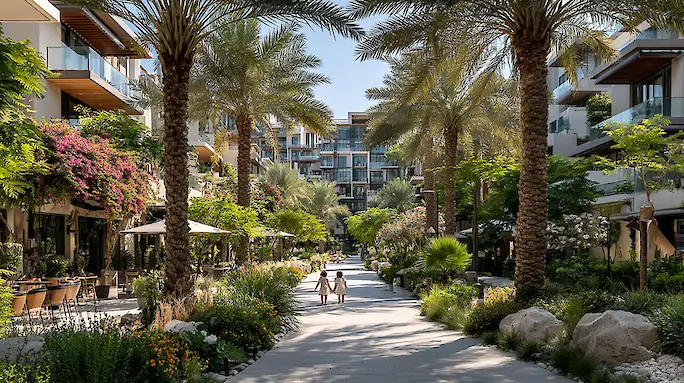
- Atmosphere: A calm, green, and well-planned community where low-rise homes replace skyscrapers, and the sound of children’s laughter in numerous parks replaces the noise of the megacity. This is Dubai in slow motion, focused on comfort.
- Who it suits: Families with children and anyone looking for the best balance of price, space, and quality, willing to trade 15–20 minutes of travel time to the city center.
- Projected price range for 2026: This area will remain the king in the “price-quality” category. You’ll still be able to find spacious studios, apartments, and townhouses here at the most reasonable prices in the city.
- Development prospects: The district is actively under construction. New roads and shopping centers in the future will make life here even more comfortable. But in the short term, this means “growing pains”: construction noise and temporary traffic disruptions.
Apartment or villa? The specifics of choosing in Dubai
Choosing between an apartment and a villa in Dubai is a choice between two different lifestyles. Apartments offer a "light" way of living. You pay for a breathtaking view from the 50th floor and for the peace of mind that someone else takes care of the pool cleaning or lawn mowing, everything is already included. Your world consists of an on-site gym, a concierge who handles deliveries, and the lifesaver "Chiller free" option, which ensures that your air conditioning won't break the bank in summer. The flip side? You live in a "vertical village": you'll have to abide by community rules (forget about grilling on the balcony), deal with potential noise from neighbors, and accept restrictions on your Labrador.
A villa, on the other hand, is your personal fortress. It offers a private garden where children can kick a ball around, a backyard where you can host barbecues with friends without worrying about neighbors, and a sense of space and privacy that you can only dream of in a skyscraper. But this autonomy comes at a price, and not just the rent. Be prepared for hefty water and electricity bills (DEWA), the need to find a gardener, and the fact that you'll almost always have to drive to the nearest coffee shop.
Not just a lifestyle, but also hidden costs: The main question when choosing: are you ready for additional expenses and the hassle of maintaining a villa (garden, pool, DEWA) or do you prefer the predictability and convenience of an 'all-inclusive' apartment format?
Step-by-step guide to renting accommodation in Dubai
The rental process in Dubai is strictly regulated. The key is to know the rules of the game.
Step one: scouting the area
So, you're ready to start your search. Your best friends at this stage will be the Property Finder and Bayut portals—browse them to get a feel for the market pulse. But remember: for a real transaction, you'll need a broker licensed by RERA (Real Estate Regulatory Agency)—this is your shield against fraudsters and a guarantee of a clean deal.
Step two: preparing your "Ammunition" and calculating your budget
Before you fall in love with an apartment, gather a package of documents: copies of your passport, residency visa, and Emirates ID. Now comes the most interesting part—money. Your initial budget isn't just the annual rent. Boldly add the following:
- Annual rent: Most often split into 1, 2, 4, or 12 payments.
- Security deposit: 5% of the annual rent (returned upon departure if everything is in order).
- Agent's commission: A standard 5% of the annual rent.
- Ejari contract registration: Mandatory government registration, about 220 dirhams.
- DEWA utility connection: A refundable deposit plus a connection fee.
Beware of scammers!: Never transfer money before signing an official contract and verifying the landlord's Title Deed. Always demand official receipts and work only with licensed RERA agents.
Step three: signing the contract and finalizing the deal
Have you chosen a property? The negotiation stage begins, where you discuss terms such as price, number of checks, and move-in date. Once you've agreed on everything, you sign the contract, hand over the checks, and receive the coveted keys. The final, yet most important step is registering the contract in the Ejari system. Without this document, you won't be able to connect utilities like water, electricity, or internet, nor can you arrange visas for your family.
Negotiation tip: Landlords become more flexible during the hot summer months (June–August), when demand drops. Offering to pay rent in one or two checks instead of twelve is your main advantage for securing a discount.
Dubai 2026: Conclusions and strategy for tenants
An analysis of the market leads to three key conclusions that will help you develop the right strategy.
- The market will remain tilted in favor of landlords, but their grip will loosen. The rapid growth will give way to stabilization, providing tenants with a bit more breathing room and time to choose.
- The price gap between the city center and the outskirts will widen. Downtown and Palm Jumeirah will continue to see faster price increases than emerging communities like JVC.
- Long-term contracts are your insurance policy. Locking in a price for 2 years (if you can negotiate it) may be the best financial decision, protecting you from future inflation.
Final verdict and recommendations:
- For IT professionals/freelancers: Take a closer look at JLT or Barsha Heights. These areas are bustling with activity, packed with co-working spaces, and conveniently located near the metro.
- For families with children: Your best bet is “green” communities: the premium Arabian Ranches and Dubai Hills, or the more affordable JVC and Town Square, with their parks, schools, and safe living environment.
- For investors (for rental purposes): The most liquid assets will remain studios and one-bedroom apartments in high-traffic areas—Dubai Marina, JLT, and Business Bay. These properties rent out quickly with minimal vacancy periods.
In 2026, Dubai will continue to put tenants’ wallets to the test. But now you have the ultimate weapon: knowledge. You understand where the market is slowing down and where it will keep buzzing; you know the differences between life in a skyscraper and life in a villa; and you’re prepared for the bureaucratic challenges ahead. That means you’re already one step ahead. Happy hunting!








Comments