

Does investing in Dubai real estate seem like a game for millionaires, a closed club accessible only by recommendation? Let’s be honest: the entry threshold is lower than commonly believed, but a beginner’s journey is indeed fraught with questions. Which districts will deliver the best returns? How can you avoid getting bogged down by taxes and fees? And whom can you trust to ensure that your deal doesn’t turn into a headache? If these thoughts sound familiar, you’ve come to the right place. Forget generic overviews. What lies ahead is a clear roadmap: from selecting a district that aligns with your investment goals to the moment those coveted keys are in your hand. We’ll break down every step, risk, and insider tip so that your first investment in Dubai becomes the start of a great success story.
Why Dubai is a strategically sound choice for investors
To make an informed decision, you first need to understand why Dubai continues to attract capital from around the world year after year. But it’s not just about the glitz of skyscrapers. Dubai’s appeal to investors stems from a combination of shrewd calculation and the unwavering vision of its leaders, who have transformed a desert landscape into a global hub with remarkably transparent rules of the game.
A stable economy and government support
Dubai’s economy has long since moved beyond its reliance on oil. Today, it is a diversified hub where tourism, logistics, finance, and technology thrive. The city is constantly pioneering innovations, whether it’s building the tallest structure in the world or constructing a futuristic museum. The level of security is so high that you can leave your phone in a café and return for it an hour later. The focus on technology means that tomorrow, your home will be serviced by a drone rather than a concierge. All of this creates an environment where capital not only feels safe but also at the epicenter of the future.
Fact: Global hub: Dubai consistently ranks among the top 5 cities in the world for the inflow of foreign direct investment, confirming the highest level of trust from the global business community.
Tax advantages and the resident “Golden Visa”
One of Dubai’s key advantages is its favorable tax system. There is no tax on income from renting out real estate, nor is there an annual property ownership tax. This means that all the profit you earn stays with you. Moreover, investing in real estate opens the door to long-term residency. The “Golden Visa” program allows investors and their families to obtain a residence permit for 10 years, granting them the right to live, work, and study in the UAE on a permanent basis.
Path to UAE residency: Purchasing real estate worth AED 2 million (approximately $545,000) opens the possibility of obtaining a 10-year 'Golden Visa'. Important: Program conditions may change, so always check the latest information on official UAE government resources. The data is current as of the date of publication.
High rental yields and appreciation potential
Investing in Dubai real estate generates income from two main sources. First, there are high rental yields (ROI). A steady influx of expats, professionals, and tourists ensures consistently high demand for both long-term and short-term rentals. Second, there is the potential for capital appreciation of the property itself. As the city and its individual districts continue to develop, the value of your apartment or villa can increase significantly over time.
Investor’s map: How to choose the ideal district
Choosing the right location accounts for 50% of your investment’s success. The district should align with your goals: Are you planning to rent out the property to tourists, a young professional couple, or a family with children? We have selected four iconic districts that represent different lifestyles, investment strategies, and price segments to help you make an informed decision.
Dubai Marina & JBR: the pulse of the city by the water
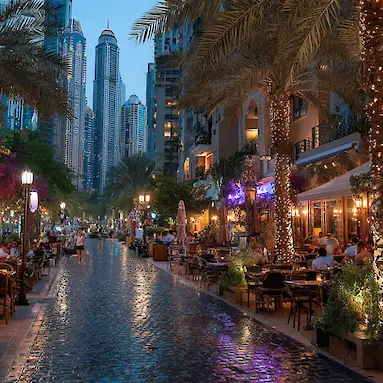
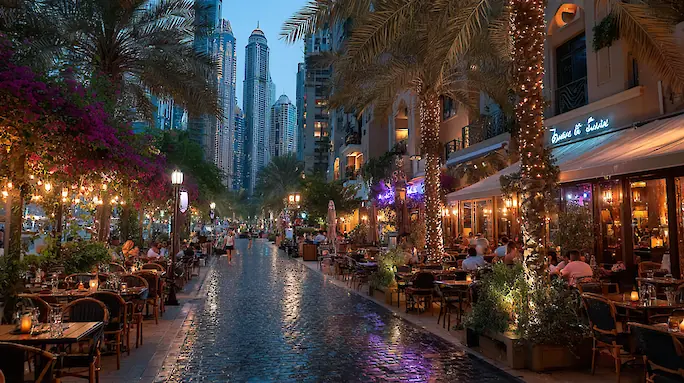
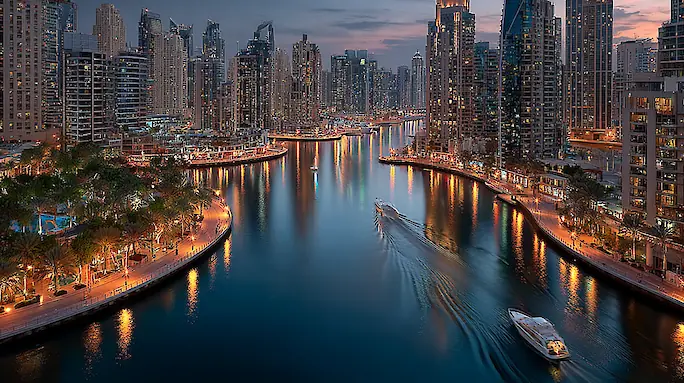
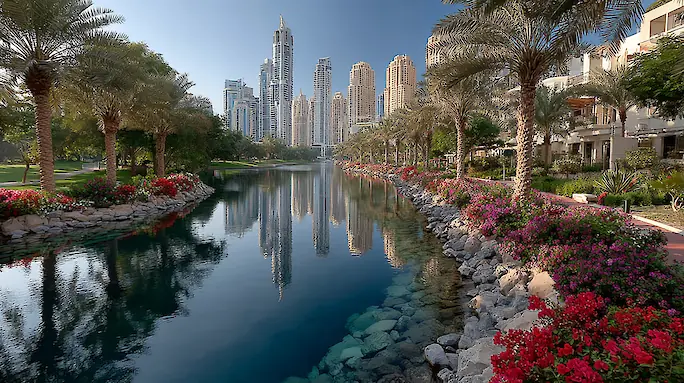
This district is perfect for those who want to fall asleep to the lights of skyscrapers and wake up to the cries of seagulls. In the morning, take a run along the canal lined with yachts; during the day, work from a café overlooking the bay; in the evening, enjoy dinner on the bustling Marina Walk promenade. Life here is vibrant around the clock. Perfect for renting to young expat professionals and tourists who come for energy and Instagram-worthy views. This is liquid, yet bustling and ever-youthful Dubai.
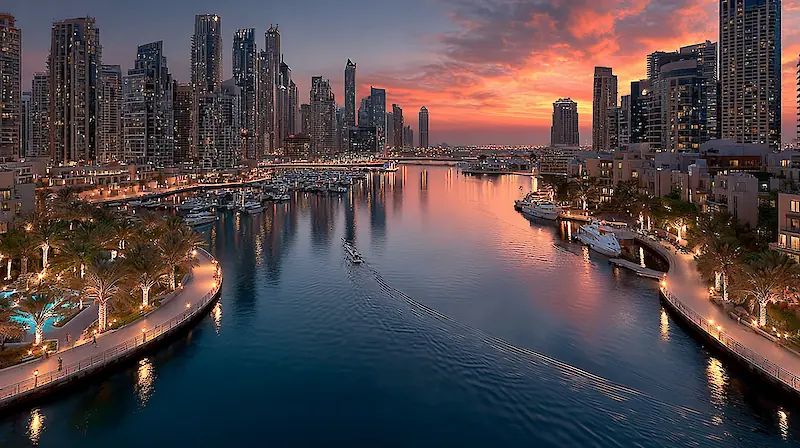
Tip: To feel the pulse of this area and understand whether its vibe suits you, be sure to take an evening stroll along the Marina Walk promenade.
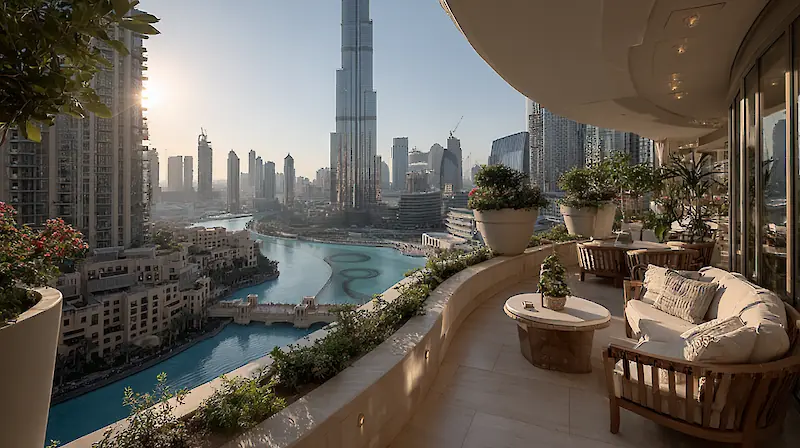
Downtown Dubai: status and the epicenter
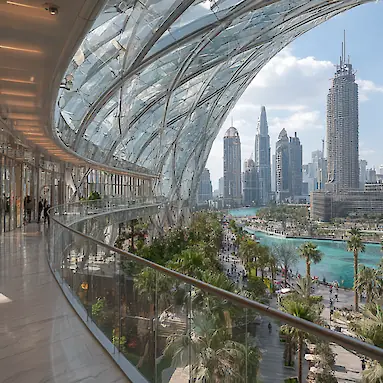
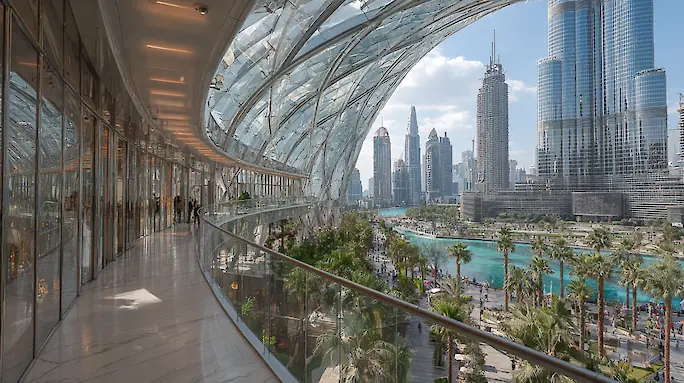
If Dubai is a theater, then Downtown is its main stage. Living here means sipping your morning coffee with a view of the Burj Khalifa and watching the Dubai Fountain show right from your window. It’s an address that speaks for itself. The tenants here are equally distinguished: top executives, businesspeople, and affluent couples for whom prestige and walkability to the Dubai Mall and the business district are more than just words. Investing in Downtown is a bet on timeless classics and the highest level of status.
Palm Jumeirah: exclusive island living
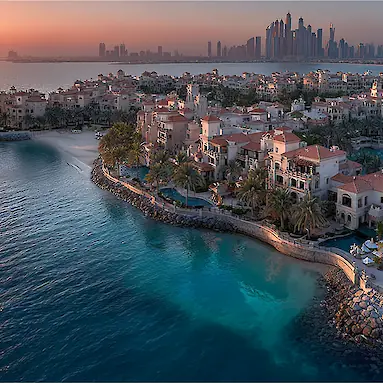
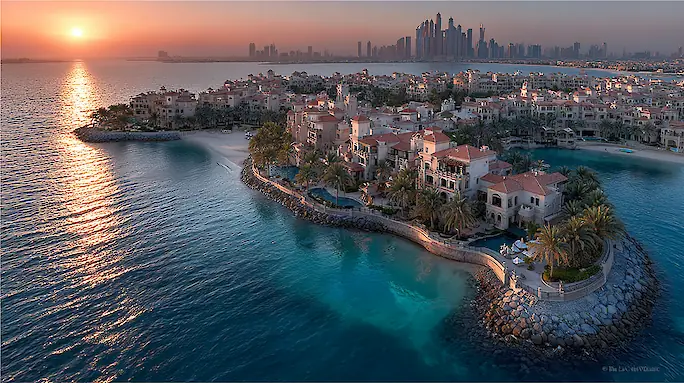
The legendary man-made island shaped like a palm tree is synonymous with exclusivity and a resort-like atmosphere. It’s the choice for those who value privacy and want to live in a perpetual vacation mode. Imagine a villa with direct beach access or an apartment with a terrace offering panoramic views of the Persian Gulf. Tenants here are affluent families and discerning tourists seeking privacy and five-star service away from the hustle and bustle of the city. Investing in “The Palm” is a top-tier game, targeting the luxury segment.
Fact: The length of the coastline added by Palm Jumeirah exceeds 520 kilometers—truly a man-made paradise for beach vacation enthusiasts.
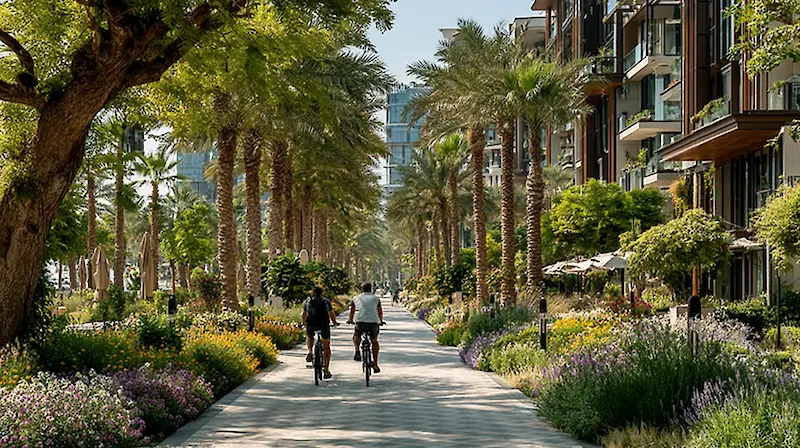
Dubai Hills Estate: a green oasis for families
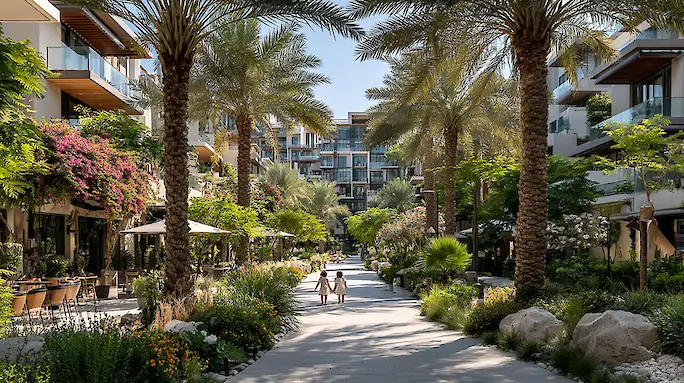
If skyscrapers feel overwhelming and you crave space, greenery, and tranquility, Dubai Hills Estate is your choice. This district is designed as an ideal environment for family living. Instead of the noise of highways, you’ll find rustling leaves and views of a championship golf course. Children ride their bikes along safe paths, and on weekends the whole family enjoys picnics in one of the many parks. It’s a self-contained “city within a city,” complete with its own schools, hospitals, and shopping mall. Investing here is a long-term bet on comfort and steady demand from families who are looking not just for square footage, but for a high-quality living environment.
New construction or resale: Which investment strategy should you choose?
After choosing a district, the next crucial question for investors arises: should you buy a property during the construction phase (off-plan) or opt for a ready-to-move-in property on the secondary market? Each strategy has its own advantages and disadvantages, and the choice depends on your goals, budget, and risk tolerance.
Buying off-plan: investing in the future
Buying off-plan means purchasing a property directly from the developer before construction is completed. What makes off-plan so attractive?
- Price advantage. You buy at today’s prices, and by the time the building is handed over in 2–3 years, the market value may have risen significantly. This offers an opportunity to profit from capital appreciation even before you receive the keys.
- Flexible payment terms. You don’t have to pay the full amount upfront. Developers offer installment plans over several years: you pay 10–20% at the start, with the remaining balance paid in small installments throughout the construction process. This allows you to enter the market with a smaller initial investment.
- Brand-new property. You get a completely new home with modern finishes, up-to-date utilities, and a warranty from the developer.
Risks and how to minimize them: The main risk is delays in project completion. To avoid this, choose only reputable developers with a solid track record of delivered projects. Make sure the project is registered with the Land Department (RERA) and that your funds are transferred to a dedicated escrow account that is supervised by the government.
Check the developer!: Invest only in projects from developers with an impeccable reputation, such as Emaar, DAMAC, Nakheel, and others. Always verify the project's registration with the RERA system and the existence of an escrow account to protect your funds.
Ready-to-move-in properties: a quick start and predictability
Buying in the secondary market means acquiring an already built and registered property from a previous owner. What are the strengths of the secondary market?
- Money works from day one. You can move in immediately or start renting out the property and generating income right after the transaction is completed.
- What you see is what you get. No surprises. You personally inspect the apartment, assess the view from the window, the quality of finishing, and the condition of the building. There is no risk of a delayed construction or discrepancies between the actual property and the attractive images in the brochure.
- Mature infrastructure. The neighborhood is already established; you can immediately see all the neighbors, functioning shops, cafes, and parks.
What to consider: A ready-to-move-in property may require cosmetic or even major renovations. In addition, its price will likely be higher than that of a similar project at the start of sales during the construction phase.
Tip: When inspecting a ready-to-move-in property, pay attention not only to the apartment itself but also to the condition of common areas: the lobby, corridors, swimming pool, and gym. Their appearance directly affects the property's attractiveness to tenants and, consequently, the rental value.
Assembling your dream team: key experts on your journey
Investing in real estate abroad is a team effort. Trying to navigate this path alone, especially for a beginner, is a risky undertaking. A well-chosen team of professionals ensures the security, transparency, and efficiency of the transaction.
Licensed real estate agent: your eyes and ears in Dubai
Forget about middlemen. Your real estate agent is your personal scout in the market. They don’t just show you apartments; they filter out dubious options, know the reputation of every developer, negotiate the price as if they were buying for themselves, and spot problems where you see only a beautiful rendering. The main requirement is a valid license from RERA (the Dubai Real Estate Regulatory Agency). No license—no deal.
Real Estate lawyer: guarantor of a clean transaction
Engaging a lawyer is your insurance policy against unpleasant surprises. Their job is to conduct a thorough legal due diligence of the property, examine the sales contract under a “microscope” for hidden terms and pitfalls, and ensure that your interests as a buyer are 100% protected.
Mortgage broker: your financial navigator
If you plan to use borrowed funds for your purchase, a mortgage broker will serve as your financial navigator through the maze of bank offers. This is especially relevant for non-residents. The broker knows the requirements of local banks, helps you gather the perfect package of documents, and finds you a loan on the most favorable terms, saving you a great deal of time and stress.
The property purchase process: A step-by-step guide
The procedure for purchasing property in Dubai is clearly regulated and transparent. Here are the key steps you and your team will need to take:
- Step 1: Define the budget and financing method. Clearly determine the amount you are willing to invest, taking into account both your own funds and any potential borrowed capital. Mortgages for non-residents are available in Dubai.
- Step 2: Select a real estate agent and sign a contract. After choosing an agent, you sign a formal contract (Form A) with them, which governs your relationship.
- Step 3: Search for a property and submit an offer. Once you have identified a property, you submit a formal purchase offer (Form B) to the seller through your agent and pay a security deposit (usually in the form of a check).
- Step 4: Sign the sales agreement (MOU/SPA). After agreeing on all terms, the parties sign a Memorandum of Understanding (MOU) for the secondary market or the Primary Sales and Purchase Agreement (SPA) when buying from a developer.
- Step 5: Obtain a No Objection Certificate (NOC) from the developer. This document confirms that the seller has no outstanding utility or service payments to the property management company.
- Step 6: Register the property title with the Dubai Land Department (DLD). This is the final stage of the transaction. In the presence of all parties at the DLD, the payment is transferred, and you are registered as the new full owner of the property.
Key investor documents: To complete the transaction, you will typically need only a valid passport and funds for payment. The entire process, from offer to registration, usually takes between 2 and 6 weeks and is fully supported by your team, your agent and lawyer.
Attention: additional costs!: The price on the price tag is not the whole story. This is the main rule for investors in Dubai that will save you both nerves and money. Feel free to add an additional 6–8% to the cost of your future apartment to cover mandatory expenses. The key ones include 4% of the property value going to the Land Department (DLD), another 2% (as a rule) paid as a commission to your agent, plus several thousand dirhams for various administrative and registration fees. Your agent is required to provide you with a detailed breakdown of these costs before you make a deposit. Don’t hesitate to request this document!
From plan to action
The Dubai real estate market does not tolerate two things: haste and amateurism. However, it generously rewards those who come prepared. Let this guide be your first step. The next should be a consultation with a professional who can translate your goals into specific properties and figures. Don’t chase the most beautiful picture in the brochure—look for liquidity, sound financial planning, and a reliable team. It is precisely this approach that transforms investments in Dubai from a gamble into a well-considered business project with excellent prospects.












Comments