
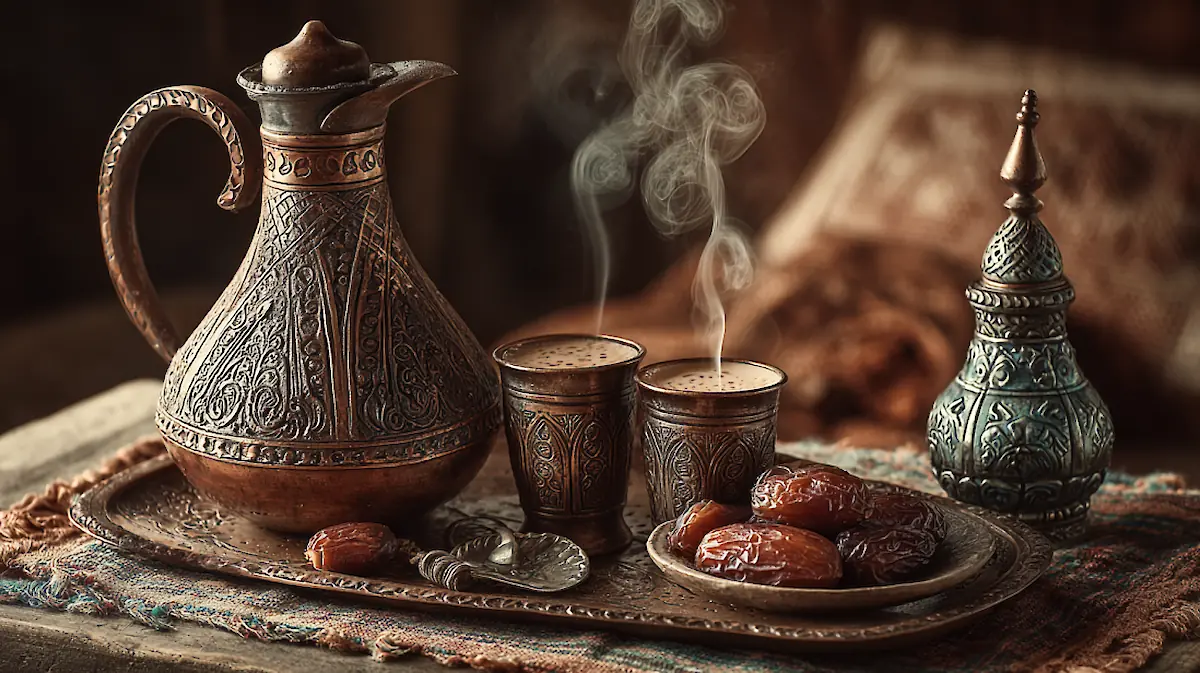
From the coffee ritual to rules of conduct: how to become a welcome guest in the heart of the Emirates.
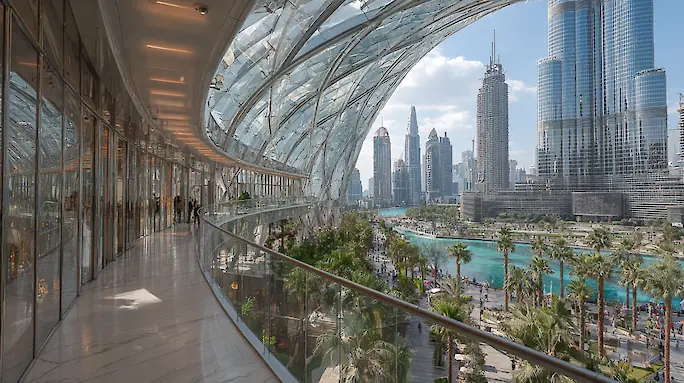
Dubai dazzles with the gleam of its mirrored skyscrapers and futuristic projects, rightfully regarded as a city of the future. Yet at the base of these glass-and-steel giants flows another, deeper and more ancient way of life-rooted in centuries-old traditions and genuine hospitality. Behind the glossy façade lies a complex system of social rituals, and understanding their logic transforms an ordinary trip from a mere sightseeing excursion into a true cultural immersion. We will give you the key that opens Dubai’s invisible doors, helping you not just follow the rules but speak the universal language of respect, and in return receive the most valuable thing money can’t buy: sincere goodwill and warmth. The key to understanding this world is the concept of the “Majlis”, the central element of the entire cultural code of the Emirates.
What is a majlis: The heart of Arab hospitality
What is a majlis? Don’t rush to answer: “a room for guests.” Behind this word lies an entire philosophy of communication, a vibrant social space where conversations have been held, news discussed, deals sealed, and bonds strengthened for centuries. It is the very center of public life, the pulsating heart of Arab culture.
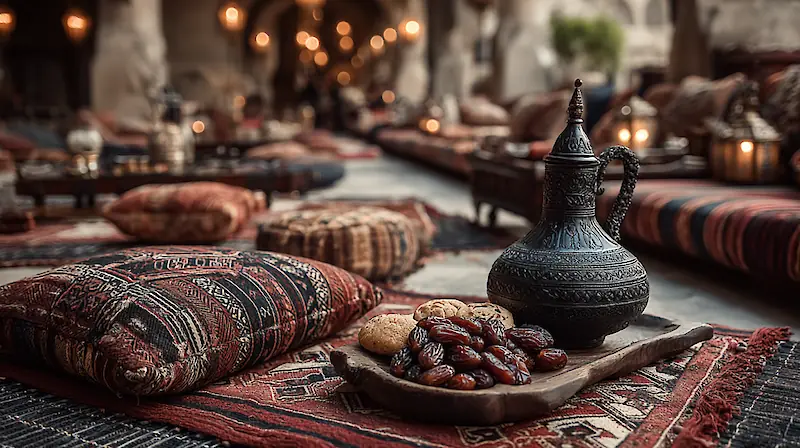
UNESCO living heritage: The majlis is not a static museum exhibit. It is such a vibrant and globally significant tradition that in 2015 UNESCO inscribed it on the list of Intangible Cultural Heritage of Humanity.
The roots of this tradition run deep into Bedouin heritage. In the harsh conditions of the desert, the survival of the tribe depended directly on mutual assistance and generosity. Welcoming a traveler, feeding them, and providing shelter was not merely an act of politeness but an unbreakable code of honor. Today, this code lives on in every majlis, in every cup of coffee served to you, reminding us that hospitality here is the highest virtue.
The art of being a guest: Key etiquette rules in Dubai
Let's break down those very cultural nuances whose knowledge distinguishes a thoughtful traveler from a casual passerby and opens the hearts of local residents.
Greetings and body language
When meeting men, a standard handshake is customary, but always use your right hand—the left hand is considered "unclean" in Arab culture. When greeting a woman, never extend your hand first; wait for her to take the initiative. If she does not offer her hand, a slight nod and a polite smile will suffice. Always maintain a respectful distance (about 1–1.5 meters) and avoid physical contact with your interlocutor. When sitting, never point the soles of your shoes toward other people, this is considered an extremely disrespectful gesture.
Caution: this gesture could cost you your freedom: Remember that many gestures that are harmless in Western cultures may be regarded as serious offenses in the UAE. This is not just a breach of etiquette but a legal offense that can result in hefty fines and even imprisonment.
Dress code: how to dress with respect
Choosing what to wear in Dubai is not only about comfort but also a way to show respect. Dress requirements vary depending on the location:
- Strolling through a mall or market: Choose clothing that covers your shoulders and knees. Long skirts, trousers, and T-shirts with sleeves are ideal. Avoid short shorts, strapless tops, and low-cut necklines.
- Visiting a mosque: Maximum modesty is required here. Clothing should be loose-fitting, non-transparent, and fully cover the body. Women must cover their heads with a scarf. If your attire does not meet the requirements, you will be provided with a traditional abaya free of charge upon entering major mosques, such as the Jumeirah Mosque.
- Relaxing at the beach: Bikinis are perfectly acceptable on private hotel beaches. On public beaches, it’s best to opt for more modest swimwear. Topless sunbathing is strictly prohibited. When leaving the beach area, be sure to put on a tunic, dress, or T-shirt.
Photography etiquette: a shot without consequences
Photography in Dubai is subject to strict rules related to privacy and national security.
- It is strictly forbidden to photograph local residents, especially women and children, without their explicit verbal consent.
- You must not photograph government buildings, military facilities, sheikhs’ palaces, or police stations.
- Violating these rules can lead to very serious consequences, ranging from being required to delete the photo to hefty fines and even imprisonment.
Respect for religion and authority
Show absolute respect for Islam, the ruling family, and the state symbols of the UAE. Any criticism directed at them, even in private conversations or on social media, is unacceptable and may have severe consequences. Never photograph people who are praying.
More than just etiquette: laws that must not be broken
Observing cultural norms is key to your peace of mind and comfort. However, some matters go beyond etiquette and are governed by the strictest laws.
Zero-Tolerance Rules: Remember three absolute prohibitions in Dubai: drugs (extremely harsh penalties), consumption of alcohol outside licensed venues, and any public displays of affection. Violating these rules leads to the most serious legal consequences, with no room for leniency.
The taste and aroma of hospitality: Gastronomic etiquette
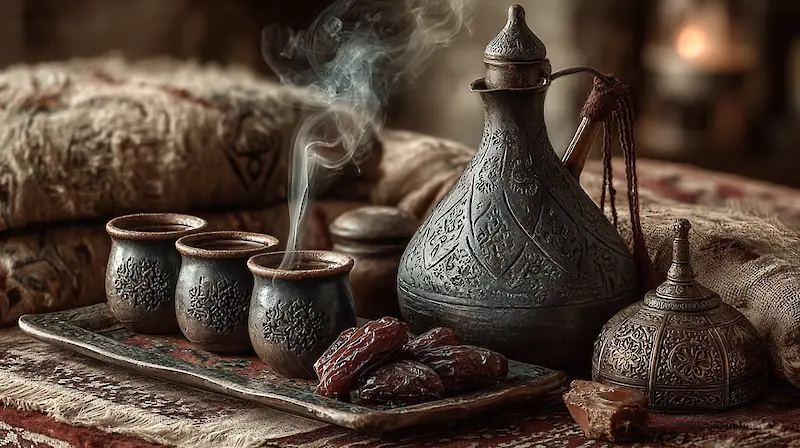
The Qahwa ritual: more than just coffee
Forget your usual coffee break. Serving qahwa is a full-fledged spectacle, a structured ritual and a crucial act of hospitality. The first thing you’ll be offered in any Arab home, hotel, or even office is dates and Arabic coffee, known as "qahwa." Light, spiced coffee with cardamom is poured from the traditional "dallah" coffee pot into tiny "finjan" cups. It’s important to remember the symbolism: the cup is filled only one-quarter full, indicating that the host is generous and ready to refill it again and again. The cup should be received and offered only with the right hand.
Tip: To politely decline an additional serving of coffee, you don’t need to say anything. Simply gently rock the empty cup back and forth while holding it in your hand. Your host will understand this silent signal.
Treasures of Emirati cuisine: what and where to try
Emirati cuisine reflects the region’s history and culture. Be sure to sample key dishes that are part of both festive and everyday traditions:
- Al Machboos: Imagine a mountain of fragrant, spice-infused rice, in which tender, flaky pieces of chicken or lamb are immersed. This is the heart of any family celebration.
- Al Harees: An incredibly hearty and tender wheat porridge that is slowly simmered with meat for hours until it reaches an almost creamy consistency. A traditional Ramadan dish that warms both the body and the soul.
- Ouzi: The king of the festive table—a whole lamb, roasted to a golden crust and served with rice, pine nuts, and raisins. It is presented on a huge platter, and the sight symbolizes the highest form of generosity.
To find authentic cuisine, look for restaurants popular among locals. For example, visit Al Fanar, which recreates the atmosphere of 1960s Dubai, or the more affordable yet legendary Ravi Restaurant. These are not just places to eat, they are genuine cultural hubs.
Scents and patterns: Oud, Bukhoor, and Mehndi
Hospitality here engages all the senses. Scents play a crucial role. Burning bukhoor (incense made from precious agarwood chips) before guests arrive is a sign of respect and a way to purify the space. You can explore the world of Arabic perfumery at the Perfume Souk in Deira or in boutiques of local brands such as Ajmal. Mehndi, henna body art, is another integral part of festive culture, symbolizing joy and beauty. You can have intricate henna designs applied at many salons, but be sure to verify that natural brown henna is used. Avoid so-called “black henna,” which is banned in Dubai due to the risk of chemical burns.
Where traditions come alive: A unique experience in Dubai
The heritage of the desert: falconry and camel racing
To experience the living Bedouin heritage, venture beyond the metropolis. Visit a falconry demonstration at the Dubai Desert Conservation Reserve to see how this ancient practice has evolved into an elite sport.
When is the best time to visit?: Plan your trip to Dubai between October and April. During this period, the scorching heat subsides, and cultural life thrives—for example, it is during these months that the exciting camel racing season takes place.
From October to April, don’t miss the chance to watch camel races at the Al Marmoom Camel Racetrack. This is an exhilarating and unique spectacle.
Fact: At camel races in Dubai, you won’t see human jockeys. Since 2011, they have been replaced by miniature robots controlled remotely. This is a unique spectacle where ancient tradition meets futuristic technology.
A special time: Ramadan and the Eid holidays
A trip to Dubai during the holy month of Ramadan offers a unique experience. During the day, life slows down, and tourists are expected to refrain from eating and drinking in public places. But as the sun sets, the city transforms. Families gather for iftar (the evening meal to break the fast), and restaurants and special tents offer luxurious buffets in an incredibly festive and heartfelt atmosphere. The main holidays, Eid al-Fitr and Eid al-Adha, are times of universal joy, when the city is adorned with lights, fireworks resound everywhere, and festivals take place.
Conclusion
Dubai is a city of two realities: a dazzling future and a carefully preserved past. Now you hold the key to its “second,” traditional soul—hidden from the eyes of the average tourist. Remember that etiquette rules are not a cage of prohibitions. Ultimately, they are not about a rigid set of restrictions but about a key to people’s hearts. Head to Dubai, and may your most vivid memory be not of the height of its skyscrapers, but of the depth of Arab hospitality.














Comments