

How not to break the law when kissing your wife, why Friday is more important than Sunday, and other rules that will save your vacation.
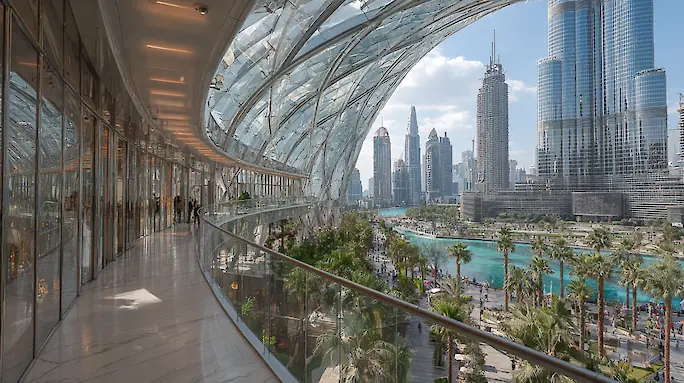
Dubai is a city where skyscrapers of glass and steel reach toward the future, and its business life has recently begun to pulse in sync with London and New York. Yet as soon as noon on Friday arrives, this frenetic pace slows down, giving way to a sacred time for prayer. It is in this paradox, between a global façade and a traditional foundation, that the very essence of the emirate lies. For tourists, a lack of understanding of this dual code often leads to awkward situations, unforeseen difficulties, and a ruined vacation. Forget dry lists of “do’s” and “don’ts.” This guide is your cultural decoder, helping you not just follow the rules but understand the logic of Dubai. We’ll give you the “keys” to the city—a set of insights that will transform you from an ordinary tourist into a confident and respected guest, ready to handle any quirks of this remarkable city.
First steps in the emirate: Visa, customs, and entry regulations
Passport control: one small detail that makes all the difference
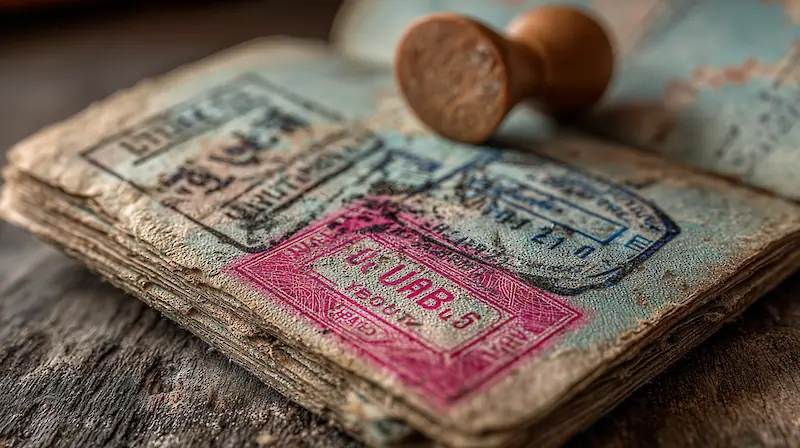
Dubai’s visa policy is welcoming, and that’s good news for almost everyone. Citizens of Russia, Ukraine, Belarus, Kazakhstan, Armenia, Azerbaijan, Georgia, Uzbekistan, as well as all EU countries, the United Kingdom, the United States, and many others can obtain a free visa directly upon arrival at the airport. The visa allows you to stay in the country for up to 90 days within a six-month period. However, there is one critically important rule that most tourists stumble over. Your passport must be valid for at least 6 months from the date of entry into the UAE. No exceptions. Be sure to check this date before purchasing your tickets so that your vacation doesn't end at border control.
What's in your suitcase? A simple cheat sheet for customs
Dubai customs is known for its thoroughness, but there's no need to panic. The key is knowing the limits for popular "souvenirs" and items for personal use. Here's a simple cheat sheet to ensure your suitcase passes inspection without a single question:
| Category of Goods | Quantity Limit |
|---|---|
| Alcoholic beverages | Up to 4 liters of strong alcohol or 2 packs of beer (24 cans each, up to 355 ml) |
| Tobacco products | Up to 400 cigarettes, 50 cigars, or 500 g of tobacco |
| Cash | Amounts exceeding 60,000 AED (about 16,300 USD) must be declared |
| Personal items and gifts | With a total value of up to 3,000 AED |
Special Attention: your first-aid kit: The import of many medications familiar to us (including certain codeine-containing painkillers and antidepressants) into the UAE is strictly regulated. Lack of a certified prescription or permission from the UAE Ministry of Health may result in criminal liability. Before your trip, be sure to check the official list of controlled substances.
It is strictly prohibited to import into the country narcotic substances, weapons, pornographic materials, goods that contradict Islamic values, as well as pork and homemade preserves.
Insurance: why skimping on it is the worst idea in Dubai
Let's get straight to the point: Do you need insurance in Dubai? Formally, it's not required for entry. But in reality, it's absolutely essential for you. Medical care for tourists here costs an astronomical amount, and a simple trip to the hospital for food poisoning can end up costing more than your entire vacation. Therefore, consider your insurance policy not an expense, but the best investment in your peace of mind.
Dubai navigator: Money, transportation, and car rental
Dirhams, cards, and tax free: manage your budget like an expert
The national currency of the UAE is the dirham (AED). Visa and Mastercard are accepted almost everywhere, from luxury boutiques to small cafes in Deira. It is more advantageous to exchange currency at licensed exchange offices in the city rather than at the airport, where the exchange rate is always less favorable.
Financial tip: stable exchange rate: The UAE dirham is tightly pegged to the US dollar at approximately 1 USD = 3.67 AED. This ensures financial stability and makes it easy to estimate prices in your head if you're used to thinking in dollars.
How to get 5% back on purchases (Tax Free):
1. Purchase: Make purchases totaling at least 250 AED at participating stores and ask the salesperson to complete the Tax Free form.
2. Validation: At the airport before departure, go to the Planet Payment counter, present your passport, receipts, the form, and the purchased goods in their unopened packaging for validation.
3. Refund: After completing the procedure, receive your tax refund in cash or to your bank card.
Bargaining is appropriate and even expected in traditional markets (souks), where you can confidently reduce the initial price by 30–50%. In shopping malls and boutiques, prices are fixed. As for tipping, here’s a quick guide:
| Place/Service | Recommended Tip Amount |
|---|---|
| Restaurants and Cafes | 10–15% if a service charge is not included in the bill |
| Hotel Porters | 5–10 AED per piece of luggage |
| Housekeeping Staff | 5–10 AED per day |
| Taxis | Rounding up the fare or 5–10 AED |
Metro, taxi, or tram? A guide to Dubai’s transportation
Dubai’s transportation system is one of the most modern and efficient in the world, allowing you to move quickly and comfortably between major attractions.
For your convenience, we’ve compared the main modes of transport:
| Mode of Transport | Average Cost | Pros | Ideal for... |
|---|---|---|---|
| Metro | 3–8.5 AED | Speed, cleanliness, no traffic jams | Quick trips along the city’s main arteries (Sheikh Zayed Road) |
| Buses | 3–8.5 AED | Extensive network, access to remote areas | Visiting places not served by the metro (e.g., Jumeirah Beach) |
| Tram | 3–4 AED | Connects key points in Dubai Marina and JBR | Strolling and getting around within the Dubai Marina and JBR districts |
| Taxi / Ride-sharing | 25–60 AED | Comfort, 24/7 availability, “door-to-door” service | Late-night trips, traveling with luggage, or reaching places without public transport |
The Nol card is the single key to all public transportation. For tourists, the best options are the Silver Nol Card (rechargeable) or the Red Ticket (for multiple trips).
Car rental: freedom or extra hassle?
Renting a car offers freedom of movement, especially if you plan trips outside Dubai. However, this option comes with several considerations: heavy traffic, parking difficulties in popular areas, and very strict traffic regulations.
Key points for drivers:
- Age and driving experience: Minimum age is 21, with at least 1 year of driving experience.
- Documents: For citizens of the Russian Federation and several other countries, an International Driving Permit (IDP) is required in addition to a national driver’s license.
- Zero tolerance for alcohol: The UAE has a zero-tolerance policy for alcohol while driving.
- Fines: Speed cameras monitor speed limits, and fines for violations are very high.
Our verdict: is it worth renting a car? If you’re not planning desert expeditions or trips to neighboring emirates, then the answer is definitely no. The ideal transportation combination for tourists in Dubai is the fast metro for long-distance travel and affordable door-to-door taxi services. This will save you a lot of money, stress, and time spent searching for parking.
The new rhythm of the emirate: Workweek and holiday calendar
Global week: how Dubai has synchronized with the world
Since January 1, 2022, the UAE has adopted a new workweek format: Monday through Friday, with weekends on Saturday and Sunday. This strategic move has aligned Dubai’s business life with most global financial centers. At the same time, Dubai has preserved its cultural identity. Friday remains a sacred day for Muslims. On this day, the public sector operates on a shortened schedule (until 12:00 p.m.) to allow believers time for communal prayer. This is a striking example of how the emirate skillfully combines global business standards with deep-rooted traditions.
For travelers to note: the new workweek: Planning business calls or visits to government offices has now become easier, these institutions operate on the same days as in Europe. However, remember that Friday afternoons are a time for rest and prayer, and business activity in the city comes to a standstill.
Official holidays in Dubai (using the 2026 calendar as an example)
Planning your trip with state holidays in mind can provide you with a unique experience, but it can also create challenges. Important: Dates for Islamic holidays (marked *) are approximate, as they depend on the lunar calendar and are officially confirmed shortly before their occurrence. Always check the exact dates for the current year before your trip.
| Holiday | Predicted Date in 2026 | Significance for Tourists |
|---|---|---|
| New Year's Day | January 1 (Thu) | Grand fireworks at Burj Khalifa, parties throughout the city. Hotels and restaurants are packed, prices are at their peak. |
| Eid al-Fitr (Uraza-Bayram)* | March 20–22 (Fri–Sun) | The city "explodes" with festivals, discounts in malls, and family celebrations. A festive atmosphere, but crowds are possible. |
| Day of Arafah* | May 26 (Tue) | A quiet and solemn day preceding the main holiday. Some establishments may be closed. |
| Eid al-Adha (Kurban-Bayram)* | May 27–29 (Wed–Fri) | One of the most important holidays, often forming a long weekend. Festivals and special offers are available, but it can get crowded. |
| Islamic New Year* | June 16 (Tue) | A calm, "dry" (non-alcoholic) day. No lavish celebrations, just an official day off. A great opportunity for a quiet stroll. |
| Prophet Muhammad's Birthday* | August 25 (Tue) | A religious, peaceful day off. Public entertainment is limited, and alcohol is not sold. |
| UAE National Day | December 1–2 (Tue–Wed) | The main event of the year! Air shows, parades, car rallies with flags, and fireworks throughout the city. Very spectacular, but be prepared for traffic jams. |
Guest code: How to behave for a perfect vacation

From dress code to photography: unwritten rules of respect
Let's clarify right away: no one will force you to wear a burqa in Dubai. However, there is a simple rule of etiquette that will open any door for you: "the further away from the beach, the longer the shorts." Planning to visit a mall, museum, or government institution? Just cover your shoulders and knees. That's enough to show your respect and avoid sidelong glances. The same applies to displays of affection: passionate kisses are best reserved for your hotel room. On the street, holding hands is sufficient. It is also strictly forbidden to photograph people (especially women) without their explicit permission. Photographing government buildings, military facilities, and sheikhs' palaces is also prohibited.
Reminder for Ramadan: During the holy month of Ramadan, tourists are prohibited from eating, drinking, and smoking in public places during daylight hours. Restaurants operate behind screens.
Failure to comply with these rules is considered a serious act of disrespect.
Alcohol, relationships, and other "red flags"
An important and delicate issue is relationships. Recently, the laws have been relaxed, and hotels now readily accommodate unmarried tourist couples in the same room, there will be no issues with this. However, it is crucial to understand: this is a concession for visitors to the city. Sex outside of marriage, and especially same-sex relationships, formally remain illegal. The main principle here is absolute privacy. Anything that happens behind the closed doors of your room is nobody's concern. Anything that is made public, however, can become a problem. Consuming alcohol is permitted only in licensed establishments-bars, clubs, and hotel restaurants. Appearing in public while intoxicated is an offense.
Attention: laws are uncompromising: Even trace amounts of narcotic substances are punishable by lengthy prison terms. Driving under the influence of alcohol (with zero blood alcohol content) is punishable by hefty fines, imprisonment, and deportation. There is no leniency in these matters.
Online safety: your digital etiquette in the UAE
The laws of the UAE also apply to the online space. What may seem harmless on the internet at home can lead to serious consequences here. It is strictly forbidden to:
- Post insults, slander, or threats on social media and in messaging apps.
- Distributing other people’s photographs without their consent.
- Using a VPN to access prohibited content (pornography, gambling, extremist websites).
Dubai - an open world with its own rules
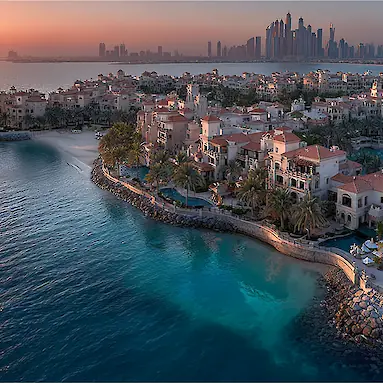
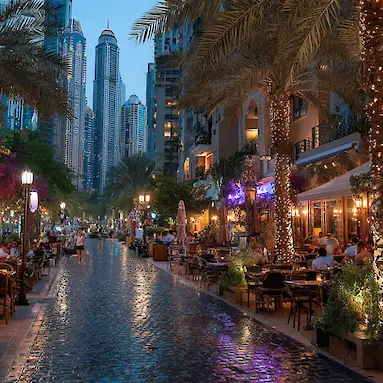
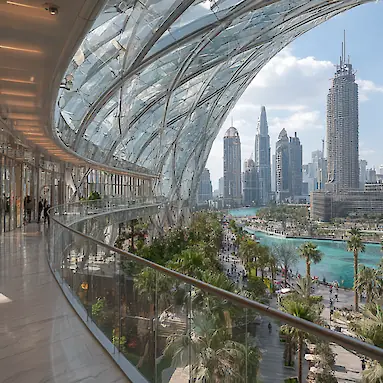
So what is the main secret of Dubai? It lies in its “dual existence.” Inside your hotel, beach club, or shopping mall, you find yourself in a global, universally understandable space. But as soon as you step onto an ordinary city street, visit a traditional market, or enter a mosque, you enter a different world governed by rules rooted in centuries-old traditions. The true art for a visitor lies not just in knowing these two “codes,” but in learning to switch effortlessly between them. Feel this rhythm, respect it, and Dubai will cease to be merely a collection of attractions for you, it will transform into an amazing, welcoming, and utterly safe world that will give you the most cherished memories.














Comments