
A complete guide to air-conditioned walkways, icy oases, and the right pace of life in a summer megacity.
Imagine it’s +45°C outside, yet you’ve been walking through the city in a light shirt for twenty minutes and aren’t even thinking about the heat. Fiction? No, it’s an ordinary day in summer Dubai for those who know its main secret. Contrary to popular myths, visiting during the sweltering heat isn’t a survival test. It’s an opportunity to see the city as its brilliant engineers envisioned it: as a giant, perfectly tuned organism where just one door separates you from the blazing sun. This guide is your key to Dubai’s climate control panel. We’ll teach you how to spot the invisible arteries of coolness, use malls as teleportation hubs, and plan your day so that the heat becomes nothing more than a picturesque backdrop rather than the star of your trip.
The anatomy of comfort: How cool Dubai is designed
Dubai isn’t just a collection of buildings; it’s an entire ecosystem engineered to combat the climate. Understanding how it works is the key to your comfort.
Arteries of coolness: the transportation system
In summer Dubai, your main enemy isn’t the heat itself but poor logistics. Fortunately, the city has already mapped out all the escape routes for you. Forget long walks under the sun; here, transportation is part of a climate-controlled oasis.
Your key to coolness: the Nol card: The Nol card is your all-in-one ticket to Dubai’s cool transport network (metro, buses, trams). Pick it up from the first machine upon arrival to travel in comfort and avoid overpaying for taxis.
- Metro, buses, and trams: The backbone of the system is the fully air-conditioned metro. During peak hours (7:00–9:00 a.m. and 5:00–7:00 p.m.), splurge on Gold Class carriages: the fare is roughly double that of a standard ride (up to 15 AED versus 7.5 AED), but a guaranteed seat in the cool air makes those extra few dirhams well worth it for the rest of your day. Most bus stops in central areas are enclosed glass pavilions with an ideal temperature of 22–24°C.
- Taxis and ride-sharing: For door-to-door trips, use the Careem or Uber apps. These let you hail a car from indoors, see the fare in advance, and pay by card. The Hala service (within the Careem app) uses a fleet of RTA city taxis and often provides the fastest pick-up times.
Oases under roof: from malls to museums
Daytime (from 11:00 a.m. to 5:00 p.m.) is the perfect time to explore indoor spaces, which in Dubai are not just buildings but entire worlds.
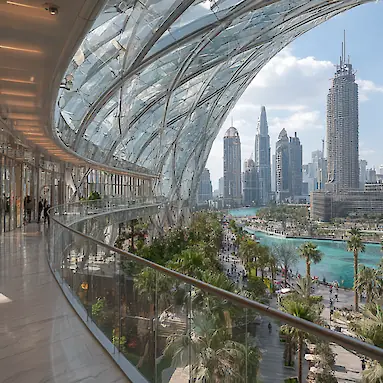
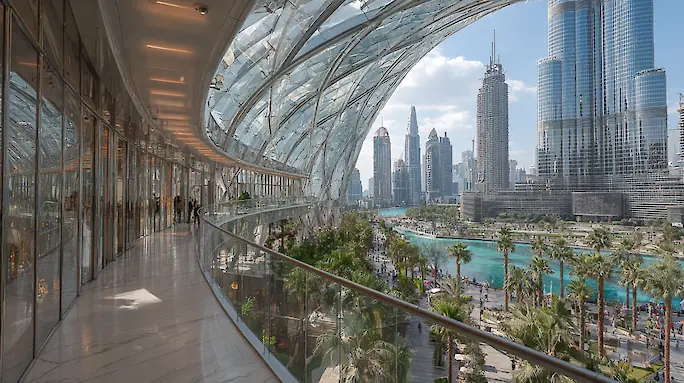
- Shopping malls as transit hubs: Use malls not just for shopping, but also as cool “corridors” for getting around. The city is crisscrossed by a network of air-conditioned pedestrian walkways that connect metro stations with key landmarks, such as the 828-meter Metro Link Bridge, which leads directly into Dubai Mall.
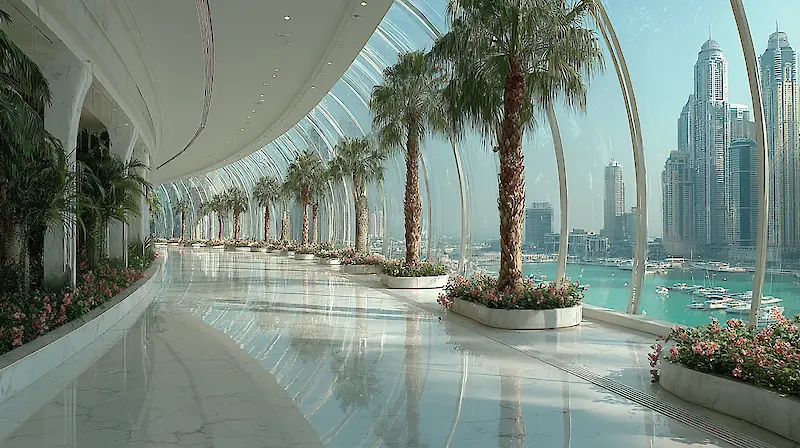
- Indoor attractions: Daytime is the best time to visit the Museum of the Future, the giant aquarium in Dubai Mall, indoor theme parks, or the numerous art galleries in the Alserkal Avenue area.
Online tickets are your personal Fast Track: By purchasing tickets to popular attractions (Burj Khalifa, museums) online, you not only save 10–15%. You also skip the sweltering ticket lines, saving you 30 to 90 precious minutes in the cool indoors.
- Gastronomic discoveries in the cool: Inside these cool oases, a gastronomic paradise awaits you to suit every budget:
- Quick and affordable: Massive food courts where you can embark on a culinary world tour without leaving your table—ranging from Lebanese shawarma to Japanese sushi. Average bill: 30–50 AED.
- Smart and cost-effective: Look for Business Lunch signs in restaurants (usually from 12:00 to 15:00 on weekdays). This is your chance to enjoy fine dining at food court prices. Average bill: 50–80 AED.
- For adventurous foodies: Before heading out, check the The Entertainer or Groupon apps. Deals like “two dishes for the price of one” are not uncommon here—they’re almost a predictable delight.
Living by the sun: how to align your schedule with the climate
Smart planning is your key skill. All outdoor activities should be scheduled for times when the sun is least intense.
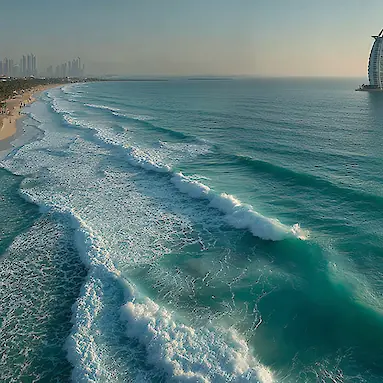
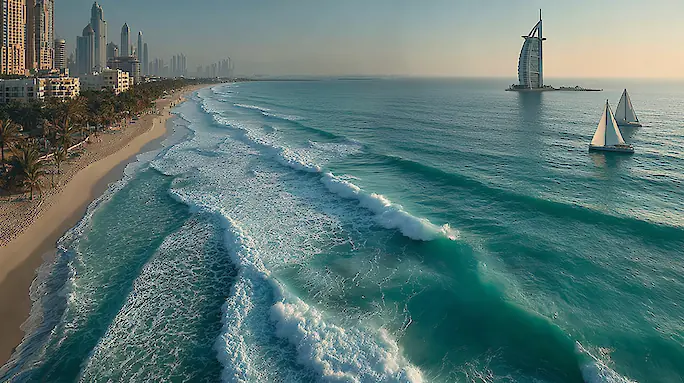
- Beaches and promenades: Visit the famous beaches (Kite Beach, JBR Beach, La Mer) strictly in the early morning (from 6:00 to 10:00) or after sunset (after 17:00). In the evening, these spots come alive, transforming into vibrant hubs with cafés, street performers, and a relaxed atmosphere.
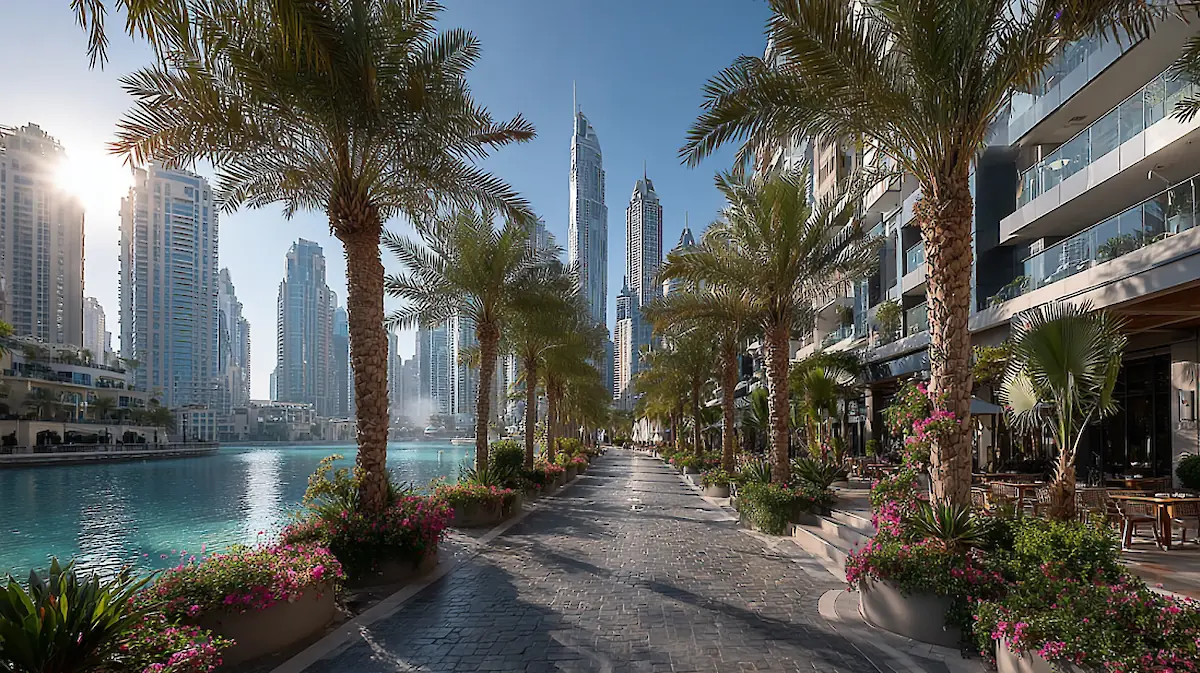
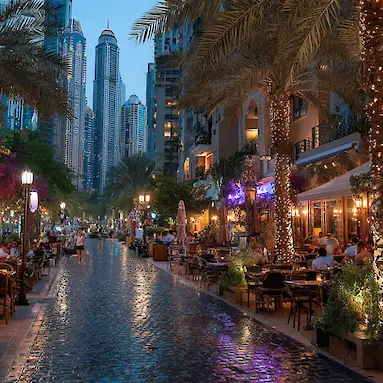
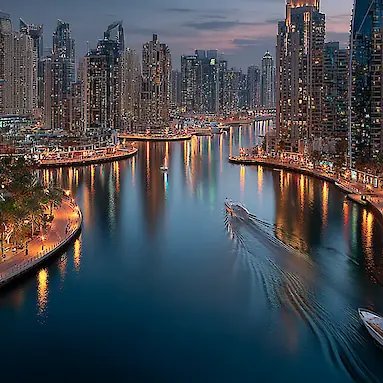
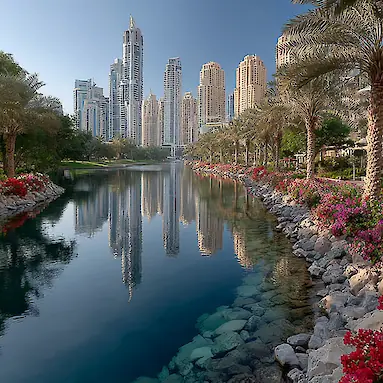
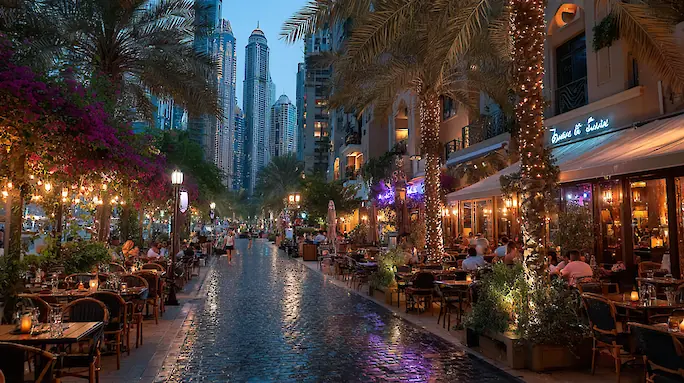
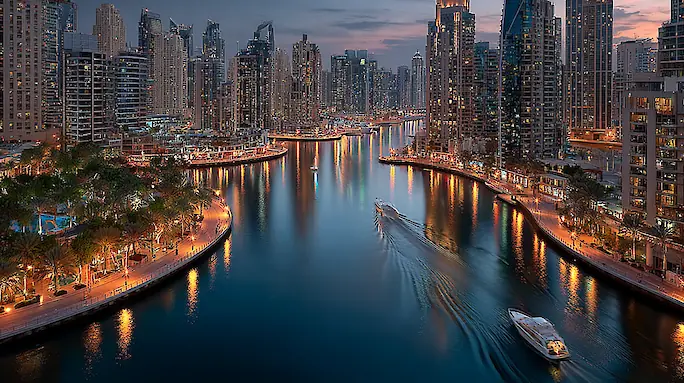
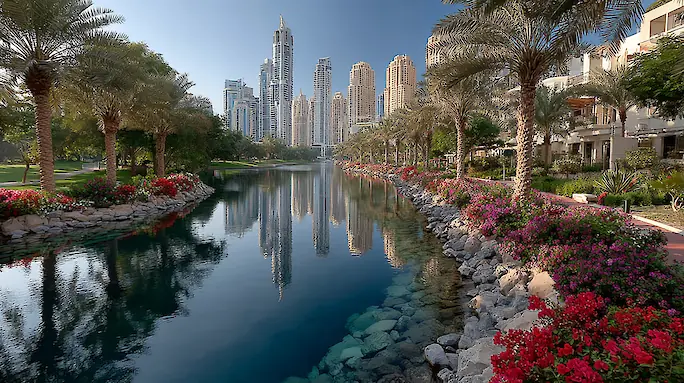
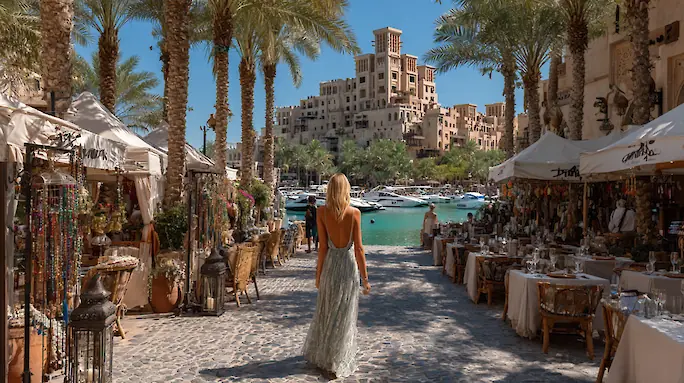
- Evening strolls: Walking areas such as Dubai Marina Walk or the historic Al Seef district reveal their true beauty after 17:00, when the heat subsides and the city lights up with millions of lights. The famous fountain show at Burj Khalifa is also best viewed only after sunset.
Preparing for the Dive: A practical checklist for the smart traveler
Here’s everything you need to know and prepare before your trip to ensure your vacation is as comfortable and safe as possible.
Keep a cool head: health and safety
- Hydration: The main rule is to drink plenty of water, no less than 2–3 liters per day, even if you don’t feel thirsty. Always carry a bottle with you. To replenish electrolytes lost through sweat, you can buy rehydration powders (Oral Rehydration Salts, ORS) at any pharmacy, they’re your personal “isotonic” drink.
- Proper nutrition: At lunchtime, opt for light meals (salads, grilled fish, fresh juices) to avoid drowsiness and heaviness, which the heat only intensifies.
Attention: signs of heatstroke!: The heat in Dubai is no joke. Immediately find a cool place and seek help (emergency phone—999) if you or your companions experience severe headache, dizziness, nausea, and the skin becomes hot and dry. Take care of yourself!
- Emergency phone numbers:
- Police: 999
- Ambulance: 998 (or 999 from a mobile phone)
- Tourist Police: 800 4438
Money and communication: what to put in your wallet and smartphone
- Money: Cashless payments are accepted almost everywhere. Here’s a key financial tip: when the payment terminal asks you to choose between rubles or dirhams, always, and we mean ALWAYS, select dirhams (AED). Otherwise, your bank will process the transaction at its own exorbitant internal exchange rate (this is known as “dynamic currency conversion”), and you’ll lose money for no good reason.
- Communication: A local SIM card or eSIM is essential for calling taxis and using navigation. Now here’s an important note for anyone used to making calls home via WhatsApp or FaceTime: in the UAE, these features are often blocked on mobile data. To avoid being left without communication with your loved ones at the most inconvenient moment, install one of the local legal calling apps in advance, such as BOTIM or GoChat. A few minutes of preparation—and no unpleasant surprises.
Traveler's checklist: what to pack in your suitcase and smartphone
- Clothing and accessories:
- Clothing: Only light, loose-fitting garments made from natural, breathable fabrics (cotton, linen) in light colors.
- Essential: A hat, high-quality sunglasses, and sunscreen with a high SPF factor.
- Digital toolkit (Apps):
- Transportation: RTA Dubai / S'hail (route planner), Careem / Uber (taxis).
- Food and discounts: Talabat (delivery), The Entertainer / Groupon (restaurant deals).
- Navigation: Google Maps / Waze.
Leaving beautifully: how to get tax and fare refunds
- Tax-free (VAT refund): For purchases over 250 AED, ask the store to issue a Tax Free form from Planet. At DXB Airport (Terminals 1 and 3), after passport control, find the Planet kiosks, scan your documents and receipts to receive a refund to your card (no fee) or in cash (a fee may apply).
- Nol Card balance: Unused funds on the transport card can be refunded at ticket offices at metro stations, including the airport. A small administrative fee may be charged for this transaction.
Summer Dubai: Not to fight, but to embrace
So what is summer Dubai really like? This isn’t a trial you have to endure; it’s more like an intellectual game in which you learn to harness the ingenious strategies of the city’s creators to your own advantage. You don’t fight the heat, you simply navigate around it along perfectly planned routes, moving between oases of comfort.
At some point, you’ll catch yourself realizing that the numbers on the thermometer no longer matter. That’s because you’ve mastered the most important lesson: seeing Dubai not as a collection of streets and buildings, but as a single, cohesive system designed to enable you to enjoy life under any conditions. And it’s precisely this sense of omnipotence and awe at human ingenuity that you really shouldn’t risk missing out on.





Comments