
From market analysis to trip planning: a step-by-step guide for future residents.
For a moment, forget the glittering skyscrapers and luxury hotels. For entrepreneurs, Dubai is first and foremost a global hub offering near-ideal conditions for starting a business: zero corporate income tax for many types of businesses, clear and transparent regulations, and a massive influx of affluent consumers from around the world. It’s an environment where ambitious business concepts quickly attract investors and customers, and the fast-paced business dynamics compel decisive action. For many, a trip to this desert oasis is the first step toward building their own venture. As you watch the city grow and evolve at such a rapid pace, it’s easy to catch its entrepreneurial spirit. And that’s where the franchise model emerges as a proven, reliable way to enter this highly competitive yet incredibly lucrative market. It allows you to build on a successful business model and avoid many of the pitfalls that are inevitable when launching a project from scratch. This guide is designed for those who come to Dubai not just to relax, but to explore business opportunities. We’ll skip the usual talk about “huge potential” and get down to business: we’ll break down the most profitable franchise niches for 2024, assess the entry barriers and potential challenges, and, most importantly, create a clear plan for your research trip. By the time you finish reading, you won’t just feel inspired—you’ll have a concrete roadmap to follow.
Our filter: Why these niches and not others?
Dubai’s market is brimming with enticing offers, but far from all of them stand up to real-world scrutiny. To separate fleeting hype from truly sustainable models, we put dozens of concepts through a rigorous filter. Here’s what we looked at first and foremost:
- Market growth and consumer demand: We chose niches that demonstrate steady growth and precisely meet the needs of both the emirate’s multinational population and the endless stream of tourists.
- Business model sustainability: We focused on concepts that have already proven their effectiveness in the dynamic environment of a megacity, capable of adapting and thriving.
- Entry threshold and payback period: We concentrated on options with a moderate level of initial investment and clear, predictable timelines for recouping invested capital.
- Alignment with Dubai’s “DNA”: We sought ideas that naturally fit into the city’s lifestyle and resonate with its core values: a healthy lifestyle, premium service, multiculturalism, and a commitment to excellence.
Dubai’s gastronomic pulse: Franchises in the F&B Sector
The food and beverage (F&B) sector in Dubai is highly competitive yet consistently profitable. A multicultural population with high quality expectations, a massive influx of tourists eager to try new things, and a deeply ingrained local habit of dining out create ideal conditions for gastronomic ventures. There is always demand here for high-quality service and fresh, innovative concepts.
Concept 1: Boutique coffee shops and specialty coffee
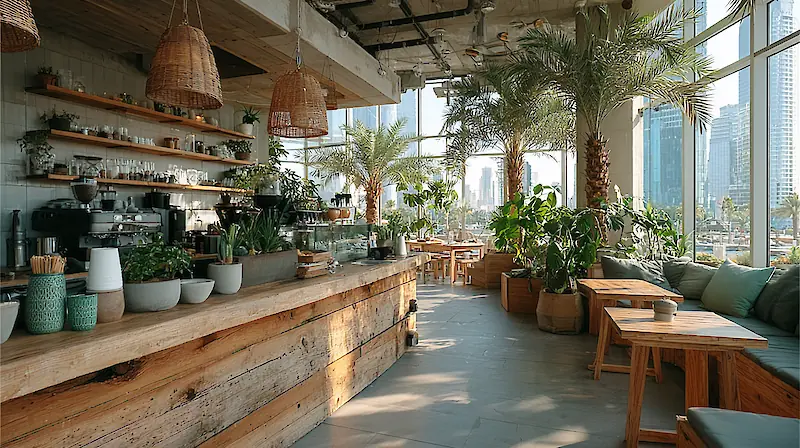
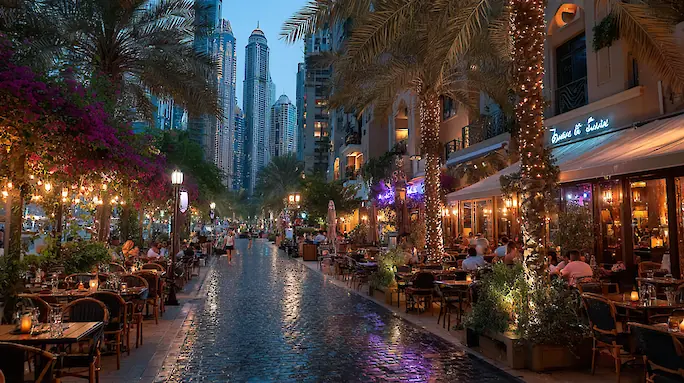
The success of specialty coffee shops in Dubai stems from three powerful trends: high demand for comfortable workspaces outside the office, popularity among the large expat community, and impeccable Instagram aesthetics that have become an integral part of marketing. This is more than just coffee—it’s a lifestyle. It’s no surprise that the specialty coffee market in the UAE is showing annual growth of more than 10%. Successful chains that have become cult favorites prove that a quality product and the right atmosphere are the key to winning over Dubai’s audience.
- Key figures:
- Average check: $15–$25
- Approximate investment size: from $150,000
- Key expense items: rent in a premium location, professional coffee equipment, interior design.
- Investor profile: This business is for a perfectionist with the soul of a community manager. You’ll have to personally taste dozens of coffee varieties, argue with the designer over the shade of the lighting fixtures, and know your regular customers by name. If you’re ready to live and breathe your project and create an atmosphere that people will want to come back to, this is your niche. If you’re looking for passive income, move along.
Concept 2: Fast-casual restaurants and healthy eating
In Dubai’s fast-paced lifestyle, time is a precious resource, but no one is willing to sacrifice food quality. This has created a huge demand for quick yet healthy meals that meet the needs of the city’s active residents. Concepts offering fresh bowls, customizable salads, and smoothie bars are thriving. The success of such a venture depends directly on location—ideal spots include areas near major business centers, fitness clubs, or densely populated residential neighborhoods.

- Key figures:
- Average bill: $20–$35
- Approximate investment: from $200,000
- Potential net margin: 15–25% (after reaching planned performance targets).
- Investor profile: This isn’t for dreamers—it calls for an operations-minded, numbers-driven investor. Your main tool is an Excel spreadsheet with unit economics. You must be able to negotiate every dirham with suppliers, set up logistics as precisely as clockwork, and strictly control food costs. If the terms “table turnover” and “write-off optimization” excite you rather than bore you, you’re on the right track.
The secret to choosing a location: When searching for a location for a fast-casual restaurant, pay special attention to new, rapidly developing residential areas such as Dubai Hills or Damac Hills. A new audience is rapidly emerging here—one that values a healthy lifestyle and is willing to pay for high-quality, convenient solutions.
An oasis of beauty and health: Prospects in the wellness sector
In Dubai, the culture of a healthy lifestyle and meticulous self-care is not a fleeting trend but an integral part of the city’s DNA. The desire to look great and feel good creates steady, high demand for services in the beauty, fitness, and relaxation sectors, opening up broad opportunities for investors.
Concept 3: Boutique fitness studios (Yoga, HIIT, Pilates)
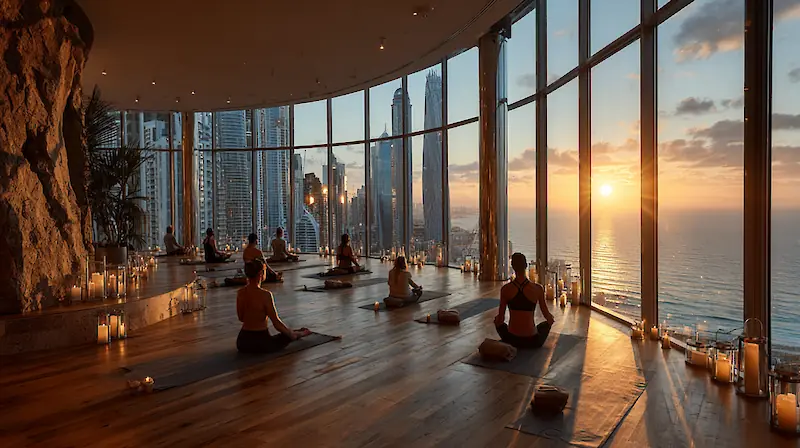
A new format has emerged to replace large, “faceless” gyms: intimate studios that focus on a specific discipline and foster a strong sense of community. Clients are no longer just looking for exercise equipment; they seek a personalized approach, the energy of group classes, and trendy interiors that make the space enjoyable to be in. Here, the atmosphere is everything: people come not only for results but also for connection and inspiration.
- Key figures:
- Membership cost: $150–$300 per month
- Required investment size: from $100,000
- Main costs: renting a space with a suitable layout, payroll for highly qualified instructors.
- Investor profile: Ideal for an enthusiastic leader who can inspire others with their energy. You must be both a talented headhunter capable of finding star instructors and the life of the party, able to build a loyal community around the studio. This business requires constant personal involvement and strong motivational skills.
Intense competition is your challenge: Competition in Dubai's fitness industry is extremely high. Your key to success lies not only in state-of-the-art equipment but also in charismatic star instructors. It is they who can build a loyal community around themselves and ensure a steady flow of clients for the studio.
Concept 4: Express beauty salons and barbershops
The fast-paced lifestyle in Dubai sets its own rules. Demand for quick, high-quality beauty services that can be obtained during a lunch break or on the way home remains consistently high. Manicures, hair styling, and beard trims are always in demand. A key factor for success is convenient location in high-traffic areas: shopping malls, business hubs, or on the ground floors of residential complexes.

- Key figures:
- Average bill for popular services: $40–$80
- Investment level: from $120,000
- Target utilization rate for barbers: 70–80% (achieved within 6–9 months of operation with effective marketing).
- Investor profile: Suitable for a systematic manager who is passionate about service quality. Success here lies in the details: from impeccable cleanliness and seamless appointment scheduling to the staff's ability to connect with every client. If you can establish and maintain flawless operational standards day after day, this predictable business model is for you.
How to choose your path: Comparing different areas
To help you navigate your options, we have prepared a brief comparative table of key parameters for the two sectors discussed. Evaluate them through the lens of your financial resources, managerial experience, and—no less importantly—your personal interests.
| Parameter | F&B (coffee shops, fast-casual) | Wellness (fitness studios, salons) |
|---|---|---|
| Estimated Investment | $150,000 – $400,000+ | $100,000 – $300,000 |
| Payback Period (average) | 2–4 years | 2–3 years |
| Operational Complexity (1–5)* | 5/5 | 3/5 |
| Dependence on Staff | High | Very high (trainers, specialists) |
| Key Success Factor | Location, product quality, marketing | Team, community, customer service |
*By operational complexity, we mean:
- For F&B (5/5): Managing the procurement and storage of perishable goods, strict sanitary control, high turnover of frontline staff, and the need for constant quality control.
- For Wellness (3/5): Creating and managing a complex schedule for specialists/trainers, dependence on "star" employees, and managing the client base and membership plans.
The main selection criterion: Your personal interest and expertise are your most important asset. Choose the sector in which you are knowledgeable and that truly inspires you. In Dubai, insincerity is keenly sensed, but sincere passion and impeccable quality are generously rewarded.
Planning a business trip to Dubai: A practical guide
Now that you’re inspired by these ideas, it’s time to move on to practical steps. A well-organized research trip is the key to future success. Here’s how to make it as effective as possible.
- Best time to visit
- The ideal period for a trip is from October to April. Comfortable weather will allow you to move around the city with ease while exploring potential locations. Be sure to check the dates of major industry exhibitions (such as Gulfood for the F&B sector) — this is an excellent opportunity to study the market and make useful connections.
- Legal intricacies explained simply
-
Important legal point: Opening a business in the UAE has its own specific features. You face a key choice: registering in the 'mainland' or in a free zone. **Simply put:** if you want to open a coffee shop or a salon for the general public in any part of the city, your path is most likely the 'mainland'. If you are planning a business focused on working with other companies within a specific cluster (such as an IT park), look toward the 'free zone'. Each option has its own tax and licensing nuances. Therefore, we strongly recommend scheduling a consultation with a local lawyer at the planning stage of your trip to make the right decision.
-
- Trip and research budget
- In addition to standard expenses for flights and accommodation (for convenient travel, consider hotels in the Business Bay or Dubai Marina areas), include additional funds in your budget. You will need money for consultations with lawyers and business experts, taxi rides to potential locations, and attendance at paid industry events.
- Networking on the ground
-
Where to find contacts and insights?: Don’t limit yourself to online research. Attend themed business breakfasts, which are often organized by business councils from various countries in Dubai. This is an excellent opportunity to ask questions in an informal setting to those who have already walked this path and to receive valuable first-hand information.
-
From tourist to investor - Your first step
The franchise market in Dubai today offers a unique combination of a stable economy, active government support for businesses, and a solvent, cosmopolitan audience. These factors make investing in a proven franchising model a strategically sound step toward entering one of the world’s most dynamic markets.
Final checklist for the “business tourist”:
- Identify a niche: Choose 1–2 areas that interest you most and align with your experience and budget.
- Conduct online research: Thoroughly examine the franchises available in these niches, including their terms, reputation, and competitive landscape.
- Plan your trip: Set aside at least 5–7 days. Book a consultation with a lawyer in advance and arrange meetings with representatives of the franchises you’re interested in.
- Conduct on-the-ground research: Be sure to visit several operating locations of your chosen franchises as a regular customer. Evaluate the level of service, customer traffic, atmosphere, and overall impression.
- Make an informed decision: Compare all the data you’ve gathered—financial metrics, legal considerations, and your personal impressions. Make a well-considered decision based on facts, not just emotions.
Start with the first concrete step: book a consultation with a business lawyer and purchase tickets to the nearest industry trade show. Your Dubai journey doesn’t begin with inspiration—it begins with a scheduled appointment in a lawyer’s calendar and a ticket that’s been purchased. Take action.












Comments