

As the morning prayer of thousands of worshippers gives way to the roar of fireworks above the Burj Khalifa, and family feasts are replaced by a marathon of discounts at the Dubai Mall, we dive into the Emirates' main festival.
As the last rays of the sun dissolve behind the silhouettes of skyscrapers and the call to evening prayer echoes across the city, Dubai undergoes a transformation. The air, once filled with the quiet anticipation of Ramadan, bursts into a blaze of thousands of lights and joyful buzz. Eid al-Fitr, or Uraza-bayram, begins—a celebration that blends deep spirituality with dazzling spectacle. Forget a small-scale religious event—Dubai turns Uraza-bayram into a grand urban festival, where centuries-old Islamic traditions are infused with the energy of ultramodern entertainment and the famed Dubai hospitality. In this article, we’ll explore not only what happens in Dubai during these days but also how you, as a traveler, can immerse yourself in the heart of the festivities, feel the true spirit of the holiday, and make the most of your trip.

A festival map: Where to find fun, food, and fireworks in Dubai
The main charm of Eid al-Fitr in Dubai is that it has no single center. The festival pulses throughout the city, with each location offering its own unique character and atmosphere. Craving glamour and spectacle? Head to the malls and waterfronts. Looking for warmth and family comfort? Make your way to the parks. Let’s explore where to find the most vibrant experiences.
Grand shows and fireworks
As dusk falls, the sky above Dubai explodes with thousands of lights. The roar of fireworks, reflected in the glass facades of skyscrapers, has become a true hallmark of the festival. Thousands of people gather to witness these spectacular displays. Traditionally, the main venues for evening performances are Downtown Dubai, home to the iconic Burj Khalifa, and Dubai Festival City, with its impressive water-based shows. Important note: The exact schedule and a full list of locations for fireworks and shows are published by the Dubai authorities 1–2 weeks before the festival. Be sure to check for up-to-date information on official news portals and the Visit Dubai website.
Royal shopping and entertainment in the malls
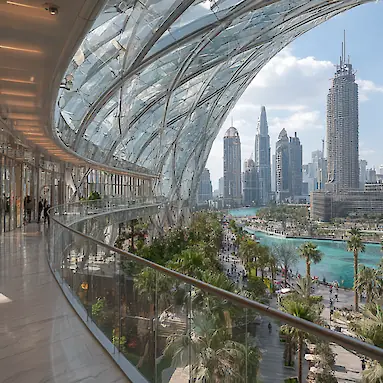
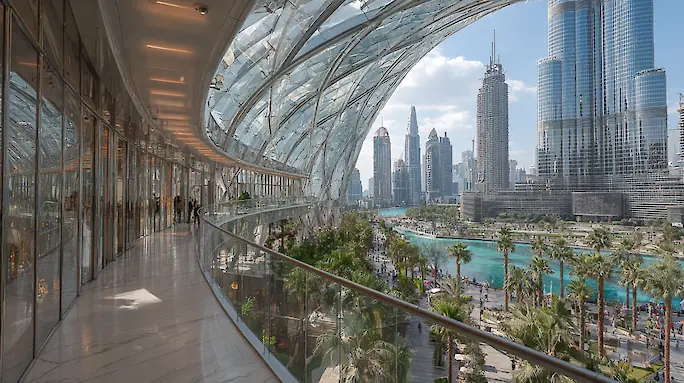
During Eid al-Fitr, shopping malls such as Dubai Mall and Mall of the Emirates transform into true hubs of family entertainment. It is here that large-scale sales and special promotions unfold, attracting shopping enthusiasts from around the world. But beyond bargain shopping, there’s plenty to keep you entertained: malls host live performances by artists, themed shows, and special entertainment programs, creating an atmosphere of a never-ending carnival. Music fills the air from every corner, stilt walkers stroll through the galleries, and entire performances for children unfold in the atriums, blending the buzz of the crowd with the delighted cries of little ones.
A gastronomic kaleidoscope
Forget about diets: Eid al-Fitr is a time when food itself becomes a celebration. Restaurants and hotels compete in their generosity, offering special menus. The main highlight is luxurious brunches and dinners served as all-you-can-eat buffets. Imagine tables laden with fragrant lamb pilaf (uzi), dozens of meze dishes—from the creamiest hummus to smoky baba ghanoush—and, for dessert, mountains of honey-soaked baklava and traditional ma’amoul cookies filled with dates. Look for the “Eid Brunch” sign—it’s your ticket to a world of Middle Eastern abundance.
Family fun in urban oases
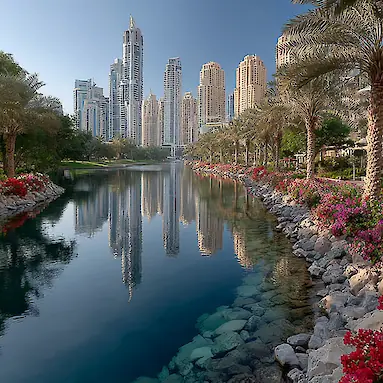
For those who want to experience a more relaxed and traditional side of the holiday, city parks are the perfect choice. Places like Safa Park, with its green lawns, playgrounds, and barbecue areas, become hubs for local families. Here, you can see Dubai residents enjoying picnics, strolling with their children, and savoring a leisurely, joyful outdoor getaway surrounded by loved ones.

The soul of the festival: Spiritual and family traditions
But to understand why the smiles on people's faces during these days are so genuine, you need to look deeper—beyond the sparkle of fireworks and shop windows. At the heart of Eid al-Fitr lies something more than mere merriment. Let’s delve into the soul of this festival. Eid al-Fitr literally translates to “the festival of breaking the fast.” It marks the end of the holy month of Ramadan and is a time of gratitude to the Almighty for the spiritual resilience shown during the fast. It is a period of generosity, forgiveness, and unity, which begins with key rituals. Early in the morning on the first day of the festival, Muslims gather for a communal prayer—the Eid prayer. It takes place in the city’s main mosques, such as the famous Jumeirah Mosque, and in specially designated open areas. Even if you come from a different culture, witnessing this firsthand is a powerful experience: thousands of people in snow-white garments, like a single organism, perform prostrations in complete silence at dawn. This sight speaks volumes about unity and the strength of faith without words. Another crucial pillar of the festival is charity, or Zakat al-Fitr, a mandatory alms that is paid before the start of the prayer to help those in need.
What is Zakat al-Fitr?: This is a mandatory charity that every Muslim family gives before the holiday. The donation helps those in need celebrate Eid with dignity. It is a wonderful expression of social solidarity and care, which lies at the heart of the entire festival.
But above all, Eid al-Fitr is a family celebration. These days are traditionally spent with relatives and loved ones. Families visit one another, exchange gifts, and gather around a lavishly set table. It is a time filled with warmth, hospitality, and the sincere joy of being together.
Planning your trip: A practical guide for travelers
Are you inspired and ready to head to Dubai for Eid al-Fitr? Here is all the information you need to plan the perfect trip.
When to go? The key secret behind Eid al-Fitr Dates
The main feature of Eid al-Fitr is that it does not have a fixed date in the Gregorian calendar we are familiar with. The holiday follows the Islamic lunar calendar, so its dates shift backward by about 10–11 days each year. Now for the most interesting part: no one knows the exact start date of the holiday in advance. It is announced by a special moon-sighting committee just a day or two before the event, when a thin crescent of the new moon appears in the sky. There is a certain magic and sense of anticipation in this, but for travelers, it means that when planning a trip, you should always allow a window of 2–3 days around the expected dates.
Navigating the festive city: transportation
During the festive days, Dubai’s transportation system operates in an enhanced mode, but the demand on it is also enormous.
- Metro: This is the fastest and most reliable way to travel between major locations. On Eid al-Fitr days, the metro’s operating hours are usually extended until 1:00 a.m.
- Taxis: Taxi and ride-sharing services are widely available, but be prepared for increased demand and possible long waiting times in popular areas.
- Car: Traveling by private or rented car to central areas is not recommended due to the high likelihood of traffic congestion and parking difficulties.
Attention: transportation during peak hours: In the evening, especially from 6:00 p.m. to 11:00 p.m., severe traffic congestion and long taxi waiting times are expected in Downtown and Dubai Marina. Plan your route in advance and use the metro—it will save you time and nerves.
Cultural etiquette: how to show respect
Dubai is a welcoming city, but during a religious holiday, it is especially important to show respect for local traditions.
- Dress code: Choose modest clothing that covers your shoulders and knees. This applies to both women and men.
- What to do:
- Share the joy: Smile and respond to greetings. The phrase “Eid Mubarak!” (“Blessed Holiday!”) will be received with great warmth and open any door for you.
- Accept hospitality: If you are offered dates or coffee, accept it with gratitude.
- Use your right hand: It is customary to use your right hand for greetings and for handing over food or objects, as the left hand is considered “unclean.”
- What to avoid:
- Public displays of affection: Hugs and kisses in public are not accepted.
- Loud behavior: Avoid loud conversations and aggressive behavior, especially in public places.
- Photography without permission: Never photograph local residents (especially women and children) without their explicit, prior consent. This is considered a rude invasion of privacy.

Safety and useful information
Dubai is rightly regarded as one of the safest cities in the world, and security measures are further strengthened during mass events.
- Emergency services: The single police number is 999.
- First aid: First aid stations are available in all major shopping malls. For example, at Dubai Mall, it is located on the lower ground floor (LG).
- Lost & Found: If you lose something, contact the information desks (Guest Services) in the malls.
Eid in Dubai: Is it right for you?
To help you decide, let’s weigh the pros and cons of traveling to Dubai for Eid al-Fitr.
Who will definitely enjoy the trip:
- Families with children: The abundance of entertainment, shows, and special programs ensures there’s never a dull moment.
- Shopping enthusiasts: The massive sales during the Eid days offer a great opportunity to update your wardrobe with significant discounts.
- Travelers interested in culture: This is a unique chance to experience the vibrant traditions of the Middle East in a modern and safe environment.
Things to keep in mind:
- Popular spots (malls, observation decks, fireworks zones) will be extremely crowded.
- Airfare and hotel prices during the holiday period are typically above average.
- Weather: This factor depends entirely on the time of year. If Eid falls between October and April, you can expect ideal weather for outdoor activities. However, if it occurs during the summer months (May–September), be prepared for intense heat, which will shift the focus of activities to air-conditioned malls and evening hours.
Why does Dubai celebrate on such a grand scale?: Holding large-scale festivals like Eid al-Fitr is part of Dubai’s strategy to attract tourists from around the world. The Emirate expertly transforms its cultural heritage into an unforgettable world-class spectacle, offering guests a unique experience.
Why Eid al-Fitr is the best time to understand Dubai
So why is Eid al-Fitr perhaps the best time to truly understand Dubai? Because during these days, the city sheds its business-oriented persona and reveals its most authentic self. It is a unique moment when its deeply spiritual and traditional soul meets its dazzling modern side. That’s why a trip to Dubai during Eid al-Fitr is not just another vacation—it’s a chance to connect with its vibrant, living culture, to witness and participate in one of the most significant festivals in the Islamic world, all within an incredibly welcoming and safe environment. Here, in a single morning, you can experience a millennia-old tradition of communal prayer, and by evening, find yourself watching the most technologically advanced fireworks display on the planet. And this is not a contrast; it is what makes Dubai itself—a city that looks with equal respect toward its glorious past and its ambitious future.




Comments