
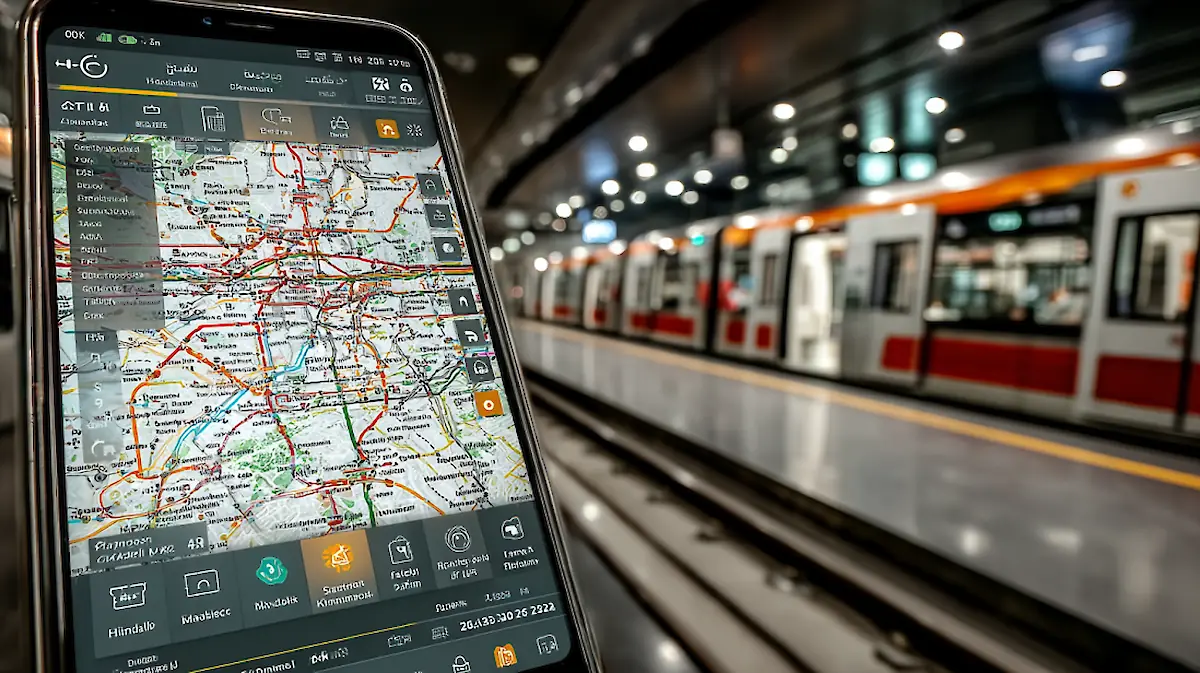
From futuristic driverless trains to money-saving tips, let’s master the transportation system of the city of the future. Dubai is a city of incredible scale and boundless ambition, where glass skyscrapers pierce the sky alongside serene desert landscapes. The distances here can seem daunting, and every traveler faces a key question: how can you explore this giant metropolis efficiently, affordably, and comfortably? The answer lies in its transport system—just as well-planned and impressive as the emirate itself. Forget everything you thought you knew about public transport. In Dubai, riding the metro feels like an attraction with panoramic views of the skyscrapers, and waiting for the tram takes place in a futuristic, air-conditioned pod. Here, transport is just as much of a must-see attraction as the Burj Khalifa. The entire system operates as a single, seamlessly integrated mechanism built on three pillars: cutting-edge technology, pristine cleanliness, and full integration of all its components: the futuristic metro, the elegant tram, an extensive bus network, and ubiquitous taxis. And tying it all together is the Nol transport card. This guide will be your reliable navigator through the world of Dubai’s mobility, helping you not only save time and dirhams but also truly enjoy getting around the city of the future.
Nol Card: The single key to Dubai's transportation
Before diving into the world of Dubai's transportation, you need to grasp the main rule: the Nol card is the cornerstone here. Without it, you won't be able to use the metro, tram, or bus. It's your universal electronic pass that opens all doors in the city's mobility system. Its operating principle is straightforward and based on the "tap-in/tap-out" system. You tap the card onto the validator when entering a station or bus (tap-in), and then again when exiting (tap-out). The system automatically calculates the fare based on the number of fare zones you cross. The entire city is divided into 7 such zones, and the more zones you cross, the higher the fare.
Which Nol card should you choose?
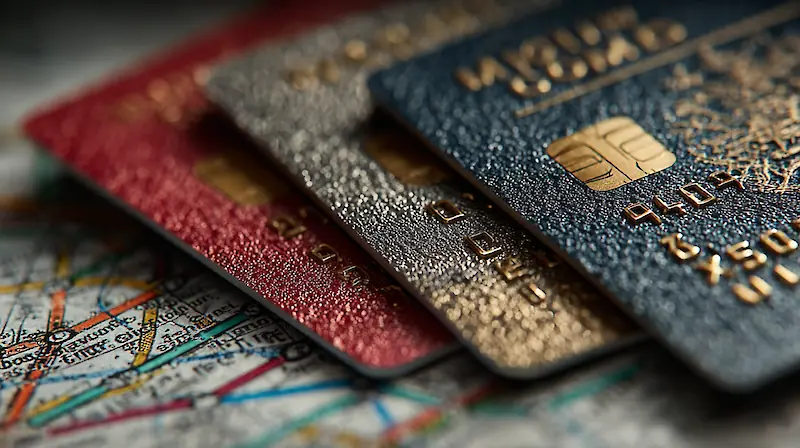
There are several types of cards, but for tourists, three are mainly relevant. Your choice depends on the duration of your trip and your travel plans.
- Red Ticket: a ticket to "try it out." Ideal if your plans involve just one or two metro trips over the weekend. Think of it as a single-use ticket: use it and forget it.
- Silver Card: your “pass” for every occasion. Don’t rack your brains: in 99% of tourist scenarios, this is exactly what you need. A versatile, reloadable card that becomes your key to all forms of public transport. If you’re in Dubai for more than a couple of days and don’t want to constantly worry about tickets, grab it without hesitation.
- Gold Card: an upgrade to business class. For those who dislike cramped spaces and are willing to pay extra for comfort, leather seats, and the best panoramic view from the front car. Remember: you’ll pay exactly twice as much for these privileges.
- Blue Card: A personalized card with a photo, primarily intended for UAE residents. Tourists do not need it.
Comparison of Nol cards
| Card Type | For Whom? | Key Benefits | What to Keep in Mind? |
|---|---|---|---|
| Red Ticket | Tourists staying 1–2 days, infrequent trips | Minimal initial cost (2 AED) | Can hold no more than 10 trips; non-reloadable |
| Silver Card | Most tourists (staying 3+ days) | Versatile, reloadable, cost-effective for frequent trips | Initial cost 25 AED (19 AED credited to the balance) |
| Gold Card | Travelers who value comfort | Access to premium Gold Class carriages | Fare is twice as high as on the Silver Card |
Rail transport in Dubai: Metro and tram
Metro: A Journey with a Glimpse into the Future
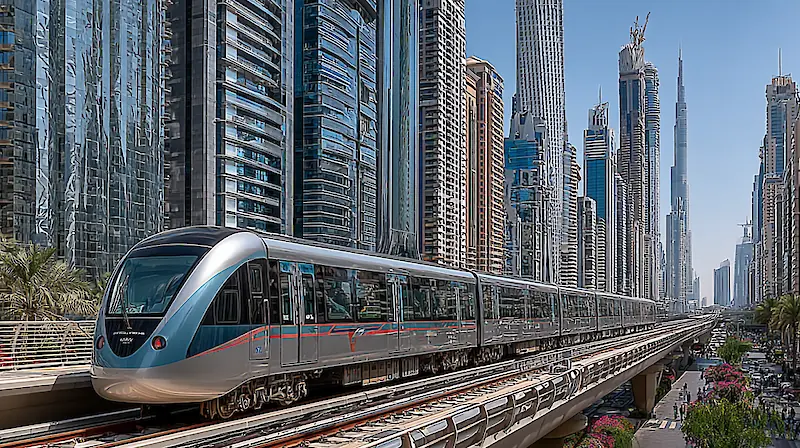
The Dubai Metro is the first thing that makes you believe you’ve stepped into the future. Imagine: driverless trains glide silently along elevated tracks above the city, and you stand in the front car by a panoramic window, with a breathtaking cinematic view unfolding before you, featuring skyscrapers as the main stars. It’s both a high-speed transport system and a sightseeing tour. The impeccable cleanliness of the stations and train cars only enhances this experience. The system consists of two main lines:
- Red Line: Runs through the entire city along the main artery Sheikh Zayed Road, connecting the airport (DXB), Dubai Mall, Burj Khalifa, and the Dubai Marina area.
- Green Line: Covers the historic districts in Deira and Bur Dubai, where the gold and spice markets are located.
For added comfort, the metro features special carriages. The Gold Class carriages, located at the front of the train, offer leather seats and more spacious interiors. There are also separate carriages for women and children only, providing a more tranquil ride.
Who’s behind this?: Behind the flawless operation of the entire transport system stands the Roads and Transport Authority (RTA). Since 2005, this organization has been transforming Dubai into a model smart city, where getting around is part of the overall experience.
Tram: an elegant route along the coastline
The Dubai tram is a slower, more intimate, and “atmospheric” mode of transport. Its single route runs in a loop through the most upscale districts—Dubai Marina and Jumeirah Beach Residence (JBR)—making it ideal for a leisurely ride along the coastline. A unique feature of the tram is its fully air-conditioned, futuristic stops with automatic doors that open in sync with the doors of the arriving car. So even at +45°C, you’ll wait for your tram in pleasant coolness, just like in a hotel lobby. The tram is conveniently connected to metro stations, allowing for easy transfers between different modes of transport.
Surface fleet: Taxis and ride-sharing (Careem/Uber)
RTA Official Taxi: reliability and affordability
Beige sedans with colored roofs are the official RTA taxis, the true workhorses of Dubai’s transportation system. They are ubiquitous, operate around the clock, strictly use the meter, and are utterly reliable. Spot a cream-colored car—feel free to hail it; it’s your simplest and most straightforward way to get anywhere. You can catch a cab by simply raising your hand on the street, find one at one of the many official taxi stands near malls and hotels, or call one via mobile apps.
Careem and Uber: digital convenience
In addition to the official taxis, Dubai also offers a wide range of international ride-sharing services, such as Uber, and its local counterpart Careem. Their main advantage is convenience and transparency. You can see the exact cost of your trip in advance, choose the car class, pay for the trip with a card in the app, and track the driver's movement in real time.
Choosing a strategy: When to use the metro and when to use a taxi
Every tourist wonders: when is it worth taking the metro, and when is it better to call a taxi? The answer depends on your route, the time of day, and your budget.
| Parameter | Public Transport (Metro/Tram) | Taxi / Ridesharing (Uber, Careem) | Car Rental |
|---|---|---|---|
| Price (average trip) | Low (3–8 AED) | Medium (25–50 AED) | High (rental + fuel + parking) |
| Speed (peak hours) | High (not affected by traffic) | Low (affected by traffic) | Low (affected by traffic) |
| Convenience ("door-to-door") | Low | High | High |
| Coverage | Limited (key areas) | Full | Full |
Ideal Scenarios:
- Metro/Tram: Ideal for trips along major highways (Sheikh Zayed Road), to large shopping centers (Dubai Mall, Mall of the Emirates), and from the airport, especially during peak hours when the city is stuck in traffic.
- Taxi/Careem/Uber — your "carriage to the door." Use them when you need to travel the last 1–2 kilometers from the metro station to your hotel with luggage. When you're heading to Jumeirah Beach or another area not served by rail. When it's midnight and the metro has already stopped running. And, of course, when you're traveling with young children, where comfort is more important than saving money.
- Car rental: Ideal for trips outside the city (e.g., to Abu Dhabi or the desert) or for large families who value complete independence in their travel.
What do people praise about Dubai’s transport?: Travelers from around the world are thrilled by the futuristic driverless trains, the impeccable cleanliness of stations and carriages, and the very affordable fares. This is one of those cases where public transport itself is part of the city’s wow factor.
What do passengers complain about?: Be prepared for two main disappointments. First—peak hours, when a metro carriage turns into a real anthill, and comfort is out of the question. Second—the ‘under-travel syndrome’: the metro is the skeleton, not the circulatory system. It will take you to the district, but not right to the door of many popular spots (such as La Mer beach or City Walk). A short taxi ride at the end is often unavoidable.
Planning your trips: Tips and essential rules
Golden rules for passengers: how to avoid fines
Dubai’s transport system maintains an almost sterile level of order, and violations are punished swiftly and inevitably with fines in dirhams. To ensure your trip doesn’t end with an unpleasant encounter with an inspector and a lighter wallet, here’s a list of key “don’ts” that you should memorize like a mantra:
- Eating, drinking, or chewing gum: Fine—100 AED.
- Sleeping at stations or stops: Fine—300 AED.
- Riding in the “wrong” carriage: A man riding in a women’s carriage or using a Silver card in a Gold Class carriage is subject to a fine of 100 AED.
- Smoking and carrying alcohol: Strictly prohibited.
- Improper use of emergency equipment: Fine—2000 AED.
The fines listed are current at the time of writing. It is recommended to check the official RTA information.
Life hacks for smart travelers
- Mobile apps: Be sure to download the official RTA Dubai and S'hail apps. They allow you to plan routes in real time, track vehicle movements, top up your Nol card balance, and call a taxi.
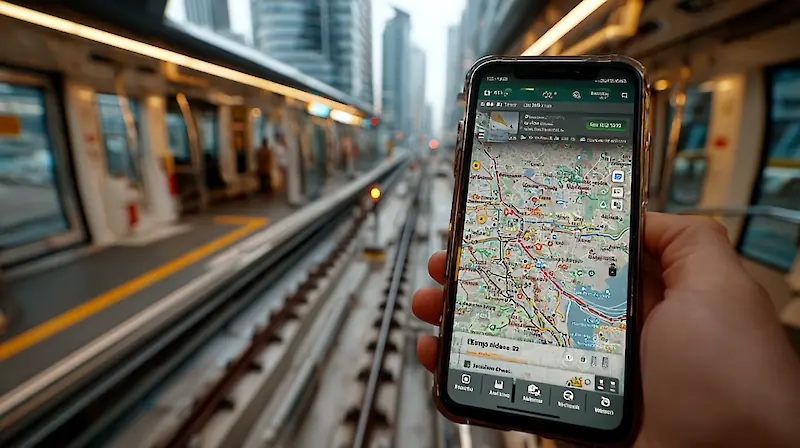
- Combined approach: The most effective strategy for getting around Dubai is “metro + taxi.” Take the metro to the station closest to your destination, then cover the remaining 1–3 kilometers by taxi. This is almost always faster and cheaper than taking a taxi across the entire city through traffic jams.
- Beware of peak hours! Remember these times: 7:00–9:00 and 17:00–19:00. During these hours, the metro turns into a real endurance test. If you can’t avoid traveling during peak hours, your only chance to catch your breath is either the Gold Class carriage (if you don’t mind the cost) or the women’s carriage (if you’re a woman). In all other cases, it’s better to grab a coffee and wait out the rush.
Caution, rush hour!: The golden rule for getting around Dubai: try to avoid the metro between 7:00 and 9:00 a.m. and between 5:00 and 7:00 p.m. During these times, the carriages are so crowded that it's hard to call the journey comfortable. Plan your trips for less busy hours.
Operating hours and fare zones
- Operating hours:
Metro: from 5:00 a.m. to 12:00 a.m. (on Fridays until 1:00 a.m.).
Tram: from 5:00 a.m. to 11:59 p.m.
Buses: most routes operate from 4:00 a.m. to 11:00 p.m., but some run around the clock.
Important: during the holy month of Ramadan and on public holidays, the operating schedule may change. Always check the current timetable in the S'hail app or on the official RTA website. - Fare zones: The cost of a trip depends on the number of fare zones crossed (there are 7 zones in total). For example, with a Silver Card, a trip within two zones costs 3 AED, while a route crossing all seven zones costs 7.5 AED. Zone maps are available at every station, making it easy to navigate.
Assembling Dubai's transport puzzle
So, Dubai's transport puzzle is now complete. Yes, the system may seem confusing at first, but you now have all the keys to unlock it. The main secret to conquering this city is simple: don't rely on just one mode of transport. Think like a local: cover long distances underground and above ground by metro, and for the final, precise "push" to your destination, take a comfortable taxi. It is precisely this “metro + taxi” combination that is your key advantage in the fight against traffic jams and unnecessary expenses. The system is not standing still and continues to evolve. The Blue Line metro project has already been announced, with a planned launch in 2029. This demonstrates that Dubai remains committed to staying a benchmark for urban mobility. One final tip: before every trip from your hotel, plan your route in the S’hail app. This digital assistant will suggest the optimal transport combination, provide an accurate cost estimate, and help you save the most valuable assets on any trip—your time and money.









Comments