

Driverless metro trains, air-conditioned stops, and boats for just a dirham. Your guide to Dubai’s transport system, which is an attraction in its own right.
A driverless train soaring above an eight-lane highway. A bus stop with icy air conditioning in the middle of a 40-degree heatwave. In Dubai, transportation is not just a way to get from point A to point B; it’s a full-fledged attraction that surprises, delights, and sometimes leaves you baffled. At first glance, navigating this web of elevated roads, lines, and routes might seem like a task for a logistics genius. But in reality, all you need is one card and a few smart tricks to turn the city’s transport system into your best ally and start exploring Dubai for real.
First things first: the Nol card. Without it, you’re on foot
In Dubai, all roads lead to the Nol card. It’s your all-in-one travel pass and electronic wallet that gives you access to the metro, buses, trams, and even water taxis. Of course, you can manage without it by buying single-use tickets each time, but that’s time-consuming, inconvenient, and more expensive. So consider the Nol your first and most important purchase in the city. The fare system is based on crossing transport zones, but you don’t need to dive into the details: just tap the card on the validator when you enter and exit, and the system will calculate the fare automatically. There are several types of cards, but tourists should pay attention to three main ones:
- Red Ticket: A paper, single-use ticket designed for multiple trips. It’s suitable if you plan to use public transport only once or twice during your trip and won’t need to worry about it again.
- Silver Card: A rechargeable plastic card. This is the most versatile and recommended option for most tourists. It is convenient, cost-effective, and provides access to all types of public transport.
- Gold Card: Similar to the Silver Card, but with an important bonus: it grants access to Gold Class carriages with enhanced comfort on the metro and tram.
You can buy and top up a Nol card at ticket offices and vending machines at any metro station, as well as through official mobile apps.
Your all-in-one travel pass: The Nol card is not just a ticket for the metro, tram, and buses. You can also use it to pay for RTA parking, water transport rides, and even certain taxis, making it a truly indispensable tool for travelers.
Your navigator in your smartphone: Three key apps
To feel right at home in Dubai’s transport network, install several useful apps on your smartphone:
- S'hail: The official app from the Roads and Transport Authority (RTA). This is the best tool for route planning, combining all modes of transport—from subways and buses to taxis and trams—to offer you the fastest and most convenient route.
- Google maps: A familiar and convenient service that integrates seamlessly with Dubai’s public transportation system. It displays timetables, route numbers, and helps you navigate the area.
- Careem / Uber: Indispensable apps for booking taxis and private drivers. The main advantage is the ability to know the exact cost of a ride before it begins, without having to rely on finding an available car on the street.
Types of public transportation in Dubai
Metro: A city tour above ground at the price of a ride
Dubai’s metro is an attraction in its own right. Forget underground tunnels: here, driverless trains glide along elevated tracks above the famous Sheikh Zayed Road, turning every journey into a panoramic tour. As you ride, futuristic skyscrapers flash past your window, while inside you’re greeted by sterile cleanliness and the Arctic chill of air conditioning, which shields you from the scorching heat outside. This is perhaps the fastest and most spectacular way to cross the city.
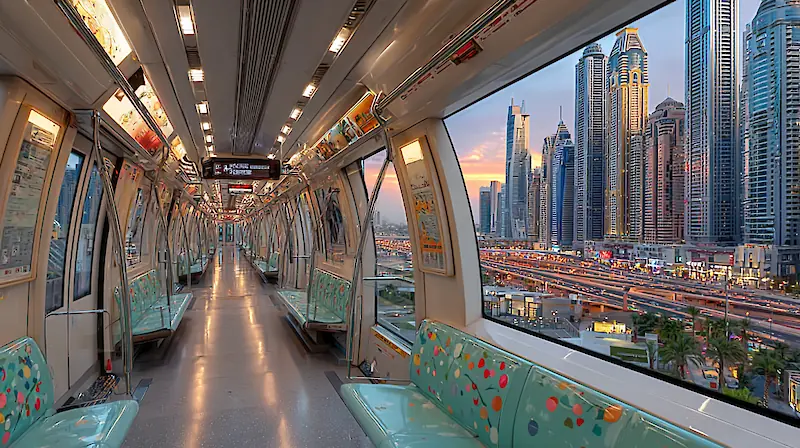
Inside the train, carriages are divided into three types:
- Gold Class: Located at the front of the train, these carriages feature more spacious leather seats and, most importantly, the best panoramic view through the windshield. A Nol Gold card is required to ride in this class.
- Silver Class: Standard carriages used by the majority of passengers.
- Women and children carriages: Special sections designated exclusively for women and children (boys up to a certain age). This provides additional comfort and safety for traveling families and single women.
World record holder: The Dubai Metro is listed in the Guinness Book of World Records as one of the longest fully automated rail systems in the world.
Best spots for photos: To capture stunning aerial views of the city without the driver in the frame, take seats in the very first carriage (if you have a Gold card) or in the very last carriage of the train. From there, you’ll enjoy the best panoramic view of the tracks stretching into the distance and the cityscapes.
Dubai Tram: a scenic route through Dubai Marina and JBR
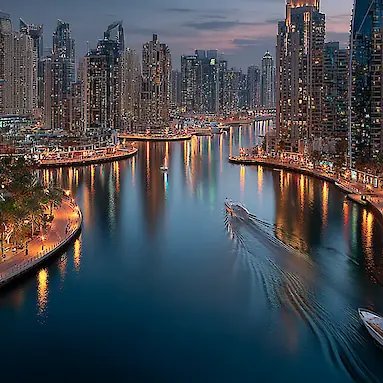
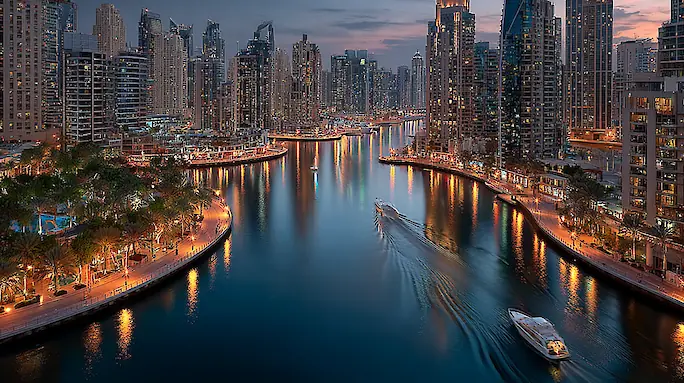
This is the most photogenic and relaxing way to explore the coastal areas of Dubai Marina and Jumeirah Beach Residence (JBR). The tram glides leisurely past yachts and skyscrapers, allowing you to take in every detail. The tram plays a key role in connecting metro stations with popular attractions such as JBR beaches, The Walk promenade, and the monorail station leading to Palm Jumeirah Island. It's important to remember that crossing tram tracks is strictly regulated, and serious fines are imposed for traffic violations, both for drivers and pedestrians.
Convenient transfer: Transferring between the metro and the tram—and back—is very convenient at Sobha Realty and DMCC stations. Your journey will be considered a single trip if you make the transfer within 30 minutes, allowing you to save significantly on fares.
Bus Network: reaching where the metro doesn’t go
If the metro is Dubai's arteries, then buses are its capillaries, reaching places where rails don't extend. It's by bus that you'll get to Jumeirah beaches, the Miracle Garden, or the Global Village fair. Forget stereotypes: the buses here are modern, air-conditioned vehicles, and the bus shelters resemble cool, air-conditioned havens that protect you from the heat.
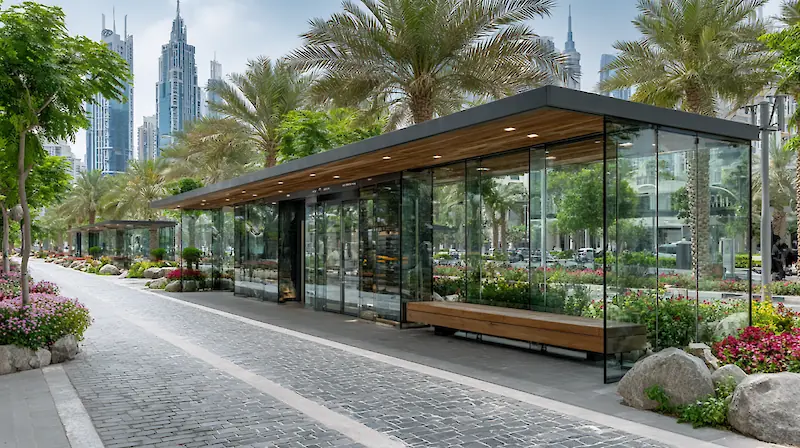
Nol card only: Important note: You cannot pay the bus fare in cash to the driver. To board, you must tap your pre-loaded Nol card on the validator. Make sure you have sufficient funds on your card before your trip.
Taxis and ride-sharing: door-to-door comfort
When speed and convenience are a priority, a taxi is the best solution. In Dubai, there are two main options:
- RTA Taxi: Official city taxis are easily recognizable by their cream-colored bodies and colored roofs. They operate strictly by meter, are reliable, and can be found throughout the city. For women traveling alone or with children, a special "Pink Taxis" service is available, featuring female drivers.
- Uber/Careem: International and local ride-hailing apps. The fare may be slightly higher than that of an official taxi, but you know it in advance, and payment is automatically charged to your linked card.
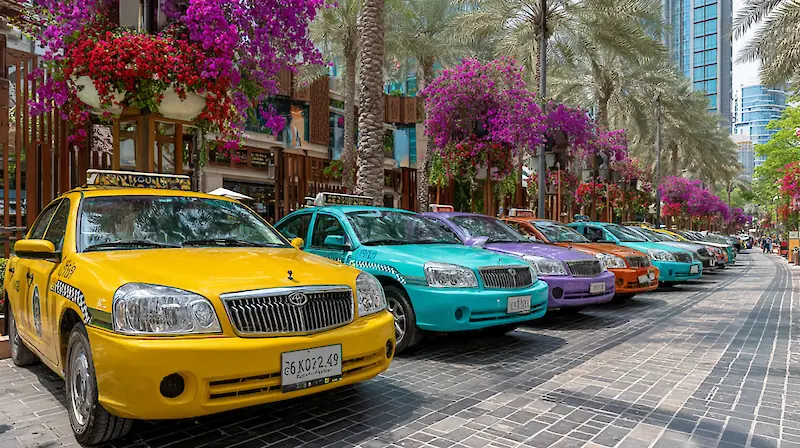
Beware of traffic jams: When planning a taxi ride, consider peak hours—mornings and evenings on weekdays. Traffic jams can significantly increase not only travel time but also the final fare charged by the meter.
Water transport: Dubai from the water, from tradition to modernity
Traveling by water in Dubai is not just a way to get from point A to point B; it’s a full-fledged excursion.
Abra-the soul of old Dubai
Want to teleport for five minutes from 21st-century Dubai to Dubai of the past? Hop into an abra. This simple wooden boat, smelling of wood and diesel, zips across Dubai Creek, connecting Deira’s markets with Bur Dubai’s textile shops. For just one dirham, you don’t just get a ferry ride—you get a journey through time: cargo-laden dhows drift past, seagulls cry out, and the call to prayer echoes from the shorelines. It’s the cheapest and most authentic attraction in the city.
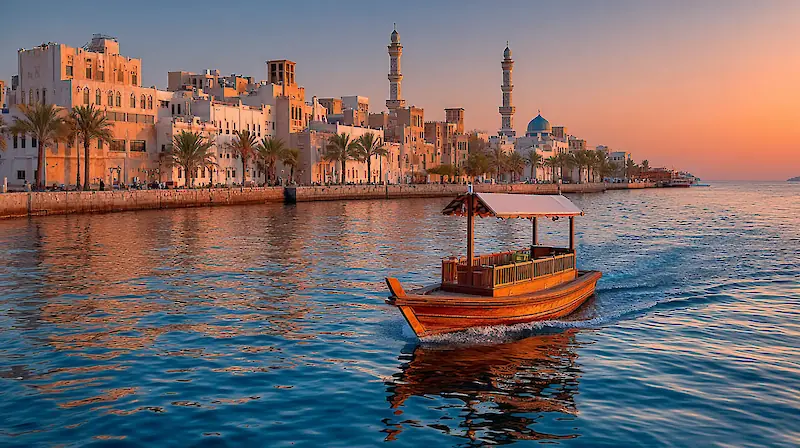
Water taxis and ferries: a modern take on the creek
For longer and more comfortable water journeys, there are modern boats, water taxis and Dubai Ferry ferries. They operate on longer routes, such as from Dubai Marina to the historic part of the city, allowing you to see famous landmarks from an unusual perspective.
So which mode of transport should you choose? A quick guide
- If your budget is tight and you have plenty of time, your best bet is the unbeatable combination of the metro and buses. This way, you can reach almost anywhere for next to nothing.
- If every minute counts, combine modes: take the metro to travel between districts, and use a taxi for short trips “from the metro to your door” (just avoid peak hours!).
- If you’re traveling with children, a taxi often becomes your best friend. No transfers, no tantrums on platforms, and guaranteed comfort.
- If you’re craving authenticity, your path leads to the abra boat dock on Dubai Creek.
- If you’re a wildlife enthusiast, grab a seat by the window in the first metro car (with a Gold card) or buy a ticket on the Dubai Ferry.
Important rules: Etiquette on Dubai’s transport
To ensure a smooth journey, follow a few simple rules:
- Eating, drinking (even water), and chewing gum are strictly prohibited on the metro, trams, and buses. Violations are punishable by a fine.
- Always queue up when boarding public transport.
- Respect other passengers’ personal space. Women-only and family-only carriages are reserved for women and boys below a certain age; men are not allowed in these sections.
- Refrain from photographing or filming other people without their explicit consent.
Transport as a reflection of Dubai’s DNA
Ultimately, transport in Dubai is much more than just a means of getting around. It’s the first and most vivid lesson in how this city works: here, the future coexists with the past, efficiency is elevated to an art form, and comfort is thoughtfully designed down to the smallest details, such as air conditioning at bus stops. By learning how to tap your Nol card at turnstiles, plan routes using the app, and choose between a panoramic view from a metro car and the scent of spices from an abra boat, you truly begin to understand the DNA of this place. You stop being just a tourist paying for a taxi and become someone who knows how this city actually lives, moves, and breathes. And that, perhaps, is the best impression you can take home from your trip.










Comments