
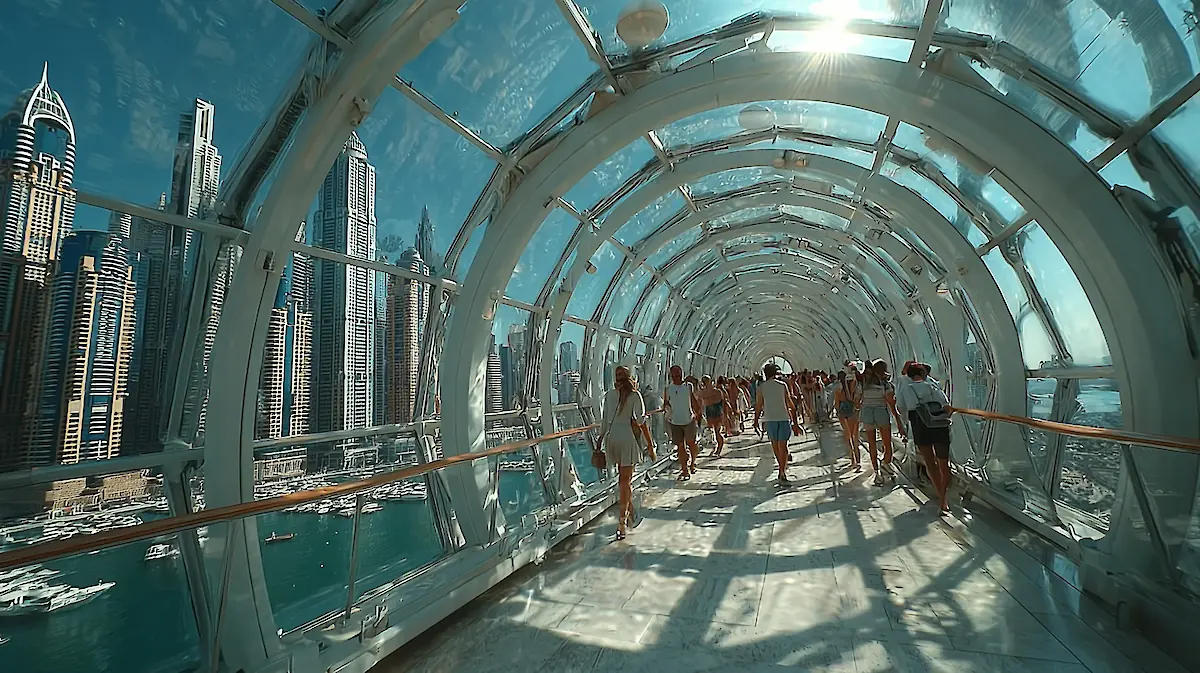
From historic markets to futuristic skyscrapers, everything is just a stone’s throw from the metro station. Discover the city by choosing the right base for your travels.
Imagine stepping into a cool, driverless Dubai Metro car, leaving behind the hot air of Deira, infused with the aromas of spices and cardamom. In just twenty minutes of silent flight above the ground, the old world outside the window gives way to the future. Instead of low mud-brick walls, you’re greeted by a gleaming forest of glass and steel, pierced by the needle-like Burj Khalifa. This is the magic of Dubai that a single metro ride brings to you. Forget about the metro as just a means of getting from point A to point B. In Dubai, it’s a true silver thread weaving through the city across time, connecting the mud-brick walls of old neighborhoods with the mirrored peaks of the future and making exploration of this megacity incredibly convenient. Choosing a hotel near the metro is your key to an efficient and enriching trip.
This guide will serve as your navigator through “Metro-Dubai”: we’ll break down the best neighborhoods, help you pick the ideal option for any budget and style of vacation, and provide all the practical tips you need.
Fact from history: The Dubai Metro, which opened on September 9, 2009, became the first metro system on the Arabian Peninsula and forever transformed the city’s tourist landscape by connecting its past and future.
A guide to neighborhoods near the metro: from the soul of the old city to the glamour of skyscrapers
Deira and Bur Dubai: the pulse of the real east
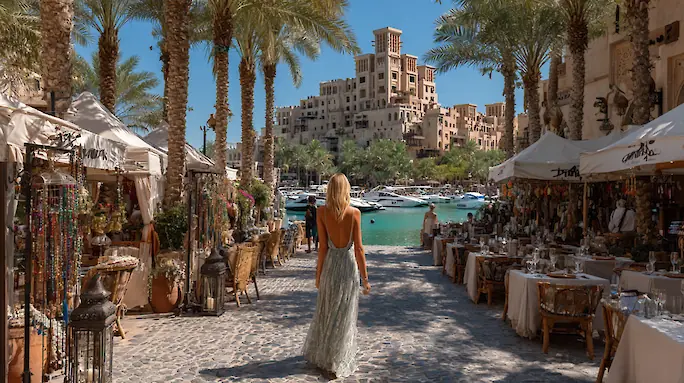
Atmosphere and vibe: Forget the glitz of skyscrapers for a moment, here beats the raw, unfiltered heart of old Dubai. It’s a labyrinth of narrow streets where the air smells of saffron and freshly baked bread, where people haggle in five different languages over a silk scarf, and where the creak of an old abra boat crossing the creek drowns out the roar of a Ferrari.
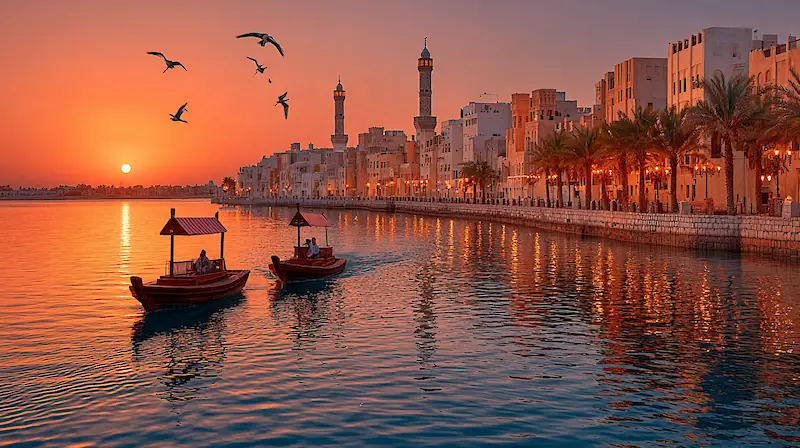
What to see and do: Be sure to visit the famous Gold Souk and Spice Souk (Al Ras station), where you can find everything from saffron to jewelry. Cross Dubai Creek on a wooden abra boat for just a couple of dirhams and immerse yourself in history as you explore the Al Fahidi neighborhood.
Where to eat: These neighborhoods are a true treasure for foodies seeking authentic, affordable cuisine. Stop by the legendary Pakistani restaurant Ravi Restaurant to sample dishes that are loved by both locals and tourists alike.
Shopping: Forget about fixed prices. The main shopping hubs here are traditional markets (souks), where bargaining is not only allowed but expected. It’s a vibrant and exhilarating part of the local cultural experience.
Verdict for the traveler: The perfect choice for budget-conscious travelers, history buffs, and those who appreciate an authentic atmosphere. Pros: low accommodation prices, proximity to the airport and markets. Cons: constant noise and hustle may not suit those seeking peace and quiet.
Downtown and Business Bay: at the epicenter of ambition
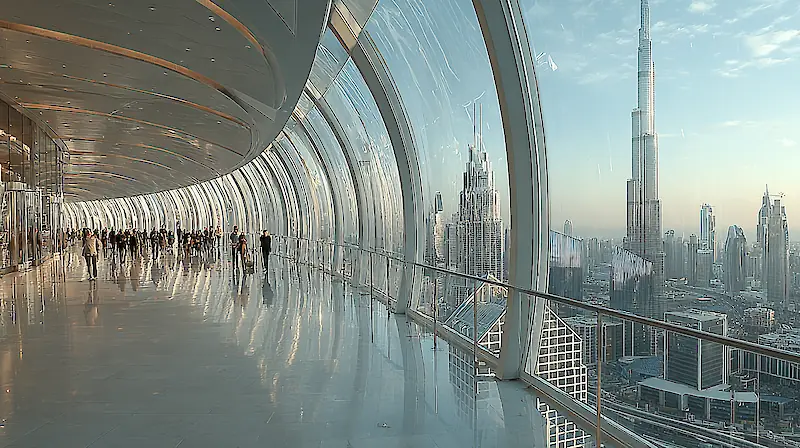
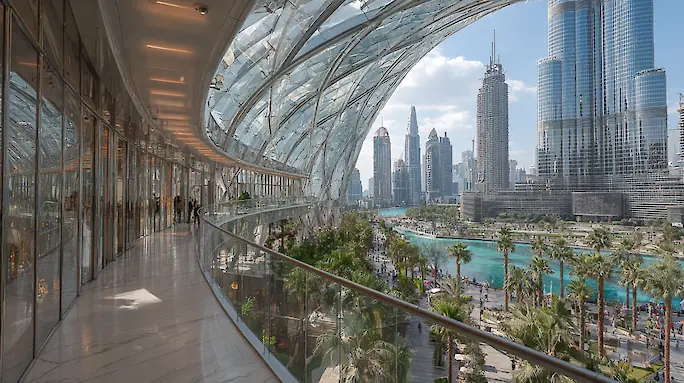
Atmosphere and vibe: Welcome to the ultra-modern, business-oriented, and glamorous center of "new Dubai." This is a showcase of the emirate's ambitions, where you are surrounded by true "canyons" of glass and steel skyscrapers. At night, the district transforms into a dazzling kaleidoscope of lights, and the panoramic views are breathtaking.
What to see and do: The city's main landmarks are located here. Climb to the observation deck of the world's tallest building, Burj Khalifa, stroll through the giant Dubai Mall shopping center, and enjoy the evening Fountain Show (all accessible from Burj Khalifa/Dubai Mall station). Art lovers can visit the Dubai Opera.
Where to eat: Downtown's gastronomic scene can dazzle anyone: within just one square kilometer, you'll find Michelin-starred restaurants where dinner costs as much as an airline ticket, alongside the massive food court at Dubai Mall, where you can take a culinary journey around the world by sampling dishes from thirty different countries.
Shopping: If shopping is your sport, then Downtown is your Olympic village. Dubai Mall alone can keep you occupied for an entire day, offering every conceivable brand, from H&M to Hermès.
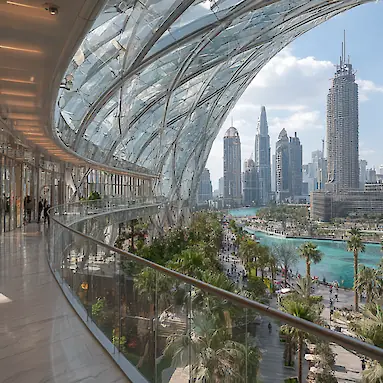
Dubai’s specialty: shopping without the heat: The ability to step from a cool metro car straight into the air-conditioned shopping paradise of a mall is a unique feature of Dubai that makes shopping comfortable even on the hottest days.
Verdict for travelers: For those who want to be at the heart of the action, luxury enthusiasts, and avid shoppers. Pros: all the city’s main attractions are within walking distance. Cons: be prepared for high prices on accommodation and dining.
Dubai Marina and JBR: glamour by the water
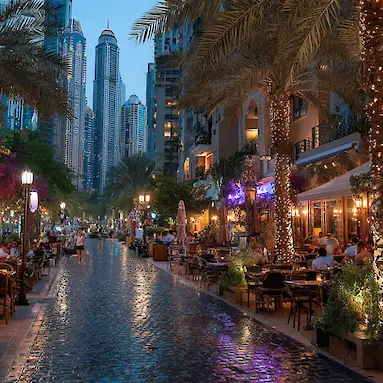
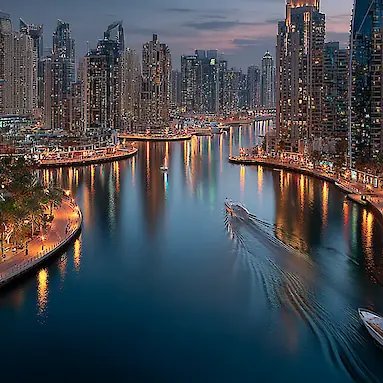
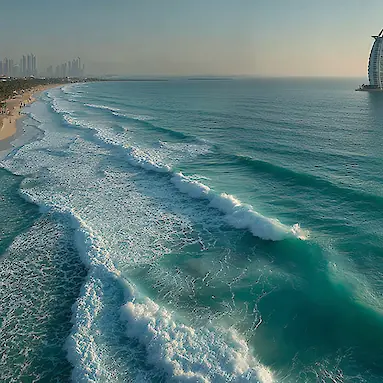
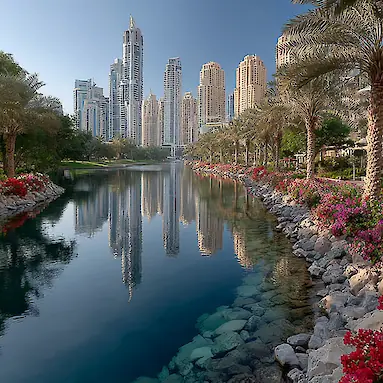
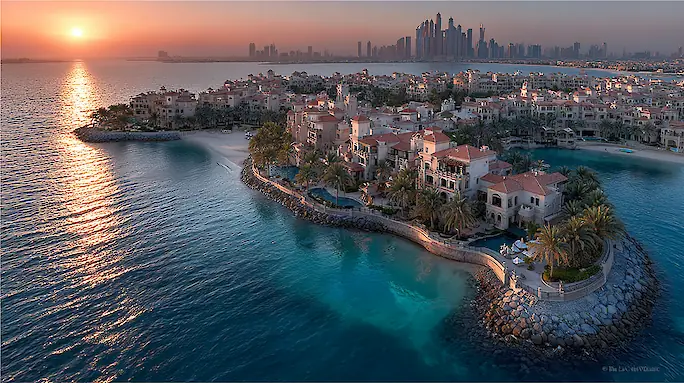
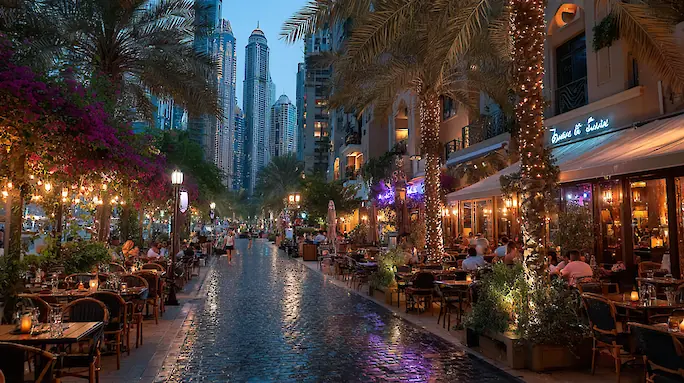
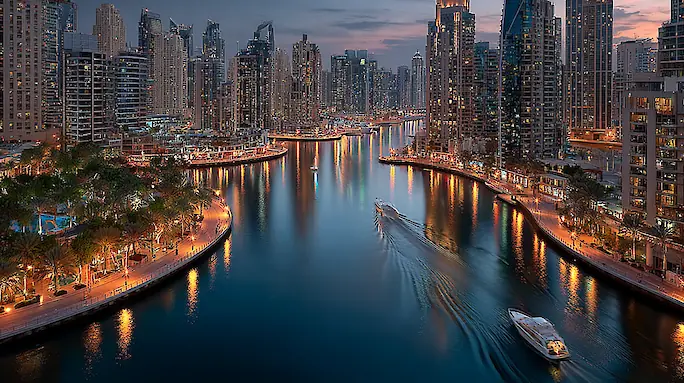
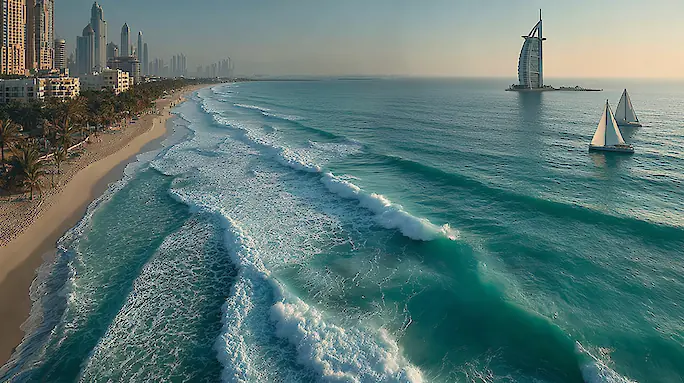
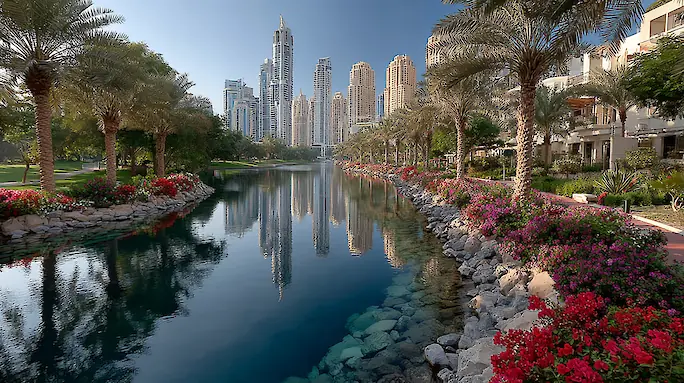
Atmosphere and vibe: This district offers a unique blend of urban energy and beachside relaxation. Stunning views of skyscrapers surrounding the man-made canal, dotted with pristine white yachts, create a stylish yet laid-back atmosphere. It’s the perfect place for leisurely strolls along the waterfront.
What to see and do: The main attraction is the picturesque Dubai Marina Walk promenade. From here, you can take a yacht cruise or simply enjoy the views. To reach the popular The Beach at JBR, just hop on a short tram ride from the nearest metro station.
Where to eat: Along the canal, you’ll find a wide variety of cafés and mid-range restaurants. Dining with a view of the skyscrapers’ lights and passing yachts is a must-do.
Shopping: In addition to the boutiques along the promenade, the area is home to the large Dubai Marina Mall, offering a good selection of shops.
Verdict for travelers: An excellent choice for young people, families, and anyone who enjoys beautiful views and strolls by the water. Pros: well-developed entertainment infrastructure and proximity to the beach. Cons: geographical location. Be prepared for a metro ride to Downtown (Dubai Mall) to take about 20–25 minutes, and to the old city (Deira) to take as long as 40–45 minutes. This should be taken into account when planning daily itineraries.
Al Barsha: a pragmatic choice for smart travelers
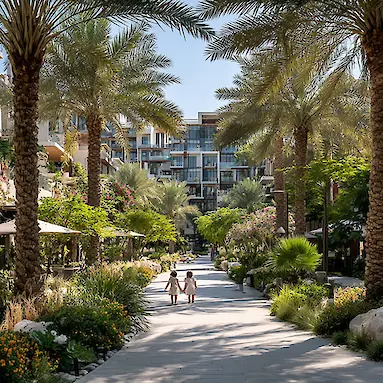
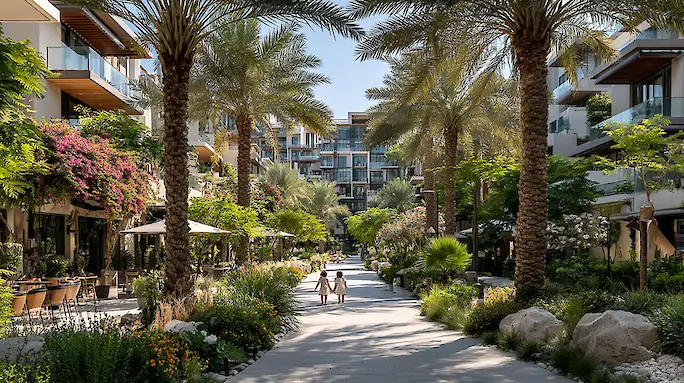
Atmosphere and vibe: Al Barsha is a quiet, predominantly residential area without ostentatious tourist glamour, yet with superb infrastructure. It can be described as the “golden mean” in every respect: location, prices, and convenience.
What to see and do: The main attraction of the area is the Mall of the Emirates shopping mall, which is famous not only for its shops but also for the real indoor ski resort Ski Dubai. An exit leading directly to the mall is located right at the Mall of the Emirates metro station.
Where to eat: Here you will find a wide range of affordable cafés and restaurants catering to both locals and budget-conscious tourists.
Shopping: The Mall of the Emirates is a true city within a city, where hundreds of stores for every taste and budget coexist under one roof, and where you can just as easily buy a designer handbag as groceries for the week at the massive Carrefour.
Verdict for travelers: Ideal for practical tourists and families looking for the best value for money. Pros: affordable hotels and a convenient location right in the middle between the Marina and Downtown. Cons: the area itself lacks a "wow factor" and iconic landmarks.
Planning your trip: practical tips and life hacks
When is the best time to visit and how should you get around?
Seasonality: The best time to visit Dubai is from October to April, when the weather is comfortable. Summers are extremely hot, but this is the low season, meaning hotel prices are significantly lower.
Events: When planning your trip, consider major events. In December–January, the famous Shopping Festival takes place, attracting large crowds of tourists. During the holy month of Ramadan, certain restrictions apply (for example, on eating and drinking in public places during the day).
Transportation: Your main helper is the rechargeable transport card, the Nol Card. Purchase the Silver card—trips on the metro, buses, and trams will be much cheaper with it than with single-use tickets.
Trip budget and ways to save money
What Should You Focus On?: We’ve estimated three scenarios for a daily budget per person (excluding accommodation). Please note that these are approximate prices as of the time this article was written; always check current costs before you travel.
- “Smart Budget” Mode (200–350 AED): Your day consists of a delicious shawarma or biryani at the food court, all transportation by metro, and entertainment such as strolling along the waterfronts, watching the fountain shows, and exploring the markets. Maximize your experiences while keeping expenses to a minimum.
- “Goldilocks” Mode (500–800 AED): You can afford lunch at a cozy café, one or two taxi rides to save time, and a visit to a paid attraction, such as an observation deck.
- “Go All Out” Mode (from 1200 AED): Dinner at a panoramic restaurant, unlimited taxi use, and a packed itinerary with visits to several attractions or theme parks, your budget is limited only by your desires.
Life Hacks:
- Buy water at supermarkets: In tourist areas, a bottle of water can cost several times more than in Carrefour or LuLu stores.
- Look for business lunches: On weekdays, many restaurants offer set lunch menus at a great fixed price.
- Download The Entertainer app: It offers “buy one, get one free” coupons for restaurants, entertainment, and services and can pay for itself after just a few uses.
Safety, etiquette, and useful contacts
Rules: Dubai is a very safe city, but respecting local culture is essential. In public places (malls, markets), wear clothing that covers your shoulders and knees. Alcohol is permitted only in licensed establishments (bars and restaurants at hotels). Do not photograph people without their permission.
Communications: Free Wi-Fi is available at metro stations and in shopping malls. For constant internet access, it’s convenient to buy a local SIM card directly at the airport.
Useful apps:
- RTA Dubai: for planning routes on public transport.
- Careem (or Uber): for ordering taxis.
- Talabat: for food delivery from most restaurants in the city.
Important to know: Tourist tax: When planning your hotel budget, don’t forget about the mandatory tourist tax (Tourism Dirham). It is charged per night, and the amount depends on the hotel category. You should check the exact amount on the hotel’s website or when booking.
Your ticket to “Metro-Dubai”
The perfect itinerary for you?
Choosing a hotel near the metro will be an ideal solution for active and independent travelers, families with children who want to see as much as possible, and shopping tourists. If, however, you’re looking for a secluded all-inclusive beach vacation and don’t plan to leave the hotel often, you might want to consider other options.
The main advantages of the “metro strategy”:
- Saving money on taxis and time on travel.
- Comfortable travel in air-conditioned train cars.
- The opportunity to easily experience a completely diverse Dubai—ranging from its rich history to its futuristic skyline.
Things to consider in advance:
- Potential distance from the beach (if you’re not staying in the Marina area).
- The need to plan routes and transfers carefully.
Key takeaway
Choosing a district near the metro is the most efficient way to see the maximum of Dubai in the shortest time and at the lowest cost. This strategy is ideal for those visiting the emirate for vibrant experiences, discoveries, and dynamic city life, rather than just for relaxing by the pool. So go ahead and grab your Nol card. Decide today what appeals to you more, the spicy chaos of the old markets or the sleek, cool glimmer of the skyscrapers. After all, the real adventure in Dubai doesn’t begin at the airport or in the hotel lobby, it begins with the sound of the subway car doors closing, ready to whisk you into the very heart of this incredible city.





Comments