

We break it all down: from dress codes in malls and pharmacy regulations to taxi tips and currency exchange tricks.
Your suitcase is almost packed: here are your shorts for the beach, and here’s your blazer for a restaurant in Burj Khalifa. But what about a plug adapter? Do you really need a VPN? And will customs let your painkiller through? Packing for Dubai is more like a race against time: you need to understand the laws in advance to avoid surprises at customs, download the right apps to avoid overpaying for taxis, and grasp a few local nuances to feel confident. This article provides a comprehensive answer to all your questions. After reading it, you’ll have two ready-made checklists: one for your “physical” luggage and one for your “digital and intellectual” luggage. They’ll make packing simple and your trip comfortable and well-planned.

Part 1: Packing your physical luggage (everything you put in your suitcase)
Wardrobe for Dubai: From the beach to the Mosque
Properly chosen clothing is your secret weapon in a city of contrasts, where you step from a scorching street (+40°C) into the icy realm of mall air conditioning (+18°C). Daytime style: The foundation of your wardrobe is lightweight, breathable clothing made from natural fabrics such as cotton and linen. Don’t forget a hat, high-quality sunglasses, and a sunscreen with a high protection factor (SPF 50+) to protect your skin from the scorching sun. “Air-Conditioning Syndrome”: Be prepared for air conditioners in shopping malls, subways, taxis, and restaurants to run at full blast. Trust us—there’s nothing more frustrating than catching a cold on vacation because you simply got too cold in a taxi or cinema. A light jacket or shawl in your bag isn’t a whim; it’s a necessity. Rules of Decency: Dubai is a modern metropolis, but it operates according to principles of respect for local culture. In public places such as malls or government offices, it is recommended to wear modest clothing that covers your shoulders and knees.
The golden rule for your wardrobe: Hesitating about what to wear? Opt for clothing that covers your shoulders and knees. This versatile tip will help you feel comfortable and appropriately dressed in most situations—from a stroll through a mall to a visit to a government office.
Visiting Mosques: When visiting religious sites, stricter rules apply. Women are required to wear long, opaque clothing that fully covers their arms and legs, and to cover their heads with a scarf.

Traveler's first aid kit: what you can and cannot bring
Important: assembling your medical kit for the UAE is one of the most critical parts of your preparation. A mistake here can be costly. You can learn more about treatment prices in private clinics in our article “Private Clinics in Dubai: When to Go There Instead of a Hospital.”
Critically important: drug laws in the UAE!: Some medications you are used to (especially strong painkillers, antidepressants, and sleeping pills) may be banned in the UAE. Before your trip, you MUST check your medications against the official list. Ignorance of the law does not exempt you from liability.
Safe basic kit: You can safely bring a standard set of over-the-counter medications. This includes painkillers based on paracetamol or ibuprofen, bandages, antiseptics, and remedies for digestive disorders.
Technology and accessories for comfort
Several useful gadgets will make your trip much more convenient. Power and compatibility: Dubai uses British Type G power outlets, so you will need a universal adapter. Also, don’t forget a portable battery (power bank) — it will save you when your phone battery treacherously shows 1% right in the middle of filming the fountains or at the moment you’re calling a taxi.
Part 2: Assembling your “Digital and Smart Luggage”
Documents and finances: the foundation of your trip
Order in your documents and finances accounts for 90% of your peace of mind on any trip. Let’s make sure you’ve got everything in order. Foreign Passport: A critical point is the expiration date of your passport. It must be valid for at least six months from the date of entry into the UAE. Check this in advance. Visa: Citizens of many countries, including Russia, enjoy a visa-free regime that allows stays of up to 90 days in the country. Nevertheless, always verify the current visa requirements for your nationality before you fly. Medical Insurance: By UAE law, insurance is mandatory for all tourists. Given the high cost of medical services (a primary doctor’s consultation can cost between 95–190 USD, and a day in a hospital starts from 300 USD), an insurance policy is not just a formality—it’s your financial safety net. Trust us, you don’t want to pay a doctor’s bill out of your own pocket—medical costs in Dubai are astronomical. Cash vs. Card: Contactless card payments are widely accepted in hotels, restaurants, and malls. However, you’ll definitely need cash dirhams (AED) for shopping at traditional markets, small cafes, and paying for rides in some taxis. Where to Exchange Money: You’ll find the most favorable exchange rates at currency exchange offices in city malls (for example, Al Ansari). The rates at the airport are less attractive, so it’s best to exchange only a small amount there for your initial expenses.
Beware: double conversion trap!: In shops or at ATMs, you may be offered the option to pay in your home country’s currency. Always refuse and choose the local currency (AED). This way, you’ll avoid an unfavorable exchange rate and save money.
Your smartphone is your main assistant in Dubai
Pre-installed apps will turn your phone into an indispensable guide to the city.
Apps you should download before your trip:
- Careem: Your primary tool for getting around the city. It’s here that you’ll find the magic Hala button, which summons the nearest official taxi at government-regulated fares, saving you money and stress.
- S'hail: The official app of the Roads and Transport Authority (RTA). Its data on bus and metro routes is often more accurate than Google Maps, helping you avoid long waits at stops.
- RTA Dubai: A must-have for those planning to rent a car. It allows you to conveniently and quickly pay for parking.
- Google Maps: A classic app that should always be at hand. Be sure to download an offline map of Dubai in case the internet decides to take a break at the most inconvenient moment.
How to stay connected: The optimal strategy is a hybrid approach. Use the free Wi-Fi available in most public places (the @WiFi UAE by du network) for general tasks, and purchase a tourist SIM card from local operators du or Etisalat for navigation and communication on the go.
Features of calling via messengers:
Why isn’t WhatsApp calling working?: In the UAE, audio and video calls are blocked in most popular messengers, including WhatsApp, FaceTime, and Telegram. To stay in touch with loved ones, install apps like BOTIM or GoChat in advance, or use a VPN.
Useful knowledge: how to get around and save money on the ground
A few life hacks will not only help you save money but also make you feel like a local in Dubai.
Navigating the city
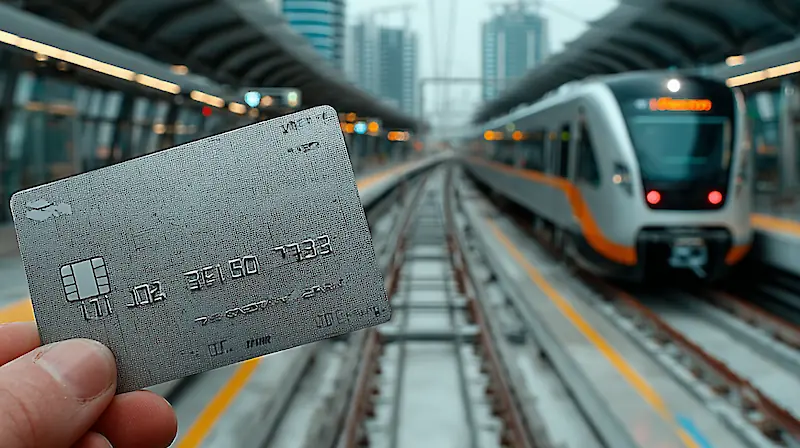
The Nol Card – your key to Dubai: This is a single card for paying for travel on the metro, buses, trams, and water transport. For tourists, the rechargeable Nol Silver card is ideal. The main rule for using Nol: if you tap it in at the entrance, be sure to tap it out at the exit—even if the turnstile is open. Otherwise, the system will charge you the fare to the final station, which you definitely don’t want. To make a trip, the card must have a minimum balance of 7.5 AED.
Taxis without overcharging: The most cost-effective way to call an official city taxi is to use the Hala option in the Careem app. You will receive the nearest available car at the standard government rate.
Gastronomic guide
Food for every budget: You can save on dining by visiting food courts in shopping malls, enjoying business lunches at restaurants on weekdays, and shopping in the ready-to-eat sections of large supermarkets such as Carrefour or Spinneys.
Gourmet secret: look for the 'Cafeteria' sign: Want to try authentic street food in Dubai? In the Deira and Bur Dubai areas, look for 'Cafeteria' establishments. This is where you’ll find the best shawarma, freshly squeezed juices, and aromatic biryani at prices that will pleasantly surprise you.
Smart shopping
The art of bargaining: On traditional gold, spice, and textile markets (souks), bargaining is an essential part of the shopping experience. Don’t hesitate to offer your own price; a realistic discount can be 20–30% off the original price.
Tax refund (Tax Free): Tourists can reclaim VAT on purchases totaling AED 250 or more through the Planet system. To do so:
- Ask the store to issue a Tax Free receipt by presenting your passport.
- At the airport, before checking in for your flight, visit a Planet kiosk with your unopened purchases and receipts for validation.
- After passing through passport control, receive your refund in cash or to your card at the Planet counter.
Final checklist: Double-check before you fly
"Physical Luggage" Checklist:
- Lightweight clothing made from natural fabrics.
- A warm sweater/scarf for air-conditioned spaces.
- Modest attire for mosques/government institutions.
- Headgear, sunglasses, SPF cream.
- “Safe” first-aid kit (checked against the list!).
- Universal adapter (type G) and power bank.
Checklist: “Digital and Smart Luggage”:
- Passport (valid for >6 months).
- Travel medical insurance.
- Bank app, cash dirhams/dollars.
- Downloaded apps (Careem, S'hail, offline maps).
- Call app (BOTIM/GoChat) or VPN.
The suitcase is packed. So are the worries
Remember that slight feeling of panic we started with? It’s gone now. In its place is a pleasant sense of confidence and anticipation. Your suitcase isn’t just packed correctly—it’s packed smartly. Dubai is waiting for well-prepared travelers. And you’re one of them now. Have a great trip!





















Comments