

A proven guide for expats: how to gather all the paperwork, sign the lease, and get the keys without a single mistake.
The process of renting a home in Dubai follows a clear and straightforward logic. However, for newcomers, it may seem complicated due to several key features: the Ejari registration system, payment by check, and the mandatory requirement of an Emirates ID. This guide is your roadmap. We won’t scare you with “bureaucratic nightmares”; instead, we’ll break down the entire process into easy-to-understand steps. In the end, you’ll have not just a set of tips but a clear action plan that will give you confidence at every stage, from your first call to the agent to receiving the keys.
The ultimate checklist what documents are needed to rent in Dubai
Let’s start with the most important part—the complete list of documents. This set of papers will be your key to a successful transaction. Make sure you have everything you need.

For UAE residents
If you already have resident status, the package of documents will be minimal:
- Passport with a valid residency visa: Ensure that your visa’s validity covers the entire rental period. This is crucial.
- Emirates ID (original and copy): This is the primary document that verifies your identity within the UAE. Without it, concluding an official lease agreement is impossible.
If you’ve just moved in (visa in progress)
It’s not uncommon to find a job but not yet receive your coveted resident plastic card. In such cases, landlords are usually willing to be accommodating if you provide:
- A letter from your employer (NOC): An official letter on company letterhead confirming your employment and stating your salary.
- A copy of your visa/Emirates ID application: This document serves as proof that the process of obtaining residency has already been initiated.
Temporary solution: Some landlords may agree to sign a lease without an Emirates ID, but with a mandatory condition: you must provide a copy of it immediately after receiving it. Make sure this clause is clearly stated in your lease agreement.
Financial documents
- Checkbook: Be prepared for a unique feature of the Dubai market: rent payments made via post-dated checks. Most often, the annual rent is split into 2, 4, or even 12 checks, which you hand over to the landlord when signing the lease.
- Bank statement (sometimes): In rare cases, especially when renting high-end property, the owner or agency may request a bank statement for the past few months to verify your financial solvency.
Criminal Liability: Not long ago, an unpaid (dishonored) check in the UAE was considered a criminal offense. Although the legislation has been relaxed, it still remains a serious financial violation that can lead to lawsuits, hefty fines, and a damaged credit history. Treat issued checks with the utmost responsibility.
Legalizing your rental registering with Ejari and connecting to DEWA
So, you now have a complete set of documents in hand. Next, use them to complete two mandatory steps to legalize your stay in the new apartment and connect essential utilities.
Step 1 registering the contract in the Ejari system
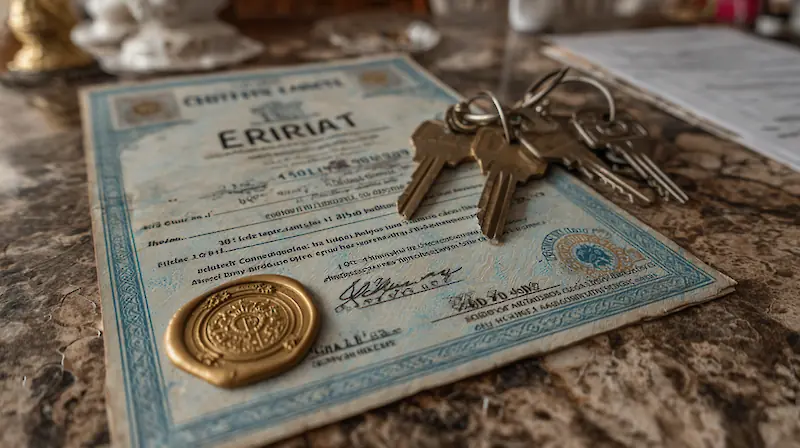
Once the lease agreement is signed, your next mandatory step is to register it in Ejari (which translates from Arabic as "my rental"). This is a government online system designed to protect the rights of both tenants and landlords. Essentially, by registering the contract, you make it official and transparent to the authorities. This step is critical: without an Ejari certificate, you will not be able to connect water and electricity (DEWA), nor even get internet service for your home. Moreover, only official registration gives you the right to appeal to government authorities to resolve any disputes with the property owner.
You will need the following for registration:
- A copy of the tenant's passport and visa
- A copy of the tenant's Emirates ID
- The original signed lease agreement
- A copy of the title deed
Step 2 connecting to DEWA (electricity and water)
After successfully registering with Ejari, you are on the final stretch toward moving in. The last step is connecting water and electricity through DEWA (Dubai Electricity and Water Authority), the state-owned monopoly. The procedure is as simple as possible: you submit an online application on DEWA's official website, pay a refundable security deposit, and receive an SMS confirmation of service activation, often on the same day.
You will need the following for connection:
- Your Ejari certificate number
- A copy of your Emirates ID
- A copy of your passport
Save time: The entire process of connecting to DEWA can be completed online on their official website or through their convenient mobile app. With all documents and your Ejari number ready, it will take no more than 10–15 minutes.
Stakeholders in the process and how to work with them
The success of a rental transaction in Dubai largely depends on a clear understanding of each stakeholder's role and proper interaction with them.
Landlord
This is the property owner. His main responsibility is to provide you with a property in proper condition and to have all legal documents for the property in hand. Your main task is to ensure that you are dealing with the actual owner.
Checking the owner: To ensure that you are signing a contract with the real homeowner and not a fraudster, always ask the agent or the owner directly for a copy of the Title Deed.
Real estate agent your main ally (if chosen correctly)
A professional RERA-certified agent is not just a "guide" but your advocate and advisor. Their role is not only to help you find an apartment but also to defend your interests during negotiations, verify the legality of the owner's documents, and ensure that the contract is properly drafted. Don't hesitate to ask them even the trickiest questions, you'll immediately gauge their level of professionalism from their responses.
Beware of scammers: Always work only with RERA-certified agents. You can verify a broker's license in a few minutes on the official website of the Dubai Land Department (DLD) or through the Dubai REST mobile app.
Tenant your area of responsibility
You are the tenant. Your key responsibilities are simple and clear: pay the rent on time according to the check schedule, maintain the property in good condition, and comply with the rules of residence established in the building and community.
Practical tips on how to avoid pitfalls
Now, here are a few insider tips that will help you save both money and nerves. Keep in mind that figures (percentages, deposit amounts) in Dubai’s dynamic market can change, so always verify them directly before finalizing a deal.
- Best time to look: The rental market in Dubai is seasonal. During the hottest months in summer, activity traditionally slows down, giving tenants more opportunities to find an attractive option at a competitive price.
- Agent’s commission: The standard real estate agent’s commission is 5% of the annual rental cost. This rate may vary, so always confirm this with your RERA-certified agent before you start working with them.
- Deposit: A security deposit is a mandatory requirement. It typically amounts to 5% of the annual rent for unfurnished apartments and 10% for furnished ones. This amount is returned to you at the end of the lease term, provided you have not caused any damage to the property.
- Negotiating is perfectly normal: In Dubai, negotiating is almost always appropriate. You can negotiate not only the annual rent but also the number of rent payments (the fewer checks, the stronger your negotiating position), the inclusion of air conditioning in the service charges, or even minor cosmetic repairs before you move in. The most compelling argument for a discount is your willingness to pay the entire rent in a single lump-sum payment.
Read the contract carefully!: Pay special attention to the clauses on early termination (usually the penalty equals two months' rent, but the terms may vary), the rules regarding pets, and the conditions for carrying out repair work. All verbal agreements with the agent or landlord must be recorded in writing in the contract.
Conclusion
As you can see, Dubai's "complex" bureaucracy turns out to be a clear and logical process. Gathering documents, finding a trusted agent, registering with Ejari, and connecting to DEWA-these are no longer daunting terms for you, but rather understandable steps on the path to your new home. The key is to approach the process without rushing, read all documents carefully, and don’t hesitate to ask questions. Follow this roadmap, and the moment you first insert the key into the door of your new Dubai apartment will not be the end of an exhausting struggle, but the well-deserved beginning of an exciting new chapter in your life.





















Comments