
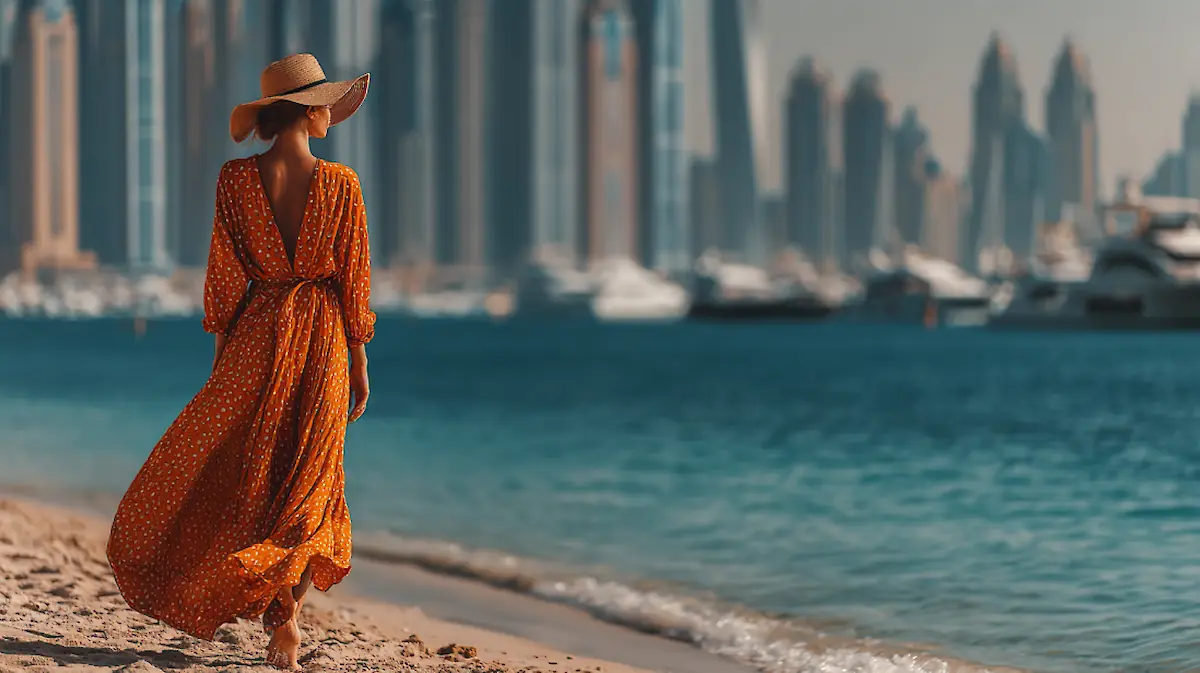
We break down the dress code, photography rules, and key prohibitions so you can feel 100% confident.
On Dubai’s beaches, you can see two eras in a single glance: a woman in a traditional abaya strolling along the water’s edge, and tourists in vibrant bikinis against the backdrop of futuristic skyscrapers. It is here, at the intersection of cultures, that a unique beach etiquette is born, making a vacation in the emirate so special.
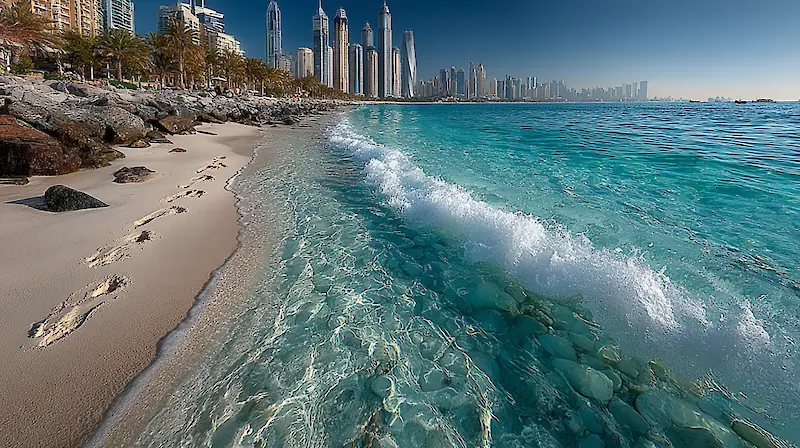
But to ensure that this dream vacation isn’t marred by misunderstandings, it’s important to remember: Dubai is an amazing blend of modernity and centuries-old traditions. The beach here is a place where freedom meets respect. Let’s be honest: Dubai’s beach rules are simpler than they seem, but ignorance of them can add unnecessary stress to your trip. To prevent this, I’ll walk you through all the key points, from choosing the right swimwear to photography rules against the backdrop of the Burj Khalifa. Think of this as a friendly cheat sheet that will make you feel right at home on Dubai’s beaches-confident, relaxed, and respectful of local traditions.
Beach dress code: What to wear while sunbathing and when to drape a pareo?
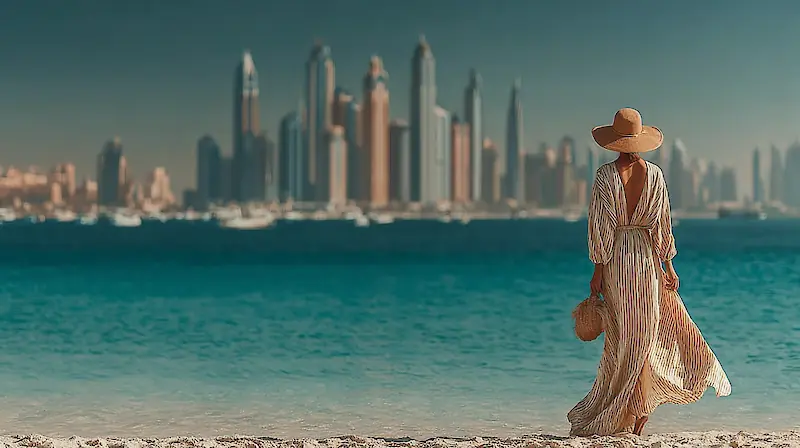
The main fear many female tourists have before traveling to Dubai: “Will I really have to sunbathe in a burqa on the beach?” Let’s dispel this myth right away. The beach dress code in the emirate is surprisingly logical and liberal, yet it comes with important nuances rooted in respect. On the beach itself, on the sand and in the water, you can confidently wear your usual beach attire. For women, this includes modern one-piece swimsuits and two-piece bikinis; for men, swim trunks or swimming shorts. In this regard, Dubai is no different from popular European resorts. However, there are a few important nuances: topless sunbathing is strictly prohibited, and you should also avoid overly revealing styles such as thongs. These rules are designed to maintain a comfortable atmosphere for everyone, including families with children vacationing here. There’s one simple principle that will help you always dress appropriately-we’ll call it the “one-step rule.” As soon as you leave the sandy area and take a step onto the promenade, toward a café or the parking lot, you must put on additional clothing. This could be a light pareo, a beach tunic, a T-shirt, or shorts. Wearing a swimsuit outside the beach area is considered inappropriate.
To make it easier to navigate, use this handy table:
| Where are you? | What should a woman wear? | What should a man wear? | What should you avoid? |
|---|---|---|---|
| On the sand by the water | One-piece swimsuits, bikinis | Swim trunks, swimming shorts | Topless, thongs, sheer clothing |
| Promenade, cafes, shops near the beach | T-shirt/tunic over swimsuit, shorts, pareo | T-shirt, shorts | In a swimsuit/swim trunks without outerwear |
Focus on respect: How to take photos without violating others' boundaries?
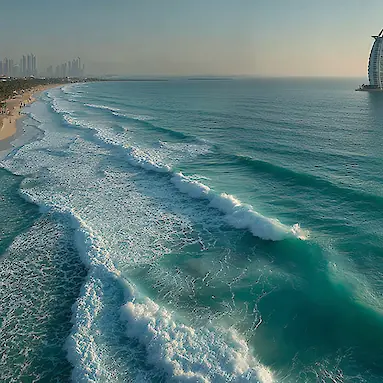
Dubai's beaches practically beg to be captured: perfect sand, turquoise water, futuristic skyscrapers on the horizon... Your hand instinctively reaches for the camera. But this is precisely where you need to remember the main principle of local photography: your camera must be selfish. Capture yourself, your loved ones, incredible landscapes—anything, but never strangers in close-up. This is not a whim; it is one of the strictest laws in the UAE, the law on the inviolability of private life. It is taken very seriously here, and respecting this law is the best way to avoid any problems. Want to take a panoramic shot of the beach? Make sure that no vacationers are in the focus of your camera. If you are photographing architecture in the background and people happen to appear in the frame, that is acceptable, but deliberately photographing strangers, especially local women, is strictly prohibited and may lead to conflict and police intervention.
Tip for photographers: The main rule in Dubai: only those who are happy to pose for you should be in the frame. Feel free to focus on the architecture, the sea, and your own emotions. This way, you’ll not only avoid awkward situations but also create unique content that truly reflects your travel story.
Key beach restrictions: What’s best left at the hotel
Dubai's public beaches are a model of cleanliness, safety, and comfort. To maintain this atmosphere, there are several clear rules that apply to all visitors. To ensure your vacation doesn’t end with an unpleasant conversation with security or even the police, simply remember this short stop-list for public beaches:
- Alcohol. Bringing and consuming any alcoholic beverages on public beaches is strictly prohibited.
- Loud music and noise. Using portable speakers at high volume is not allowed. Your playlist should not disturb others from enjoying the sounds of the sea.
- Barbecues and open fires. You can have picnics with a grill, but only in designated park areas adjacent to the beaches.
- Overnight camping. Setting up tents and staying overnight on the beach is forbidden.
- Ignoring lifeguard flags. This is not just a matter of potential fines but also of your personal safety. A red flag means swimming is completely prohibited, and this rule must be followed without exception.
It is precisely because of these strict rules regarding alcohol and noise that Dubai's public beaches maintain their renowned atmosphere, characterized by cleanliness, safety, and remarkable tranquility. This is exactly what makes them so valued by families with children as well as by those who simply want to relax by the sea in peace and quiet.
Public beaches vs. hotel beaches: Where do the rules draw the line?
It’s important to remember that the strictness of the rules varies slightly depending on the type of beach. Everything we’ve discussed above, such as the ban on alcohol and the requirement to cover your swimwear outside the sand, applies fully to public (municipal) beaches like JBR, Kite Beach, La Mer, and others. On private hotel beaches, however, the atmosphere is usually more relaxed. For example, bars may be open here, where guests can legally order alcoholic drinks right to their sun loungers. Nevertheless, the key advice remains unchanged: if you’re staying at a hotel, it’s always best to check with the staff about the hotel’s internal rules for behavior on the beach. This will help you avoid any misunderstandings and make your stay as comfortable as possible.
The main secret to the perfect vacation in Dubai
So what exactly is beach etiquette in Dubai? Essentially, all the “no’s” and “musts” boil down to one simple principle: mutual respect. And once you embrace this principle, you gain far more in return than just sun and sea. You get the highest level of safety, impeccable cleanliness, and genuine hospitality that turn an ordinary vacation in Dubai into something truly special. Your respect for the local culture is the key to unlocking the world of authentic Eastern hospitality. And if you want to prepare for your trip to the emirate in a comprehensive way, check out our detailed Dubai travel checklist.


















Comments