
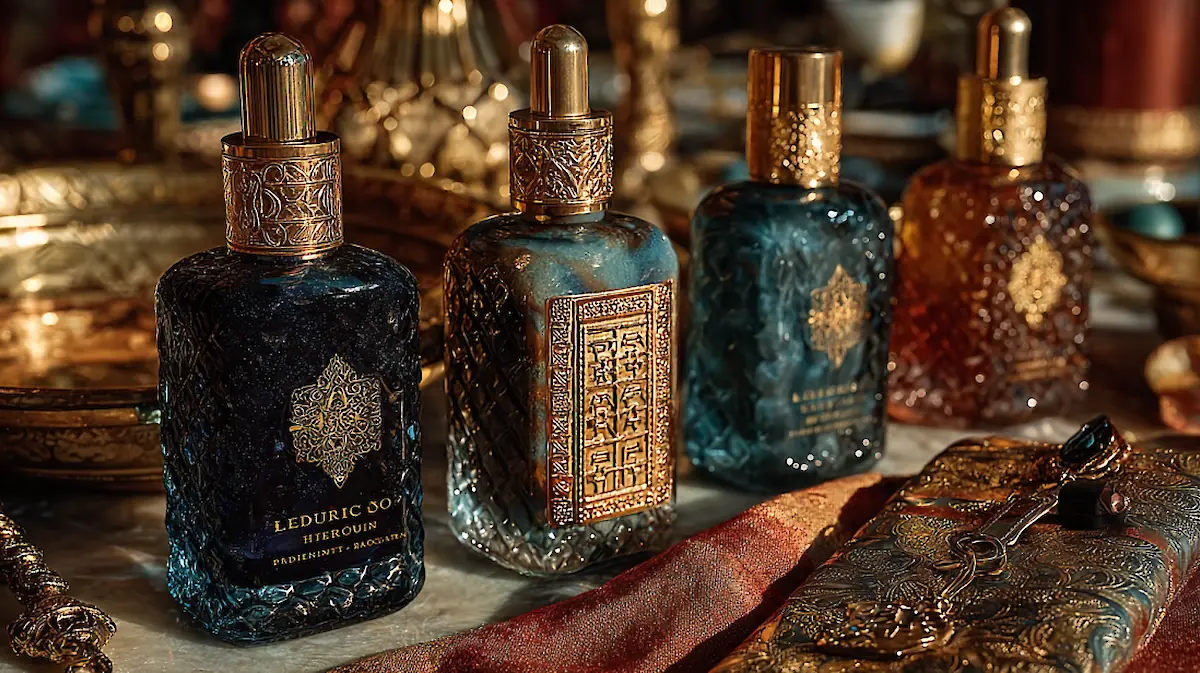
From smoky oud at ancient souks to exclusive bottles in the Dubai Mall-your guide to the perfume treasures of the East’s premier metropolis.
Dubai smells... It smells of scorching sand, spiced coffee with cardamom, the sweet smoke of a hookah, and, of course, perfume. Here, fragrance is not just a pleasant addition to an image—it is the image itself. It is a silent language spoken by everyone, from a sheikh in a snow-white dishdasha to a spice merchant in the old market. For travelers, perfume shopping in Dubai is a true adventure full of discoveries. But how do you avoid getting lost in this fragrant diversity, overpaying, and choose exactly what deserves your attention? This guide will be your reliable companion in the world of Arabic perfumery, helping you navigate brands and locations while teaching you all the subtleties of smart, value-driven shopping.
The basics of Arabic perfumery: What are oud, attars, and bukhoor?
Before you set out in search of your perfect perfume, let’s first understand the fundamentals. Arabic perfumery differs radically from European perfumery: at its core, it uses precious natural oils instead of alcohol, giving fragrances incredible depth, complexity, and longevity.

The three pillars that underpin the entire Middle Eastern perfume culture are oud, attars, and bakhoor.
- Oud (Oudh/Agarwood): The true “liquid gold” of the perfume world. This precious resin from the agarwood tree boasts a unique fragrance unlike any other: notes of leather, smoke, sweet wood, and something animalistic and primal can be detected within it. It is a scent of luxury, power, and mystery that may initially shock but ultimately captivate you forever.
- How to choose high-quality oud: Genuine oud oil is thick, dark, and viscous, with no hint of alcohol notes. High-quality oud chips are dense, heavy (they sink in water), and streaked with dark, resinous veins.
- Attars: Imagine this: not a drop of alcohol, just pure aromatic essence. Attars are “living” perfumes that don’t shout—they whisper on your skin, blending with its warmth to create a unique trail that belongs only to you.
- How to choose high-quality attars: Always apply the oil directly to the skin, not onto a blotter. This way, you can assess how the fragrance will unfold on your own skin and test its longevity, which, for a quality product, starts at 8 hours.
- Bakhoor: An aromatic blend made from chips of agarwood or sandalwood infused with essential oils. It is not just an air freshener but an entire ritual. It is burned in special bowls (mabharah) to scent the home and clothing, and its thick, fragrant smoke leaves a subtle, precious trail.
- How to choose high-quality bakhoor: Good bakhoor consists of dense, heavy pieces. When heated, it produces a thick, rich smoke and smolders slowly without an unpleasant burnt smell.
Brands worth paying attention to
The perfume market in the UAE is enormous, ranging from affordable brands to niche houses with centuries of history. Here are several trusted brands that make a great starting point for exploring the world of Arabic perfumery.
Insider tip: Many Arab brands create fragrances inspired by famous European niche perfumes. They offer their own Eastern interpretation, often with greater longevity and at a much more attractive price.
| Brand | Price segment | What it’s known for and what to try | Ideal for... |
|---|---|---|---|
| Lattafa | Affordable | Long-lasting, trail-forming fragrances. Hits: Khamrah, Asad. | Getting acquainted with modern Arabic perfumery without breaking the bank. |
| Rasasi | Mid-range | Excellent balance of price and quality, with a vast selection. Legendary: La Yuqawam. | Everyday use and finding your signature scent. |
| Ajmal | Mid-range / Premium | A brand with a rich history, focusing on natural ingredients and classic oud. Hit: Shadow Noir. | Purchasing a prestigious gift or for connoisseurs of classic Eastern compositions. |
| Swiss Arabian | Medium | Fragrances tailored to European tastes—soft yet with an oriental character. Hit: Shaghaf Oud. | For those seeking a delicate Orient and are not ready for heavy, oud-based compositions. |
Perfume shopping map: Malls, markets, and outlets
The place of purchase in Dubai determines everything: the price, the assortment, and the guarantee of authenticity. Let’s figure out where to go for fragrant souvenirs.
Mega-malls: a realm of comfort and guarantees
Stepping into the perfume department of The Dubai Mall or Mall of the Emirates is like stepping from a scorching desert into a cool oasis. Here, under the light of thousands of spotlights, in glittering galleries, you’ll find civilized, predictable, and impeccably comfortable shopping. No risks, pushy salespeople, or language barriers. Just you, the cool air of air conditioners, helpful consultants in starched shirts, and endless rows of bottles, each of which you can test.
- What awaits you: 100% authenticity guarantee, air conditioning, professional consultants, testers for all products, and the option to claim a Tax Free refund.
- What to keep in mind: Prices here are fixed; bargaining is not allowed. The assortment mainly consists of popular brand lines.
Key takeaway: The perfect place to buy branded perfumes if you value comfort, service, and don’t want to take any risks.
Traditional Markets (Souks): immersing yourself in the authentic East
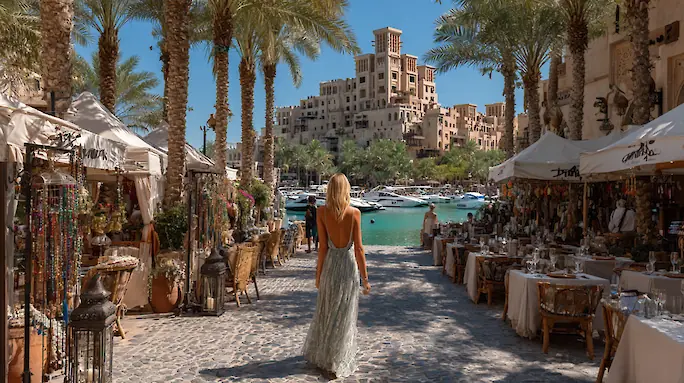
And now—welcome to the very heart of fragrant chaos, the Perfume Souk in Old Deira! Forget air conditioning and fixed prices. Here, you’ll find a labyrinth of narrow streets where the thick, spicy air seems almost tangible. In every shop, you’ll see mountains of bakhoor, rows of bottles filled with oils, and shopkeepers who will strike up a conversation with you in every language under the sun. Yes, here you can find genuine exclusives at ridiculously low prices.
- What awaits you: A unique atmosphere of an Arab bazaar, the chance to discover exclusive, non-chain fragrances, and the opportunity to purchase them at a very attractive price—if you know how to haggle.
- What to watch out for: Stay alert: this is a territory of high-stakes bargaining, where the persistence of vendors and the risk of encountering counterfeit products are just part of the game. Your main assets are attentiveness, confidence, and the ability to negotiate. Reliable landmarks include shops with a solid reputation, such as Ajmal Perfumes, Al Fakhr Perfumes, and Noor Al Ain Perfumery.
Beware of counterfeits!: The temptation is great in these markets, but so is the risk of purchasing low-quality goods. Rely only on shops with a good reputation and don’t hesitate to carefully inspect products before paying. If a price seems suspiciously low, that’s a clear warning sign.
Who is it for? Seasoned travelers seeking authentic oils and bakhoor who are ready for meticulous selection and spirited bargaining.
Outlets: is shopping always a bargain?
Outlets such as Dubai Outlet Mall and The Outlet Village may seem like a great way to save money, but when it comes to perfumes, this isn’t always the case. The selection here is quite limited. You’ll mainly find mass-market brands (Bath & Body Works, Revlon), perfume lines from luxury fashion houses (Coach, Michael Kors), or a stock outlet for the cosmetics chain Faces.
Our verdict: Is it worth heading to an outlet specifically for perfumes? Probably not. Think of local outlets as a pleasant bonus to your shopping for clothes and accessories. If you happen to stumble upon your favorite fragrance at a good discount, that’s great—but don’t turn it into a dedicated hunt, as you might be disappointed with the range on offer.
Comparative table: Where to go and what to look for?
| Feature | Mega Malls | Traditional Markets (Souks) | Outlets |
|---|---|---|---|
| Assortment | Branded perfumes, cosmetics | Attars, oils, bakhoor, spices | Leftover collections from brands |
| Prices | Fixed, high | Low, negotiable | Discounts of 30–70% |
| Quality Assurance | High | Low / absent | High |
| Experience | Comfortable, predictable shopping | Authentic adventure, requires skill | Focused hunt for discounts |
Shopping guide: How to plan your fragrant trip
Now that you know what and where to look for, let’s talk about how to make your shopping experience as profitable and enjoyable as possible.
The best time to shop: a calendar of sales
Plan your trip to coincide with one of Dubai’s major shopping festivals. During these periods, discounts can reach 75–90%!
- Dubai Shopping Festival (DSF): Takes place from December to January. This is the year’s main shopping event, featuring maximum discounts and prize draws.
- Dubai Summer Surprises (DSS): Held in July–August. Great discounts (25–75%) for those who aren’t afraid of the summer heat.
- Sales for Eid and White Friday: Short but generous sales (30–70%) ahead of Muslim holidays (Eid al-Fitr, Eid al-Adha) and on “White Friday” at the end of November.
Tax Free: how to get a portion of your money back on purchases
Don’t leave your money in Dubai! Getting a 5% VAT refund on purchases over AED 250 is easier than you might think. Here’s a step-by-step guide:
- In the store: When shopping at a store with the Planet Tax Free logo, present your passport and ask for a Tax Free receipt.
- At the airport (before check-in): Go to the Planet Tax Free counter. You’ll need your passport, boarding pass, receipts, and the goods themselves in their original, unopened packaging for validation.
- Receive your refund: After passing through customs, find the refund desk and receive your refund in cash or to your card. Keep in mind that a service fee will be deducted from the amount, so the actual refund will be around 3.5–4%.
Secrets to successful bargaining at the markets
Bargaining is appropriate only at markets (souks) and in non-chain shops, but here it’s a true art form.
- Do your research: Find out the approximate price of the item at several locations before starting negotiations.
- Start low: Politely offer a price that is 30–50% lower than what the seller has quoted.
- Buy in bulk: When purchasing multiple items from a single seller, feel free to ask for an additional discount.
- Pay in cash: Cash dirhams (AED) are your best bargaining chip for getting a lower price.
- Remember: Bargaining is a performance, not a battle. Your goal is not to “win” against the seller, but to reach a mutually agreeable deal. Smile, make light jokes, and compliment the item (“What an incredible hook! But unfortunately, my budget...”). Politeness, a good sense of humor, and showing respect are your most powerful tools—far more effective than a stern expression or a hardline stance. Useful phrases include: “Kam sayer?” (How much does it cost?) and “Best price?” (Last price?).
Money, time, and etiquette: important details
- Currency: The official currency is the UAE dirham (AED). For markets and small shops, you’ll need cash. The most favorable exchange rates are available at licensed exchange bureaus in malls (such as Al Ansari Exchange).
Tourist trap: Dynamic Currency Conversion (DCC): When paying by card, the terminal may offer to process the payment in your home currency. Always decline this option and choose to pay in the local currency (AED) to avoid extremely unfavorable exchange rates.
- Opening hours: Malls are typically open from 10:00 a.m. to 10:00–11:00 p.m. Markets operate with a break during the hottest hours (roughly from 10:00 to 13:00 and from 16:00 to 22:00). On Fridays, most establishments open after the midday prayer (around 14:00).
- Etiquette rules: In public places, including malls, it is recommended to cover your shoulders and knees. Do not photograph local residents (especially women) without their explicit permission.
Dubai Mall navigator: Your guide to the perfume paradise
Dubai Mall is a city within a city where it’s easy to get lost. To avoid wasting time, it’s best to have a plan.
Your route through the perfume giants:
- Department stores: Start with Bloomingdale's (Ground Floor, in the Fashion Avenue area) and Galeries Lafayette (Ground Floor, near the exit to the Dubai Fountain), which bring together hundreds of brands under one roof.
- Multi-brand stores: Be sure to visit the huge Sephora store (Level 1, near The Waterfall) and the luxurious Paris Gallery (Ground Floor, in the stylized Souk area).
- Boutiques: Single-brand stores such as Ajmal, Rasasi, Swiss Arabian, and other Arab and international brands are scattered throughout the mall.
Useful navigation tips:
- Download the "The Dubai Mall" app: It allows you to create routes to stores and keeps you informed about promotions.
- Use available services: The mall offers free Wi-Fi, luggage storage for purchases, and a paid hotel delivery service called Shop & Drop. To navigate the vast premises, you can use the free electric shuttles provided by the Mall Ride Service.
Your fragrant journey begins
Ultimately, perfume shopping in Dubai is not just about buying a bottle of perfume. It’s about taking home a piece of the city itself: its hot breath, its luxury, its mystery, and its centuries-old history encapsulated in a single drop of oil.
So here’s your formula for the perfect perfume-shopping experience:
- What to buy: Decide whether you’re more interested in authentic oils and oud or in modern branded perfumes.
- Where to buy: Choose malls for guaranteed quality and comfort, and markets for unforgettable experiences and the thrill of haggling.
- When to buy: Time your purchase during the grand Dubai Shopping Festival to take advantage of the biggest discounts.
- How to buy: Haggle at the markets, claim your Tax Free at the malls, and always pay by card in the local currency.
So dive boldly into this fragrant whirlpool. Explore, sample, haggle, and find that one scent that will become your personal anchor of memory, capable of bringing you back with a single whiff to the bustling streets of Deira or to the cool halls of Dubai Mall. Your true journey through the scents of the East is just beginning.













Comments